PasarNetral
Crypto trading joins wartime propaganda as “digital oil” called out amid volatile US-Iran ceasefire trading
Sumber: CryptoSlate
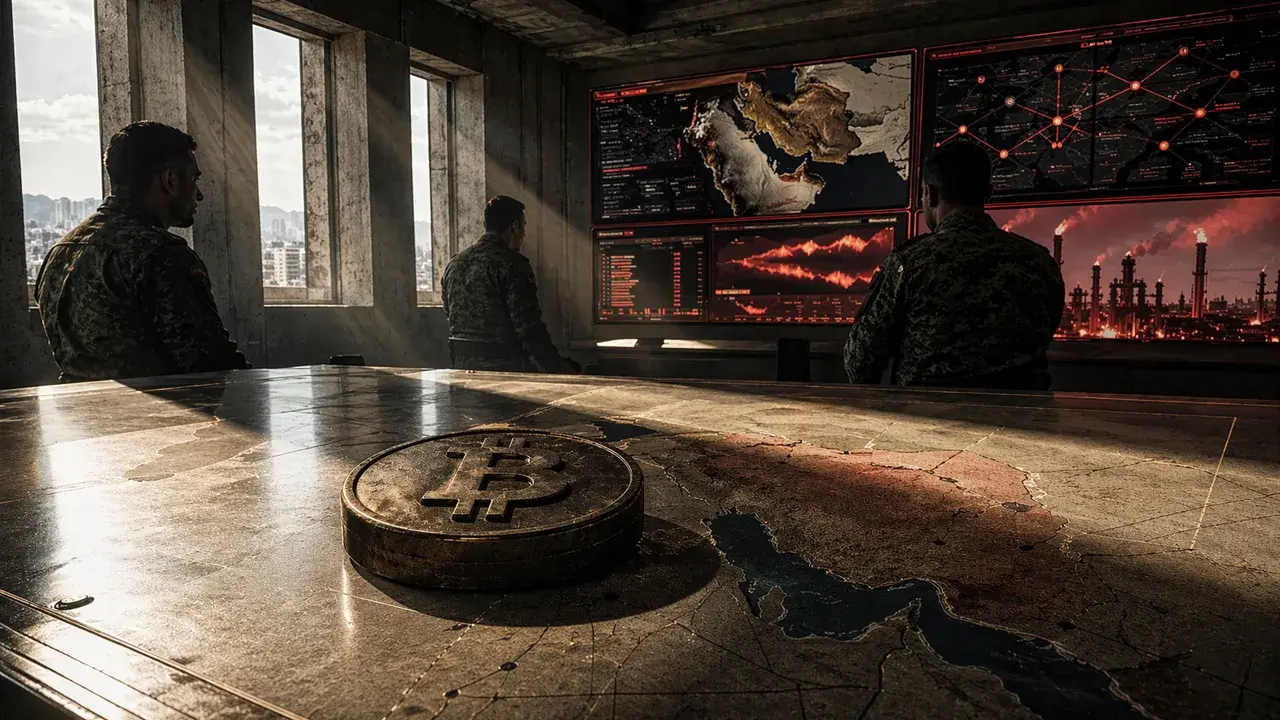
In a recent development, Tehran's parliament speaker Mohammad Bagher Ghalibaf has introduced the term "vibe-trading digital oil" while criticizing the ongoing volatility in the global markets amid heightened tensions between the US and Iran. His comments came during a critical moment centered around the Strait of Hormuz, a vital shipping route for oil. Ghalibaf's remarks seem to reflect Iran's perception of cryptocurrency trading as a potential competitor to traditional oil markets, particularly as geopolitical tensions continue to influence economic dynamics. This framing of crypto as "digital oil" highlights the increasing importance of cryptocurrencies in global trade and economic strategies.
To understand the significance of Ghalibaf's comments, we must consider the broader context of the US-Iran relationship and its implications for global markets. The Strait of Hormuz has long been a flashpoint in international relations, with any disruptions potentially leading to significant fluctuations in oil prices. In recent years, the rise of cryptocurrencies has posed new challenges to traditional financial systems, prompting governments to reassess their strategies in response. Ghalibaf's remarks appear to be an attempt to position Iran's economic stance not only in relation to oil but also to the emerging cryptocurrency landscape, which could offer alternative routes for trade and financing amidst sanctions and economic pressures.
This development matters for the market as it signals a potential shift in how cryptocurrencies are perceived by national governments, particularly in regions experiencing geopolitical instability. The idea of "digital oil" may resonate with investors and policymakers alike, underscoring the growing recognition of cryptocurrencies as legitimate assets that can influence global economic landscapes. Furthermore, as countries like Iran explore alternative financial instruments in response to sanctions, it could lead to increased adoption and innovation within the crypto space, affecting pricing and investment strategies.
Industry experts have reacted with interest to Ghalibaf's comments, viewing them as indicative of a larger trend where cryptocurrencies are increasingly woven into geopolitical discourse. Some analysts suggest that framing crypto as a form of "digital oil" could attract new investors who may see the asset class as a hedge against traditional market volatility. However, there are also concerns that such rhetoric could lead to increased regulatory scrutiny, as governments seek to control or influence the cryptocurrency markets to mitigate potential risks associated with their use in conflict zones.
Looking ahead, the potential for cryptocurrencies to be further integrated into national economic strategies could lead to more nuanced discussions around regulation and adoption. As countries navigate the complexities of international relations, we may see a rise in state-sponsored initiatives aimed at harnessing the benefits of digital currencies. This evolving landscape will require investors to stay informed about both geopolitical developments and the regulatory environment surrounding cryptocurrencies, as the implications for market dynamics could be profound.
CM
Tim CoinMagnetic
Investor kripto sejak 2017. Kami berinvestasi dengan uang sendiri dan menguji setiap exchange secara langsung.
Diperbarui: April 2026
Dari analisis kami:
Ingin mendapatkan berita lebih awal?
Ikuti saluran Telegram kami – kami memposting berita dan analisis terkini.
Ikuti saluran