PasarNaik
Community hits back at “dangerous” New York Times article revealing Satoshi is a known legendary Bitcoin developer
Sumber: CryptoSlate
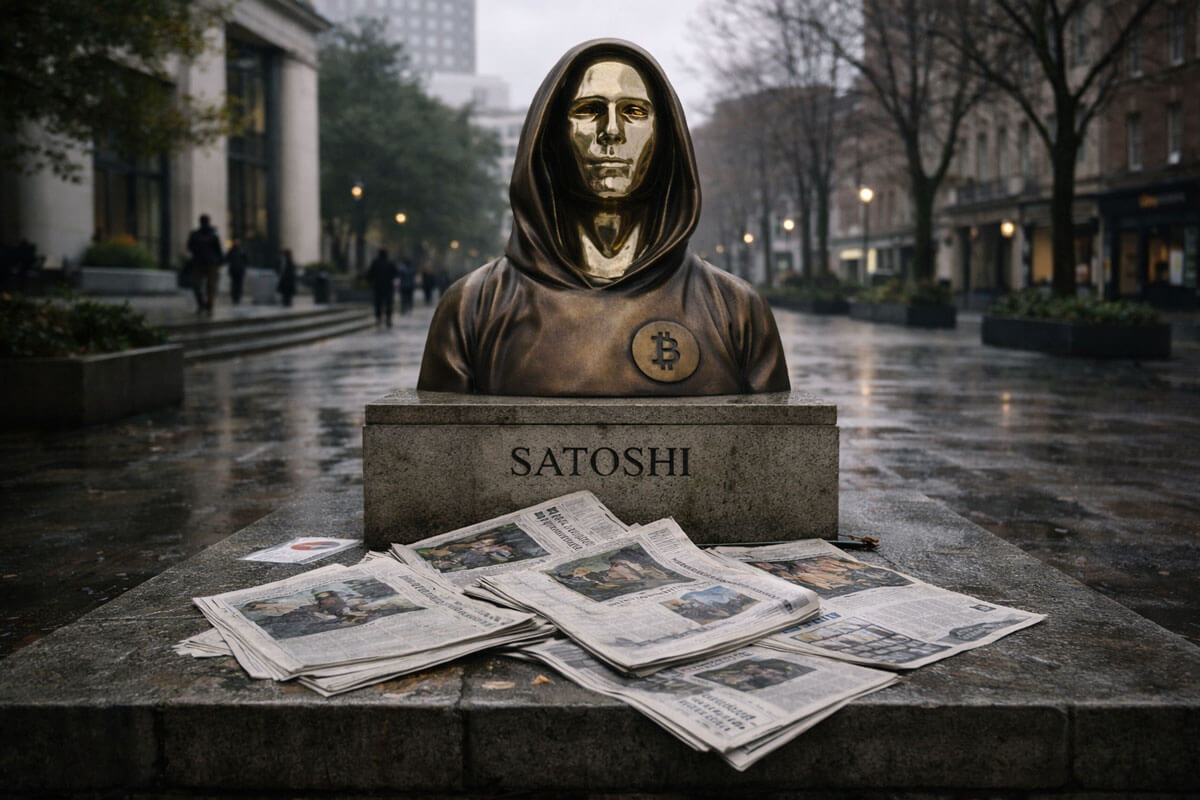
The recent article published by The New York Times has sparked significant controversy within the cryptocurrency community, as it posits that Adam Back, a prominent British cryptographer and co-founder of Blockstream, is the mysterious figure behind the Satoshi Nakamoto pseudonym. This assertion is largely based on stylometric analysis of various writings and historical online interactions that allegedly link Back to the early days of Bitcoin. Back has swiftly responded to the allegations, labeling the piece as “dangerous” and vehemently denying any connection to the creation of Bitcoin. The article has reignited the long-standing debate about the true identity of Satoshi Nakamoto, a topic that has captivated both enthusiasts and skeptics alike since Bitcoin's inception.
To understand the significance of this latest claim, it's essential to consider the historical context surrounding Nakamoto's identity. The Bitcoin whitepaper, released in 2008, introduced a revolutionary concept of decentralized digital currency, but its author has remained anonymous since then. Over the years, various individuals have been proposed as potential Satoshis, contributing to a narrative that oscillates between intrigue and frustration within the crypto community. Adam Back is a notable figure in the cryptocurrency space, having contributed to early discussions and developments around digital currencies, which makes him a prime candidate for speculation. However, previous attempts to definitively identify Nakamoto have often been met with skepticism and backlash from the community.
This latest claim from The New York Times matters for the market as it could influence public perception of Bitcoin and its foundational ethos of decentralization. If a single individual were to be identified as Satoshi, it could challenge the narrative that Bitcoin operates independently of any central authority. This potential shift could lead to greater scrutiny and regulation, as well as affect the trust that many investors place in Bitcoin's decentralized nature. Furthermore, the volatility of the cryptocurrency market could be impacted by the broader media coverage and public discourse surrounding this identity debate.
Industry reactions have been mixed, with many experts voicing their concerns regarding the implications of the article. Some have criticized the reliance on stylometric analysis, arguing that such methods are far from foolproof and can be easily misinterpreted. Additionally, several key figures in the cryptocurrency sector have rallied around Back, emphasizing the importance of protecting the anonymity of Satoshi Nakamoto. This reaction highlights a deep-seated belief among many in the community that the identity of Bitcoin's creator should remain a mystery, preserving the decentralized ethos that has been integral to its success.
Looking ahead, it will be interesting to observe how this debate evolves and whether it will lead to further investigations or discussions around the identity of Satoshi Nakamoto. As the community continues to grapple with these revelations, it may also prompt a reevaluation of how identity and anonymity play into the broader narrative of cryptocurrencies. The ramifications of this article could extend beyond just Back and Nakamoto, potentially affecting how Bitcoin is perceived by both mainstream media and the general public in the future.
CM
Tim CoinMagnetic
Investor kripto sejak 2017. Kami berinvestasi dengan uang sendiri dan menguji setiap exchange secara langsung.
Diperbarui: April 2026
Ingin mendapatkan berita lebih awal?
Ikuti saluran Telegram kami – kami memposting berita dan analisis terkini.
Ikuti saluran