RegulasiTurun
Banks seek to slow down implementation of crypto's GENIUS Act on stablecoin oversight
Sumber: CoinDesk
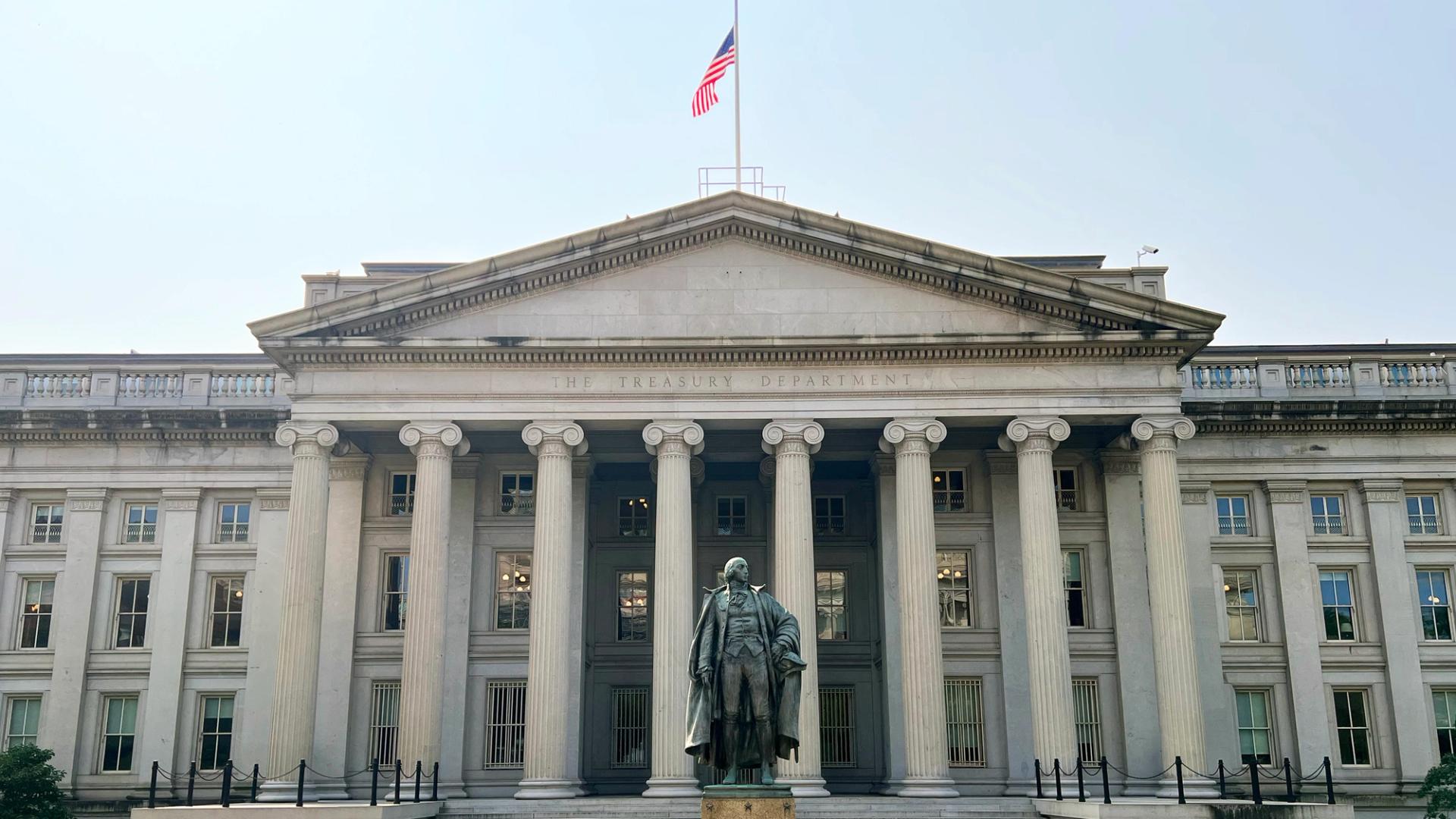
Recent reports indicate that U.S. banking groups are urging lawmakers to take a more measured approach to the implementation of the GENIUS Act, a piece of legislation aimed at establishing a comprehensive framework for stablecoin oversight. Industry representatives have expressed concerns that various federal agencies are rapidly advancing their own regulatory measures concerning stablecoins, which could lead to a patchwork of rules that complicate compliance and create uncertainty within the financial ecosystem. The banking groups argue that a coordinated effort is necessary to ensure clarity and consistency in how stablecoins are regulated across different jurisdictions.
The call for a slowdown comes in the wake of increasing scrutiny from regulators regarding the stability and security of stablecoins, which have surged in popularity as a means of facilitating transactions in the cryptocurrency market. The GENIUS Act aims to address these concerns by providing a clear regulatory framework that covers the issuance and management of stablecoins, ultimately aiming to safeguard consumers while fostering innovation in the space. However, the rapid pace of regulatory development has left many in the banking sector feeling overwhelmed and apprehensive about the implications for their businesses.
This situation is significant for the market, as the outcome of the GENIUS Act and its associated regulations could have far-reaching effects on the cryptocurrency landscape. If implemented hastily, the regulations could stifle innovation or create barriers to entry for new players in the stablecoin market. Conversely, a well-structured regulatory environment could encourage institutional involvement and bolster consumer confidence in digital assets. The banking groups’ push for a slower, more thoughtful approach underscores the delicate balance regulators must strike between fostering innovation and ensuring consumer protections.
Industry experts have weighed in on the matter, with many agreeing that while regulation is necessary, it should not come at the expense of technological advancement. Some argue that the swift movement of regulatory agencies could lead to unintended consequences, such as driving innovation overseas where regulations may be more favorable. Others express concern that a fragmented regulatory landscape could ultimately harm consumers, as they may find it challenging to navigate the various rules and requirements imposed by different agencies.
Looking ahead, the path for the GENIUS Act remains uncertain. As U.S. banking groups continue to advocate for a more coordinated regulatory approach, it will be essential for lawmakers and regulatory bodies to engage in constructive dialogue with industry stakeholders. This ongoing discussion could determine the future of stablecoin regulation and its impact on the broader cryptocurrency market, shaping the landscape for years to come. The evolving nature of these discussions highlights the importance of balancing regulatory oversight with the need to support innovation in an increasingly digital economy.
CM
Tim CoinMagnetic
Investor kripto sejak 2017. Kami berinvestasi dengan uang sendiri dan menguji setiap exchange secara langsung.
Diperbarui: April 2026
Dari analisis kami:
Ingin mendapatkan berita lebih awal?
Ikuti saluran Telegram kami – kami memposting berita dan analisis terkini.
Ikuti saluran