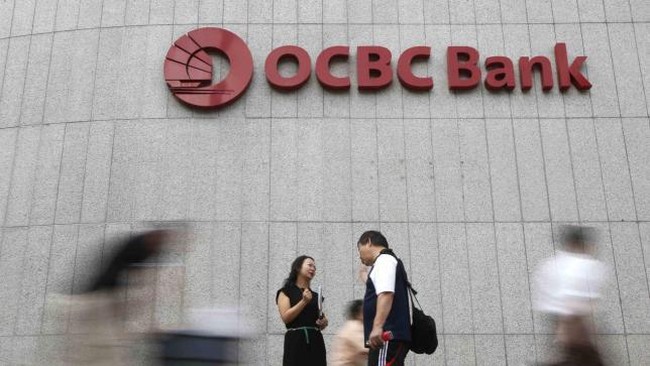
A recent report from S&P Global highlights a cautious approach among U.S. banks regarding stablecoins, despite the overall growth and popularity of these digital assets. The report indicates that most lenders are adopting a "wait-and-see" strategy, largely due to concerns over deposit risks, evolving regulatory frameworks, and increasing competition from both traditional financial institutions and emerging fintech companies. The evolving landscape has led banks to reevaluate their strategies surrounding stablecoins, often choosing to take a step back rather than dive headfirst into a rapidly changing market.
The context surrounding this cautious stance stems from the volatile nature of the cryptocurrency market and the unique challenges that stablecoins present. Stablecoins, designed to maintain a stable value against traditional currencies, have gained traction as a bridge between fiat and digital assets. However, the lack of clear regulatory guidelines and the potential for bank runs in the event of a market downturn pose significant risks for banks. Moreover, recent events in the crypto world have highlighted the fragility of some stablecoin models, prompting banks to reassess their involvement in this sector.
This cautious approach has important implications for the broader cryptocurrency market. As banks hesitate to fully engage with stablecoins, the growth potential of this sector may be stunted, impacting liquidity and adoption rates. Institutional participation is crucial for the maturation of the cryptocurrency ecosystem, and banks play a vital role in fostering trust and stability. The hesitation to embrace stablecoins may also prevent banks from capitalizing on new revenue opportunities and innovative financial products that utilize these digital assets.
Industry experts have weighed in on the report, underscoring the need for clearer regulatory guidelines to alleviate banks' concerns. Many argue that a well-defined regulatory framework could encourage banks to explore stablecoin offerings more actively, fostering innovation while ensuring consumer protection. Some financial analysts suggest that as the regulatory landscape evolves, banks may become more comfortable integrating stablecoins into their operations, which could ultimately lead to greater market stability and increased confidence from consumers.
Looking ahead, the trajectory of stablecoins and their acceptance by traditional banks remains uncertain. Should regulatory bodies provide clearer guidelines and frameworks, we may see a shift in banks' attitudes toward stablecoins. In the meantime, banks are likely to continue monitoring the market closely, assessing risks, and adjusting their strategies as necessary. The future of stablecoins will depend not only on market dynamics but also on how regulators respond to the challenges and opportunities presented by this burgeoning segment of the financial landscape.
Tim CoinMagnetic
Investor kripto sejak 2017. Kami berinvestasi dengan uang sendiri dan menguji setiap exchange secara langsung.
Diperbarui: April 2026
Ingin mendapatkan berita lebih awal?
Ikuti saluran Telegram kami – kami memposting berita dan analisis terkini.
Ikuti saluran