PasarTurun
Bank of Korea calls for stock-style circuit breakers on BTC exchanges
Sumber: CoinDesk

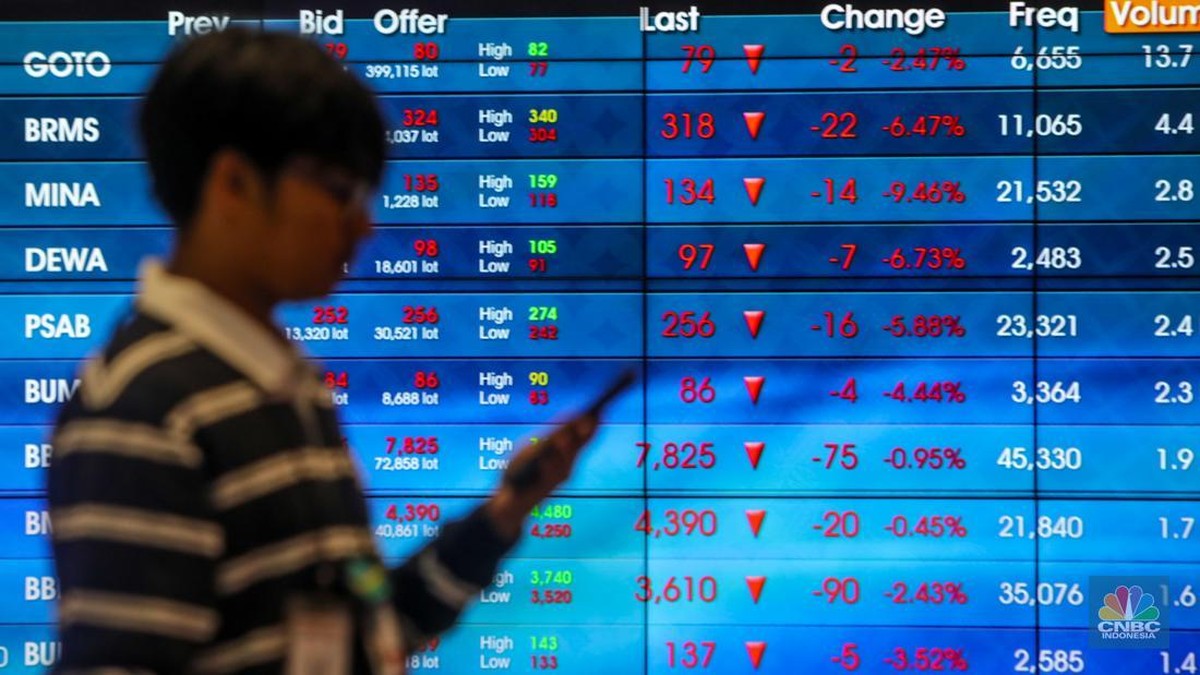
The Bank of Korea has recently proposed the implementation of stock-style circuit breakers on cryptocurrency exchanges, specifically targeting Bitcoin (BTC) trading. This initiative aims to regulate extreme market fluctuations and protect investors from significant losses during periods of intense volatility. The proposal suggests that exchanges should halt trading for a specific period if the price of Bitcoin experiences drastic changes within a short timeframe. By drawing parallels with traditional stock markets, where circuit breakers are employed to maintain orderly trading, the Bank of Korea seeks to introduce a semblance of stability to the tumultuous crypto markets.
The backdrop to this proposal is the increasing concern over the unregulated nature of cryptocurrency trading, which operates 24/7 across a myriad of exchanges worldwide. Unlike traditional stock markets, which have set trading hours and regulatory oversight, crypto markets can experience wild price swings at any time, often exacerbated by market sentiment, news cycles, and speculative trading. This lack of regulation has led to calls for a more structured approach to trading, particularly as institutional investors begin to enter the space and demand greater protections for their investments.
The implications of such a regulation could be significant for the cryptocurrency market. Introducing circuit breakers could help to stabilize trading environments, potentially increasing investor confidence and attracting more institutional capital. On the flip side, there are concerns that these measures could reduce market liquidity and lead to increased price manipulation, as traders may exploit circuit breakers to their advantage. As the crypto market continues to evolve, balancing regulation with the need for a free and open trading environment remains a critical challenge for regulators and industry participants alike.
Industry experts have responded with mixed opinions regarding the Bank of Korea's proposal. Some believe that circuit breakers could serve as a beneficial tool, reducing panic selling and creating a more orderly trading environment. Others argue that implementing such measures could stifle innovation and limit the inherent advantages of the crypto market, which thrives on its decentralized and unrestricted nature. The debate highlights the ongoing struggle between regulation and market freedom, as stakeholders grapple with how best to protect investors while fostering growth and innovation within the industry.
Looking ahead, the feasibility and potential adoption of circuit breakers in the crypto market remain uncertain. While the Bank of Korea's initiative may inspire similar proposals in other jurisdictions, it will ultimately depend on how regulators, exchanges, and market participants respond to the evolving landscape. As discussions surrounding regulation continue to unfold, the crypto community will be watching closely to gauge the potential impact of such measures on market dynamics and investor behavior.
Tim CoinMagnetic
Investor kripto sejak 2017. Kami berinvestasi dengan uang sendiri dan menguji setiap exchange secara langsung.
Diperbarui: April 2026
Ingin mendapatkan berita lebih awal?
Ikuti saluran Telegram kami – kami memposting berita dan analisis terkini.
Ikuti saluran