TeknologiNetral
Adam Back Pushes for Optional Upgrades to Quantum-Proof Bitcoin
Sumber: Decrypt
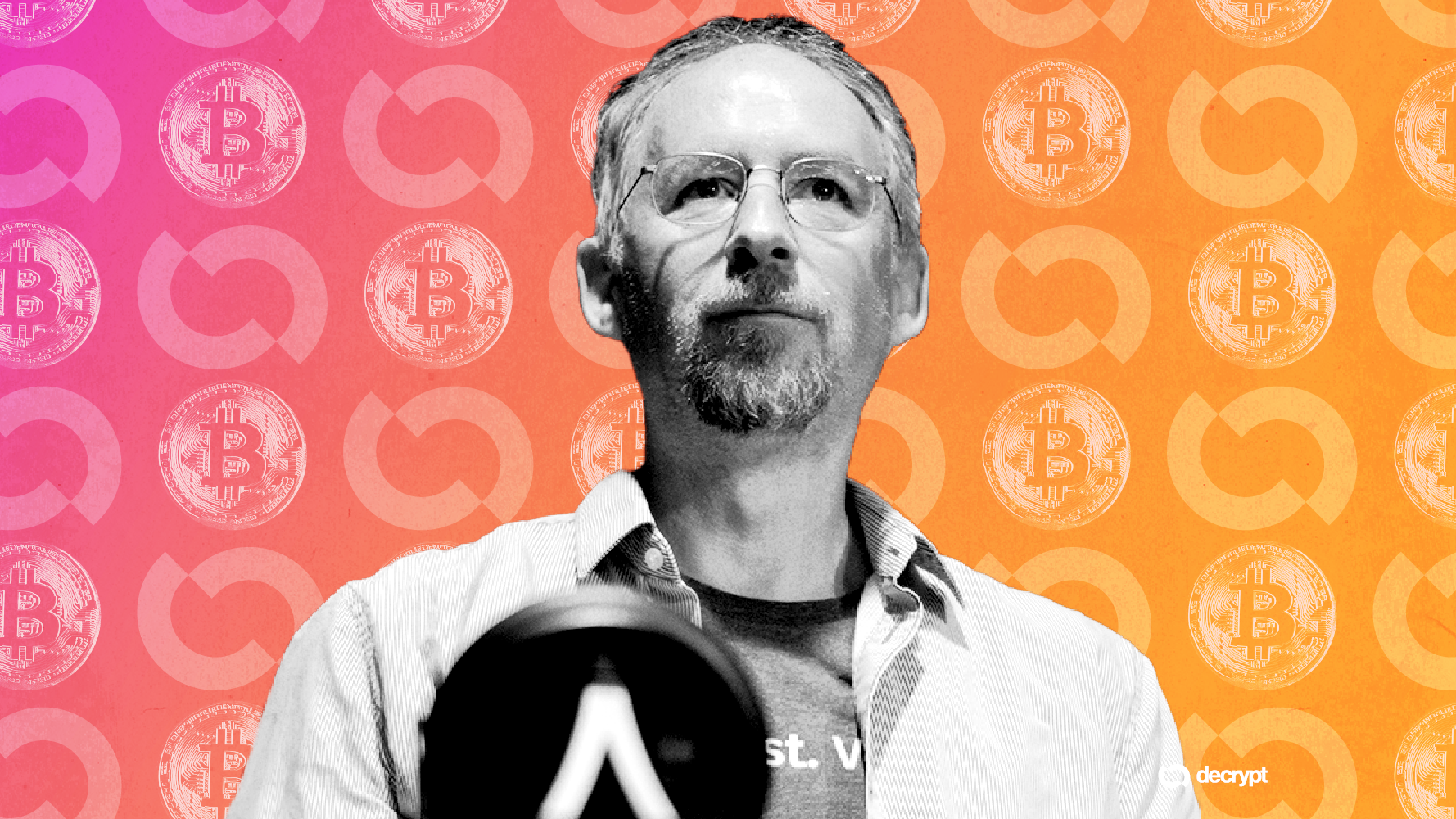
Adam Back, the CEO of Blockstream, recently advocated for optional upgrades to enhance Bitcoin's resilience against potential quantum computing threats. His perspective stands in stark contrast to the approach outlined in BIP-361, which proposes mandatory freezing mechanisms for Bitcoin that could potentially be vulnerable to quantum attacks. Back's suggestion aims to allow users to opt into quantum-proof features rather than enforcing a one-size-fits-all solution, which he argues could lead to unintended consequences for the network and its user base.
To understand the significance of this discussion, we must first acknowledge the looming threat posed by quantum computing. While practical quantum computers capable of breaking current cryptographic standards are not yet available, experts agree that their development is progressing rapidly. BIP-361, which seeks to introduce mandatory freezes, is a response to this concern, aiming to protect Bitcoin's integrity against future vulnerabilities. However, Back's optional approach emphasizes the importance of user choice and the potential risks associated with prematurely implementing sweeping changes to the Bitcoin protocol.
This debate carries considerable weight for the cryptocurrency market, as it reflects broader tensions between innovation and security. Users and investors are increasingly concerned about the future viability of their assets in the face of advancing technology. Back's optional upgrades may appeal to those who value flexibility and the ability to adapt to changes at their own pace. Conversely, proponents of BIP-361 may argue that a proactive, unified approach is necessary to safeguard the network's long-term health. How this debate unfolds could significantly influence market sentiment and investment strategies surrounding Bitcoin.
Industry reactions to Back's proposal have been mixed. Some experts applaud his emphasis on user autonomy, suggesting that allowing individuals to choose their level of risk could foster a more robust ecosystem. Others have raised concerns that optional upgrades may lead to fragmentation within the network, creating different classes of users and potentially undermining Bitcoin's core principles of accessibility and security. The discussion illustrates the ongoing struggle within the cryptocurrency community to balance forward-thinking innovation with the need for a secure and stable financial system.
Looking ahead, the conversation surrounding quantum-proofing Bitcoin is likely to intensify as technological advancements continue to emerge. As the community grapples with the implications of these upgrades, we can expect further proposals and discussions to arise. Back's optional approach may spark new dialogues about the future of Bitcoin, ultimately shaping the protocol's evolution in the face of an uncertain technological landscape. The decisions made in the coming months could have lasting implications for Bitcoin's resilience and its position in the broader cryptocurrency market.
CM
Tim CoinMagnetic
Investor kripto sejak 2017. Kami berinvestasi dengan uang sendiri dan menguji setiap exchange secara langsung.
Diperbarui: April 2026
Dari analisis kami:
Ingin mendapatkan berita lebih awal?
Ikuti saluran Telegram kami – kami memposting berita dan analisis terkini.
Ikuti saluran