MercadoNeutral
Would Satoshi say? Director of the FBI appears at Bitcoin 2026 – Victory or capture?
Fuente: CryptoSlate
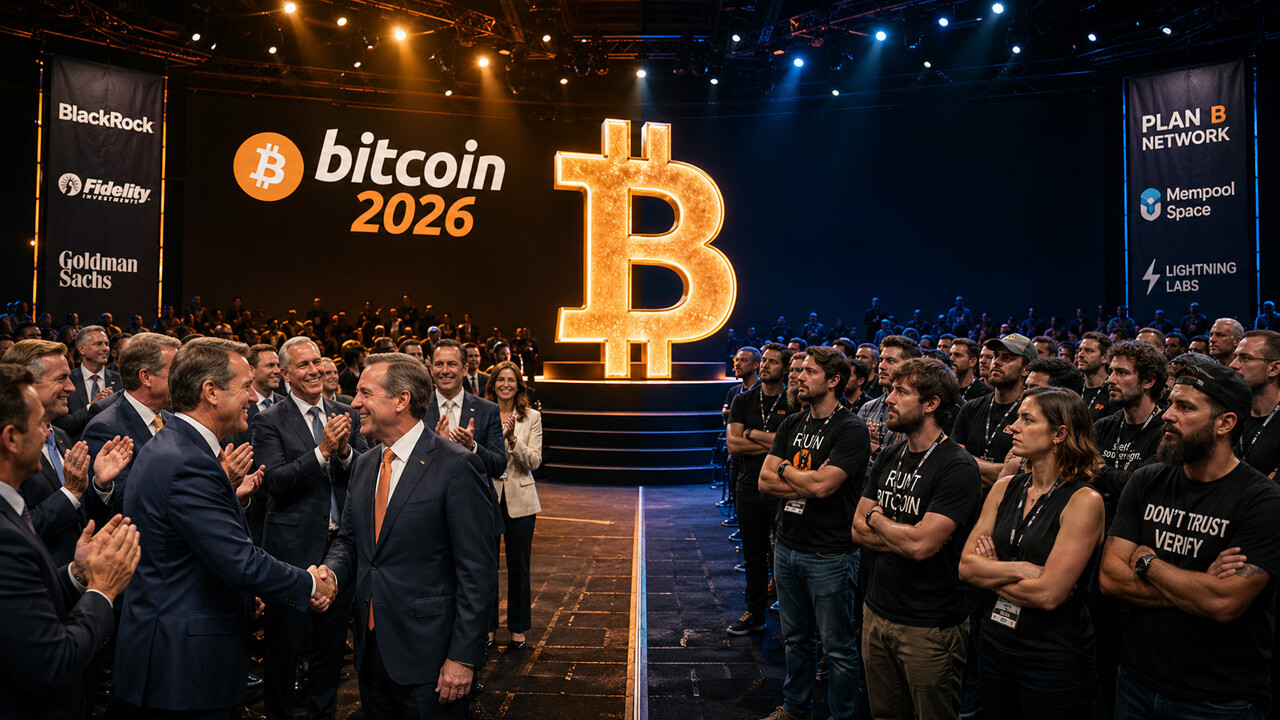
Bitcoin 2026 commenced at The Venetian on April 27, featuring a notable appearance by the Director of the FBI, Christopher Wray. His participation in the conference was centered around a session titled "Code is Free Speech: Ending the War on Bitcoin." This session transformed a typical conference slot into a compelling forum for discussing the political ramifications surrounding Bitcoin, as it juxtaposed the ideals of decentralization with the realities of law enforcement's approach to cryptocurrency. Attendees were keen to see how the themes of freedom and regulation would play out in a space that remains deeply intertwined with issues of privacy, security, and innovation.
To understand the significance of Wray’s appearance, it's essential to consider the historical context surrounding Bitcoin and regulatory scrutiny from law enforcement agencies. Since its inception, Bitcoin has been both celebrated for its potential to empower individuals and criticized for its use in illicit activities. The ongoing tension between advocates for cryptocurrency's revolutionary promise and regulators seeking to impose frameworks has been a defining characteristic of the industry. The FBI's increasing involvement in discussions about cryptocurrency, especially in a prominent conference like Bitcoin 2026, signals a shift in how authorities engage with and perceive digital currencies.
The implications of this intersection between Bitcoin advocacy and law enforcement are profound for the market. Many in the cryptocurrency community view the integration of regulatory perspectives as a necessary step toward broader acceptance and legitimacy. However, the presence of the FBI's Director also raises concerns about potential overreach and the implications for privacy and freedom of expression within the blockchain space. As the market navigates these complexities, the outcome of such discussions could influence investor sentiment and regulatory developments in the coming years.
Industry reactions to Wray's presence have been mixed. Some experts argue that dialogue between regulators and the crypto community is essential for fostering a balanced approach that encourages innovation while addressing legitimate concerns. Others raise alarms about the potential for a chilling effect on development and dissent within the crypto space, suggesting that the very essence of Bitcoin's decentralized ethos may be threatened by increased oversight. The diverse opinions reflect a community grappling with the duality of wanting legitimacy while resisting undue control.
Looking ahead, the presence of high-profile figures like the FBI Director at Bitcoin 2026 may signal a trend where regulatory discussions become more mainstream within the cryptocurrency narrative. As the industry continues to evolve, the outcomes of these conversations could shape the regulatory landscape, influencing everything from compliance requirements to the development of new technologies. The ongoing dialogue will be critical in determining whether the future of Bitcoin aligns more closely with Satoshi's original vision or if it becomes increasingly subject to the frameworks of traditional governance.

En nuestro analisis:
¿Quieres enterarte de las noticias primero?
Síguenos en nuestro canal de Telegram – publicamos noticias importantes y análisis.
Seguir el canal