DeFiNeutral
WLFI proposes unlock plan for 62 billion tokens with long lockups and burns
Fuente: Cointelegraph

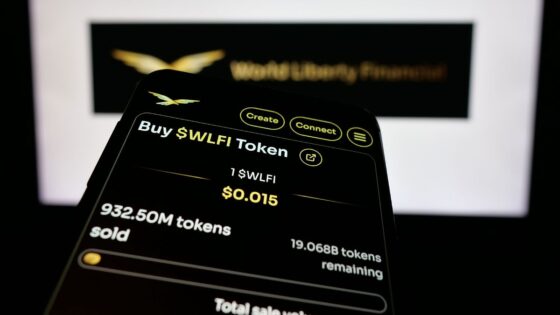
WLFI, a decentralized finance platform associated with Donald Trump, has recently proposed a comprehensive plan to unlock 62 billion tokens, which had previously been subject to significant delays in liquidity access. The new proposal outlines a strategic approach involving multi-year lockups to ensure the stability of the token’s value, alongside an opt-in token burn mechanism aimed at reducing the overall supply. This initiative comes in response to mounting pressure from investors and the broader community, who have been critical of the lack of liquidity and transparency surrounding the project.
To understand the implications of this proposal, it’s important to consider the context in which WLFI operates. Launched amid a surge of interest in DeFi platforms, WLFI has faced scrutiny over its governance and tokenomics, especially given its ties to high-profile figures. The initial enthusiasm surrounding the project has waned as stakeholders expressed concerns about the delayed access to their assets. By proposing a structured unlock plan with built-in safeguards, WLFI aims to regain trust and demonstrate a commitment to responsible token management.
This move could significantly impact the market for WLFI tokens, as long lockup periods may stabilize price fluctuations in the short term, reassuring investors who have been wary of volatile conditions. Additionally, the opt-in token burn feature could create a deflationary effect, potentially increasing the value of remaining tokens over time. Investors will likely be watching closely to see how these measures affect market sentiment and trading activity, as the platform attempts to navigate the challenges of maintaining liquidity while also fostering investor confidence.
Industry reactions have been mixed, with some experts applauding the proactive measures taken by WLFI, while others remain skeptical about the effectiveness of long lockups and token burns. Supporters argue that these strategies can foster a more stable environment for investors, while detractors question whether such mechanisms can genuinely address the underlying issues of liquidity and governance that have plagued the project. The diverse opinions highlight the complexities and varying perspectives within the DeFi space, especially for projects that carry significant reputational risks.
Looking ahead, WLFI's success will largely depend on the execution of this unlock plan and the community's response to the proposed changes. If the platform can effectively implement the multi-year lockups and manage the token burn process, it might pave the way for a more resilient market position. However, continued scrutiny from investors and analysts will persist, with many eager to see how WLFI balances the need for liquidity with the long-term vision of its governance model. The coming months will be critical for the platform as it seeks to rebuild trust and establish a solid foundation for future growth.
CM
Equipo CoinMagnetic
Inversores en cripto desde 2017. Operamos con nuestro propio dinero y probamos cada exchange personalmente.
Actualizado: abril de 2026
En nuestro analisis:
¿Quieres enterarte de las noticias primero?
Síguenos en nuestro canal de Telegram – publicamos noticias importantes y análisis.
Seguir el canal