InstitucionalNeutral
Were tariff refunds bought for 20 cents on the dollar by stablecoin-backed Treasurys custodian Cantor Fitzgerald?
Fuente: CryptoSlate
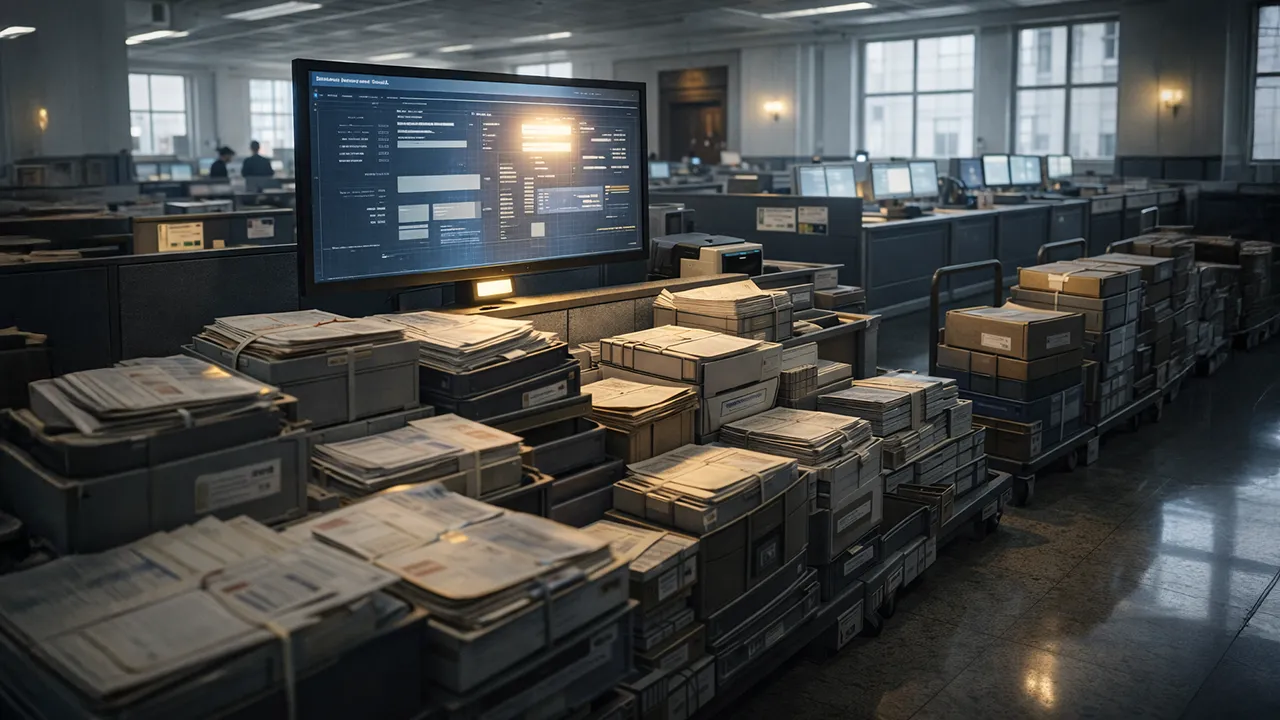
Recent reports have emerged suggesting that Cantor Fitzgerald, a prominent financial services firm, has been acquiring tariff refunds for a fraction of their value–specifically at around 20 cents on the dollar–through stablecoin-backed Treasurys. This practice comes in the wake of the U.S. Customs and Border Protection (CBP) launching its CAPE refund portal, which streamlined the process for importers to claim refunds on tariffs. As of April 9, nearly 57,000 importers have registered for electronic refunds, totaling a staggering $127 billion. This figure represents a significant portion of the anticipated $166 billion the government expects to return following a Supreme Court ruling earlier this year.
To fully understand the implications of this development, it is essential to grasp the context surrounding tariff refunds. The Supreme Court's ruling in February allowed importers to reclaim tariffs that had been paid on goods, prompting a rush to register for refunds. The creation of the CAPE portal facilitated this process, allowing importers to file claims electronically. This influx of claims has led to a burgeoning market for tariff refunds, wherein firms like Cantor Fitzgerald are now positioning themselves to capitalize on the potential windfall. By purchasing these claims at a steep discount, they are betting on the government’s eventual payout, which they can leverage for substantial gains.
The significance of this practice for the broader market cannot be overstated. It indicates a growing intersection between traditional finance and the crypto space, as stablecoin-backed instruments provide a new mechanism for liquidity and risk management. If firms can successfully navigate this emerging market, it may lead to increased participation from institutional players who are looking for innovative ways to manage their capital. Moreover, the fact that tariff claims can be treated as a financial asset opens up new avenues for investment and speculation, potentially reshaping how we think about trade finance.
Industry experts have begun to weigh in on the implications of Cantor Fitzgerald's actions. Some see this as a savvy move, highlighting the firm's ability to leverage its financial acumen in a market that is still in its infancy. Others, however, caution against the risks involved, particularly the uncertainty surrounding the timing and reliability of the government’s payouts. The dual nature of this opportunity–both a chance for profit and a potential minefield–has sparked a lively debate about the future of tariff refund trading and its impact on the broader financial landscape.
Looking ahead, the next steps will likely involve closer scrutiny from regulators as the market for tariff refunds continues to evolve. As more firms enter this space and the mechanisms for claiming refunds become more sophisticated, we may see a push for clearer guidelines on how these transactions should be handled. Additionally, the success or failure of Cantor Fitzgerald's strategy could set a precedent for others in the industry, shaping the trajectory of how tariff refunds are viewed as an asset class in the years to come. The ongoing developments in this area will be important to monitor, as they may signal broader trends at the intersection of traditional finance and the rapidly evolving world of digital assets.
CM
Equipo CoinMagnetic
Inversores en cripto desde 2017. Operamos con nuestro propio dinero y probamos cada exchange personalmente.
Actualizado: abril de 2026
En nuestro analisis:
¿Quieres enterarte de las noticias primero?
Síguenos en nuestro canal de Telegram – publicamos noticias importantes y análisis.
Seguir el canal