MercadoNeutral
US Treasury unveils proposed stablecoin rules targeting money laundering, sanctions
Fuente: The Block
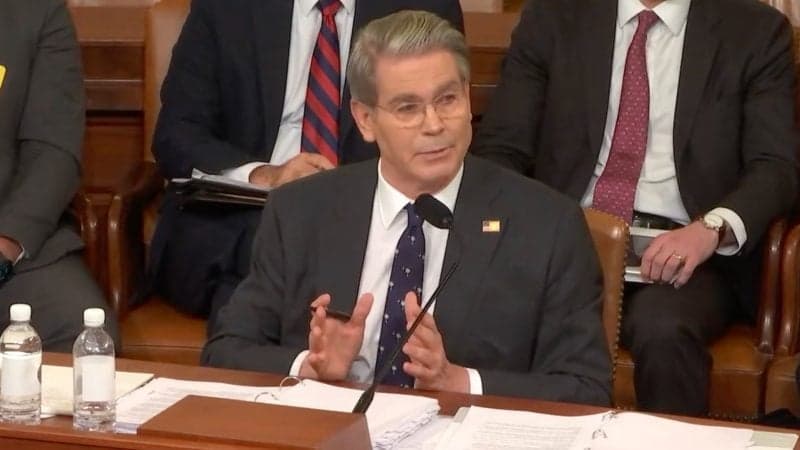
The U.S. Treasury Department has recently unveiled a proposed set of regulations aimed at stablecoin issuers, focusing primarily on combating money laundering and ensuring compliance with sanctions. This initiative is spearheaded by the Treasury’s Office of Foreign Assets Control (OFAC) and the Financial Crimes Enforcement Network (FinCEN). The proposed rules outline stringent requirements for stablecoin issuers, including rigorous customer verification processes and the need to report suspicious activities. The goal is to mitigate risks associated with the use of stablecoins in illicit activities, an area of growing concern for regulators.
To understand the significance of this proposal, we must consider the evolving landscape of digital currencies. Stablecoins have gained considerable traction in the financial ecosystem, with their value pegged to traditional currencies like the U.S. dollar. Their popularity stems from their ability to facilitate quick and cheap transactions. However, the rapid growth of this sector has raised alarms among regulators, particularly regarding potential misuse for money laundering and the circumvention of economic sanctions. This proposed regulation reflects the U.S. government's increasing determination to address these vulnerabilities while promoting the responsible use of digital assets.
The implications of this regulatory proposal could be profound for the stablecoin market. By enforcing stricter compliance measures, the Treasury aims to ensure that issuers are held accountable for their operations, potentially driving some smaller players out of the market. Conversely, larger and more established firms may benefit from clearer guidelines, allowing them to operate with more certainty and potentially instilling greater confidence among investors. As the market adapts to these changes, we could see a shift in the competitive landscape, with companies that prioritize compliance becoming more attractive to users.
Industry reactions to the proposed regulations have been mixed. Some experts welcome the move, arguing that clear regulations are essential for the legitimacy and stability of the stablecoin market. They believe that effective oversight can help prevent fraud and protect consumers. However, others express concern that overly burdensome regulations could stifle innovation and limit the advantages that stablecoins can offer over traditional financial systems. The balance between regulation and innovation will be a key topic of discussion as the industry navigates this new regulatory environment.
Looking ahead, the Treasury’s proposal is likely to set the stage for ongoing discussions among lawmakers, regulators, and industry stakeholders. Public feedback on the proposed rules will be crucial, as it will provide insights into how the proposals might impact the market and the broader financial landscape. As we move forward, we can expect to see further clarifications and potential adjustments to the rules, influenced by both industry input and the evolving dynamics of the crypto space.
Equipo CoinMagnetic
Inversores en cripto desde 2017. Operamos con nuestro propio dinero y probamos cada exchange personalmente.
Actualizado: abril de 2026
¿Quieres enterarte de las noticias primero?
Síguenos en nuestro canal de Telegram – publicamos noticias importantes y análisis.
Seguir el canal