RegulaciónAlcista
UK police raids on people trading crypto for cash raises a hard question about financial freedom
Fuente: CryptoSlate
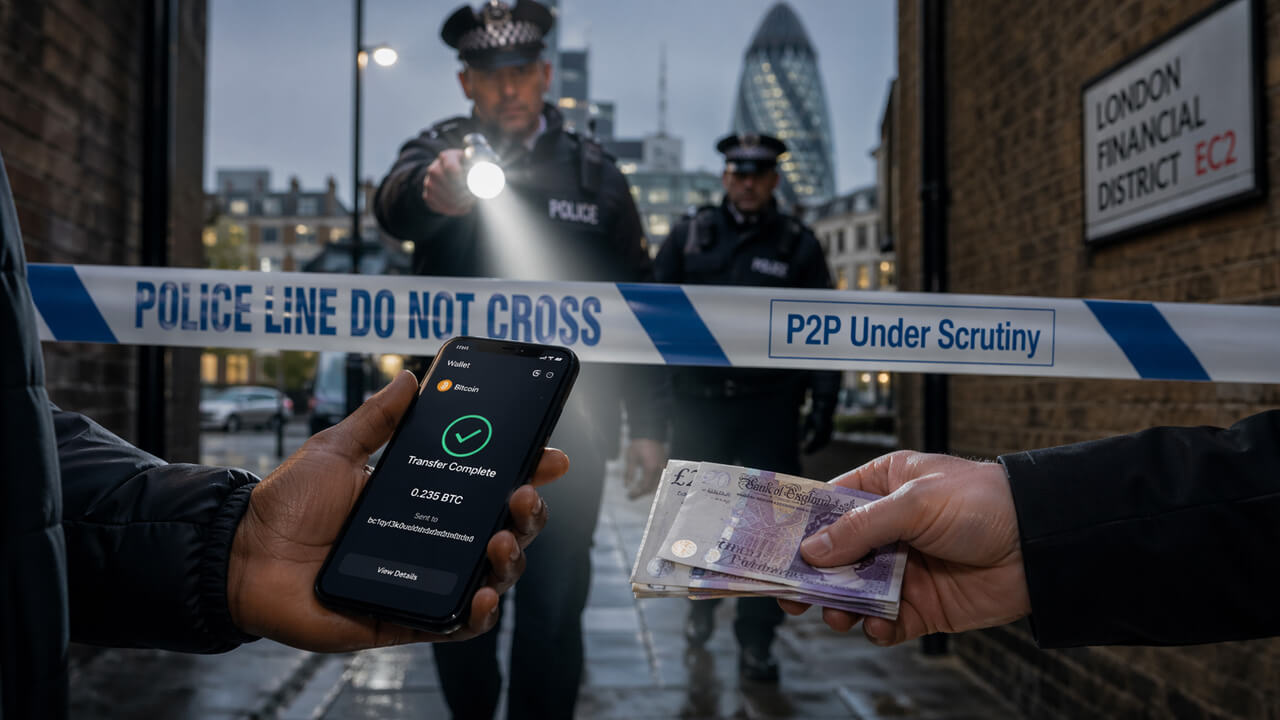
Recently, UK authorities executed a series of coordinated raids targeting individuals suspected of engaging in illegal peer-to-peer cryptocurrency trading. This marked the first significant action of its kind, with the Financial Conduct Authority (FCA) collaborating with police and tax officials to crack down on what they deem unregulated trading activities. The operations aimed to highlight that once individuals begin to treat cryptocurrency trading as a business, they must adhere to the same regulations and accountability standards as traditional financial institutions. The message is clear: the state is keen on enforcing compliance and ensuring that all financial activities are documented and transparent.
This crackdown comes in the context of ongoing discussions about the regulatory landscape surrounding cryptocurrency in the UK. As the popularity of digital currencies has surged, so too have concerns regarding illicit activities, including money laundering and tax evasion. The FCA has been vocal about the need for regulation in the crypto space, emphasizing consumer protection and financial integrity. The rise of peer-to-peer trading platforms has made it easier for individuals to transact in cryptocurrencies without the oversight of traditional financial institutions, raising alarms for regulators who worry about the potential for abuse.
The implications of these raids are significant for the cryptocurrency market. They signal a shift toward greater regulatory scrutiny, particularly in jurisdictions where crypto trading is becoming increasingly mainstream. For traders and investors, this could mean an increased risk of legal repercussions if they fail to comply with regulations. Moreover, the message sent by the authorities may deter some individuals from engaging in peer-to-peer trading, potentially stifling innovation within the crypto space. The balance between fostering a vibrant crypto ecosystem and ensuring regulatory compliance is becoming more precarious.
Industry reactions have been mixed, with some experts expressing support for the need for regulation while others voice concerns about the potential overreach of authorities. Many in the crypto community argue that such raids could undermine the fundamental principle of decentralization that cryptocurrencies embody. They caution that excessive regulation may drive trading underground, making it even harder to regulate and monitor illicit activities. Others, however, contend that a regulated environment can lead to greater legitimacy for the crypto market, attracting institutional investors and fostering long-term growth.
Looking ahead, it remains to be seen how these developments will shape the future of cryptocurrency trading in the UK. As authorities continue to tighten their grip on the sector, traders may need to adapt to an evolving regulatory landscape. The FCA's ongoing efforts to establish a clear framework for crypto activities will likely be a focus in the coming months. Stakeholders within the industry will be watching closely, as the outcome of these regulatory changes will have lasting effects on how cryptocurrencies are perceived and utilized in the financial ecosystem.
CM
Equipo CoinMagnetic
Inversores en cripto desde 2017. Operamos con nuestro propio dinero y probamos cada exchange personalmente.
Actualizado: abril de 2026
En nuestro analisis:
¿Quieres enterarte de las noticias primero?
Síguenos en nuestro canal de Telegram – publicamos noticias importantes y análisis.
Seguir el canal