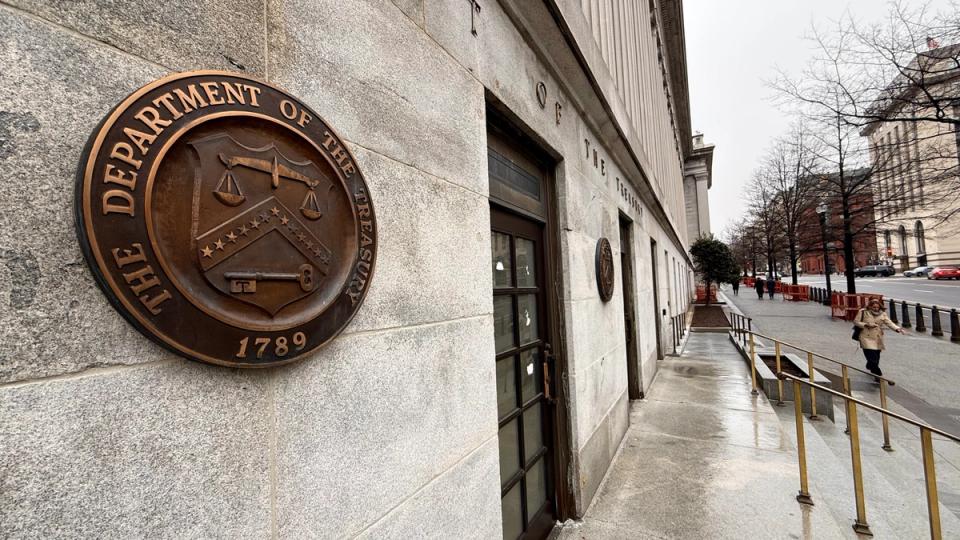
The U.S. Treasury has recently proposed new regulations that would require stablecoin issuers to adopt stringent measures aimed at preventing illicit activities. This move is part of a broader effort to bring stablecoins, which have gained significant traction in the financial ecosystem, in line with existing financial regulations. The proposed framework would compel these firms to implement robust systems for monitoring transactions, akin to the anti-money laundering (AML) and know-your-customer (KYC) requirements that traditional financial institutions already adhere to. This initiative underscores the government's commitment to ensuring that the rapidly growing stablecoin market operates within a secure and regulated environment.
The backdrop to this proposal is a rising concern over the potential misuse of stablecoins for illegal activities, including money laundering and fraud. As stablecoins become increasingly popular for transactions and as a store of value, regulators have been wary of their potential to circumvent traditional financial oversight. The Treasury's push reflects a broader trend where governments worldwide are scrutinizing cryptocurrencies and their derivatives, aiming to strike a balance between innovation and consumer protection. This development is not isolated; it comes amid ongoing discussions among global regulators about creating a cohesive framework for cryptocurrency oversight.
The implications of these proposed regulations are significant for the market. By imposing strict compliance obligations on stablecoin issuers, the U.S. Treasury aims to enhance trust among consumers and investors, potentially stabilizing the market. However, this could also introduce challenges for smaller issuers who may struggle to meet the compliance requirements compared to their larger counterparts. The market will be watching closely to see how these regulations unfold, as they could set a precedent for other jurisdictions contemplating similar measures.
Industry reaction to the Treasury's proposal has been mixed. On one hand, some experts believe that increased regulation could foster greater legitimacy for stablecoins, paving the way for institutional adoption. They argue that having clear guidelines will help to distinguish responsible players from those who may engage in dubious practices. On the other hand, there are concerns that overly stringent regulations could stifle innovation and hinder the growth of the stablecoin market, especially for newer entrants who may lack the resources to comply.
Looking ahead, the key question is how these proposed regulations will be finalized and implemented. The Treasury's proposal is likely to go through a period of public comment and revision, allowing stakeholders from across the industry to voice their opinions. As the regulatory landscape continues to evolve, stablecoin issuers will need to adapt swiftly to ensure compliance while maintaining their competitive edge in a rapidly changing environment. Ultimately, how these regulations shape the future of stablecoins could have lasting effects on the broader cryptocurrency market.
Equipo CoinMagnetic
Inversores en cripto desde 2017. Operamos con nuestro propio dinero y probamos cada exchange personalmente.
Actualizado: abril de 2026
¿Quieres enterarte de las noticias primero?
Síguenos en nuestro canal de Telegram – publicamos noticias importantes y análisis.
Seguir el canal