MercadoNeutral
This AI Was Trained Only on Pre-1930 Text. We Asked It About Hitler, Stocks, and the Future
Fuente: Decrypt
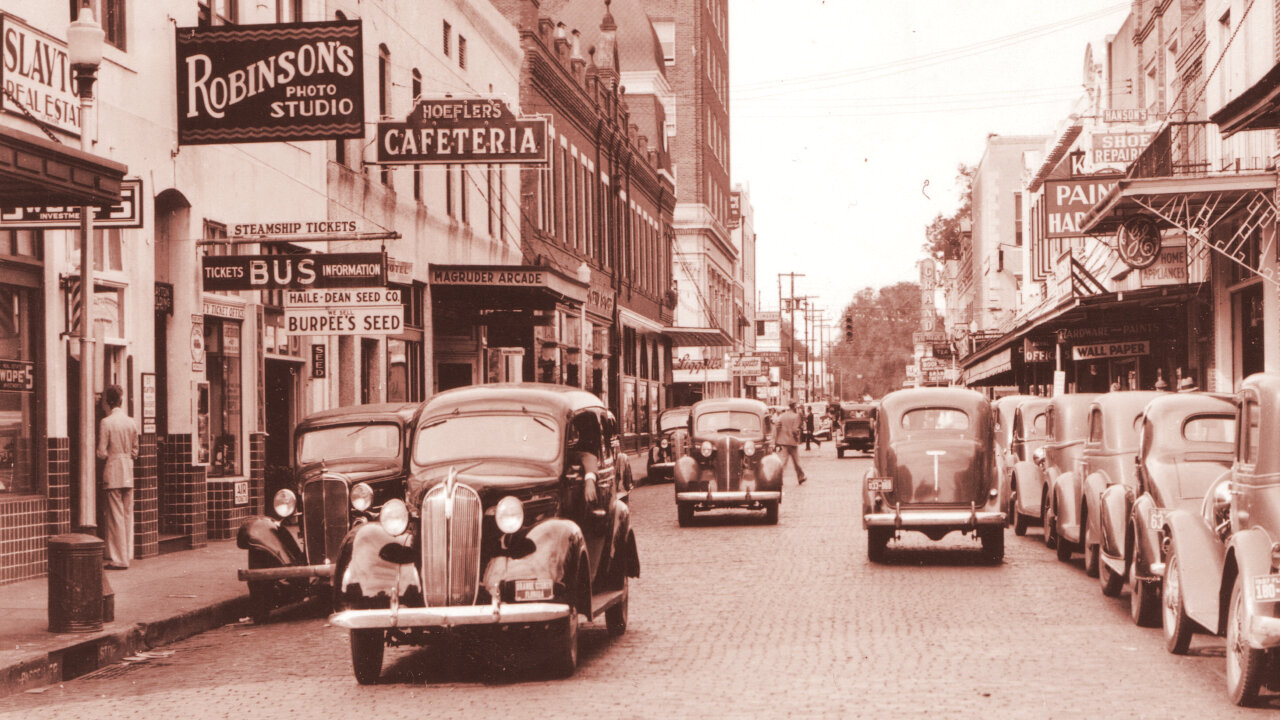
Talkie-1930, an innovative AI model with 13 billion parameters, has been trained exclusively on texts published before 1930. This unique approach means that it has no knowledge of post-World War II events, modern political discourse, or contemporary cultural phenomena. Researchers have begun to explore the results generated by this AI when asked about topics such as Adolf Hitler, stock markets, and predictions about the future. The responses are not only intriguing but also reveal the limitations and peculiarities of an AI constrained by its historical knowledge base.
To understand the significance of Talkie-1930, it is essential to consider the context of AI training and development. Most modern AI models are trained on a diverse range of data, including recent news articles, social media posts, and other digital content, which shapes their understanding of current events and trends. In stark contrast, Talkie-1930 provides a lens into a bygone era, showcasing how language, thought processes, and societal norms have evolved over the decades. This model serves as a reminder of the historical context that underpins our current understanding of numerous topics.
The existence of Talkie-1930 also raises important questions about the implications for both AI development and the broader market. As AI models become increasingly sophisticated and integrated into various sectors, understanding the limitations of their training data is crucial. Talkie-1930's responses can provide insights into how we interpret historical events and how these interpretations might differ from contemporary perspectives. This could lead to a greater appreciation for the historical context in discussions around current events, potentially influencing sectors like education, journalism, and even finance.
Industry reactions to Talkie-1930 have been varied, with some experts expressing fascination at the novelty of a model that operates outside the influence of modern information. Others, however, have raised concerns about the applicability of its insights in today's world, given the vast differences in societal values and knowledge between the early 20th century and now. The responses generated by Talkie-1930 can be both amusing and unsettling, sparking debates about the relevance of historical knowledge in shaping future discussions.
Looking ahead, the development and exploration of AI models like Talkie-1930 may pave the way for new approaches in understanding historical narratives. Researchers and developers are likely to continue experimenting with training AI on specific time frames or genres to uncover how different contexts affect language and thought processes. This endeavor could lead to a richer understanding of our past, while also prompting deeper reflections on how history informs our present and future decisions.

En nuestro analisis:
¿Quieres enterarte de las noticias primero?
Síguenos en nuestro canal de Telegram – publicamos noticias importantes y análisis.
Seguir el canal