RegulaciónBajista
Senate moves to ban themselves from prediction market trading amid insider concerns
Fuente: The Block
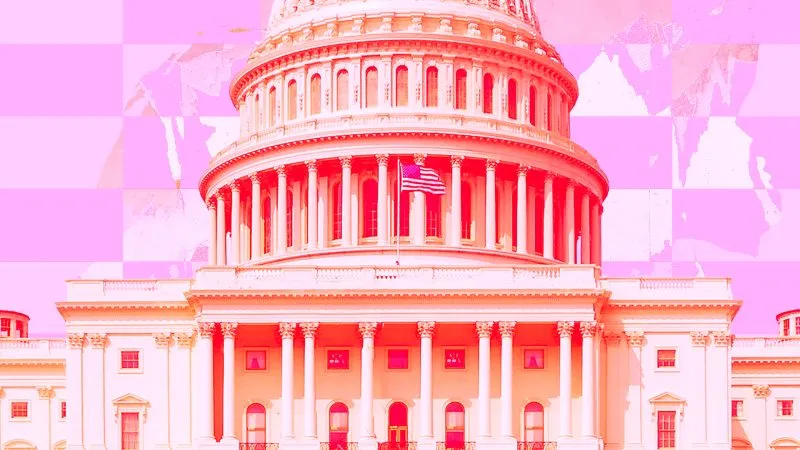
In a significant move, the U.S. Senate has unanimously passed a resolution that prohibits its members from trading on prediction markets. This decision comes in light of growing concerns regarding insider trading and the potential for senators to exploit their access to non-public information for personal financial gain. The resolution aims to ensure greater transparency and integrity within the legislative body, reflecting a commitment to uphold ethical standards in governance. This development has sparked discussions about the implications of lawmakers engaging in such speculative trading platforms, which have gained popularity in recent years.
The backdrop to this resolution is a series of controversies surrounding the financial activities of lawmakers. Reports have emerged highlighting instances where senators made stock trades that coincided with legislative developments, raising questions about conflicts of interest. As prediction markets have become more mainstream, the risks associated with lawmakers participating in such platforms have come under increased scrutiny. This has led to a broader conversation about the need for stricter regulations governing the financial activities of public officials, particularly in an era where transparency is more crucial than ever.
This ban on trading in prediction markets is expected to have a ripple effect on the market itself. Prediction markets, which allow individuals to wager on the outcomes of various events, including political elections and legislative decisions, could see reduced liquidity and participation if lawmakers are removed from the pool of potential traders. However, some analysts argue that this move may ultimately lead to a more trustworthy market environment, as it removes the potential for conflicts of interest that could skew predictions based on insider knowledge. The sentiment among investors is cautiously optimistic, with many believing that this resolution could enhance the credibility of prediction markets in the long run.
Industry experts have largely welcomed the Senate's decision, viewing it as a necessary step toward restoring public trust in the political process. Commentators have pointed out that this ban sets a precedent for other government bodies and could inspire similar regulations at different levels of government. By taking this action, the Senate is sending a clear message that it prioritizes ethical conduct and accountability over potential financial gain. The reactions from advocacy groups have also been positive, as many have long campaigned for stricter rules to eliminate the risks of insider trading among public officials.
Looking ahead, it will be interesting to see how this resolution influences the broader political landscape and whether other legislative bodies will follow suit. The implications for prediction markets could also be profound, as participants reassess the impact of this decision on their trading strategies. As lawmakers adapt to this new reality, there may be calls for further reforms aimed at enhancing transparency in all aspects of governmental operations. The Senate's resolution marks a critical moment in the ongoing dialogue about ethics in politics and the role of financial markets in shaping public policy.

En nuestro analisis:
¿Quieres enterarte de las noticias primero?
Síguenos en nuestro canal de Telegram – publicamos noticias importantes y análisis.
Seguir el canal