RegulaciónBajista
Ripple’s dollar stablecoin hits a wall in Japan, one of XRP’s friendliest markets, as megabanks earn most of the trust
Fuente: CryptoSlate
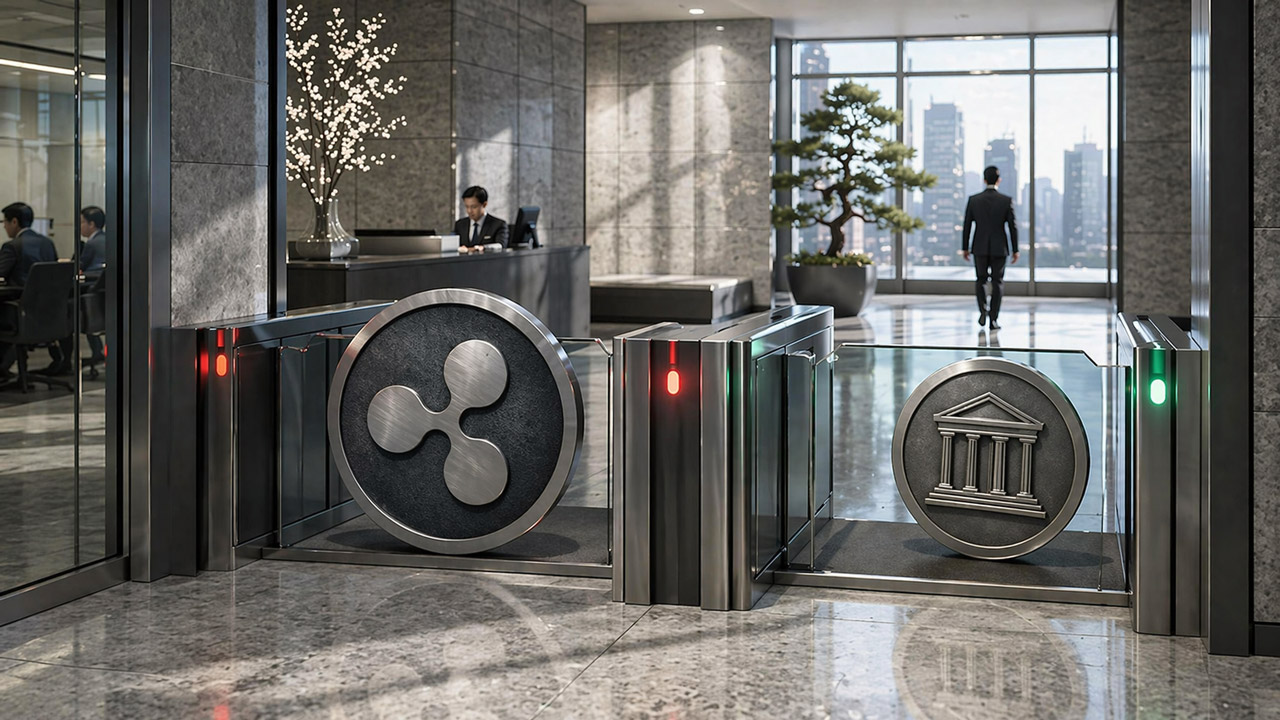
Ripple's foray into the Japanese market has encountered a significant hurdle with its dollar-pegged stablecoin, RLUSD, facing challenges in gaining traction among consumers and businesses. Despite Japan being a historically welcoming environment for Ripple, characterized by strong partnerships with key players like SBI, the trust placed in traditional megabanks has proven a formidable barrier. As the expectation for RLUSD's launch grows, it appears that the entrenched banking institutions are still the preferred choice for many Japanese users, leading to skepticism surrounding the new stablecoin.
To understand the current situation, it's essential to consider the background of Ripple's relationship with Japan. Since SBI's initial investment in Ripple back in 2016, the partnership has blossomed, culminating in the launch of XRP-enabled remittance services in 2021. SBI VC Trade has played a pivotal role in popularizing XRP and has laid the groundwork for Ripple's stablecoin ambitions. However, the Japanese financial landscape is dominated by established megabanks that have cultivated long-standing trust with consumers. This trust has historically made it difficult for newer financial products, even those backed by reputable partners like Ripple, to gain substantial footholds.
The implications of this development for the broader market are significant. Japan is often seen as a bellwether for cryptocurrency adoption in Asia, and the struggles of RLUSD may reflect broader hesitations among consumers regarding stablecoins. As the market increasingly shifts towards digital assets, the failure of a major player like Ripple to capture consumer confidence could reverberate throughout the industry, potentially stunting the growth of stablecoins and highlighting the importance of trust in an increasingly digital financial landscape.
Industry experts have responded to this news with a mixture of concern and caution. Some analysts argue that Ripple's challenges in Japan underscore the importance of regulatory clarity and consumer education when it comes to adopting new financial technologies. Others believe that while the current landscape may appear daunting for Ripple, there remains potential for growth as consumers become more familiar with digital currencies. The general sentiment seems to be that while this setback is notable, it does not necessarily signal the end for Ripple's ambitions in Japan or the wider Asian market.
Looking ahead, Ripple will likely need to address the trust gap that exists between its stablecoin and the established banking institutions. This may involve strategic partnerships, enhanced marketing efforts, or even adapting the product to better meet the needs of Japanese consumers. As the landscape evolves, it will be crucial for Ripple to remain agile and responsive to market demands, potentially paving the way for RLUSD to overcome its current challenges in Japan.
CM
Equipo CoinMagnetic
Inversores en cripto desde 2017. Operamos con nuestro propio dinero y probamos cada exchange personalmente.
Actualizado: abril de 2026
En nuestro analisis:
¿Quieres enterarte de las noticias primero?
Síguenos en nuestro canal de Telegram – publicamos noticias importantes y análisis.
Seguir el canal