MercadoNeutral
Oil futures up 7% on Hyperliquid as Trump orders Naval blockade of Hormuz
Fuente: CoinDesk
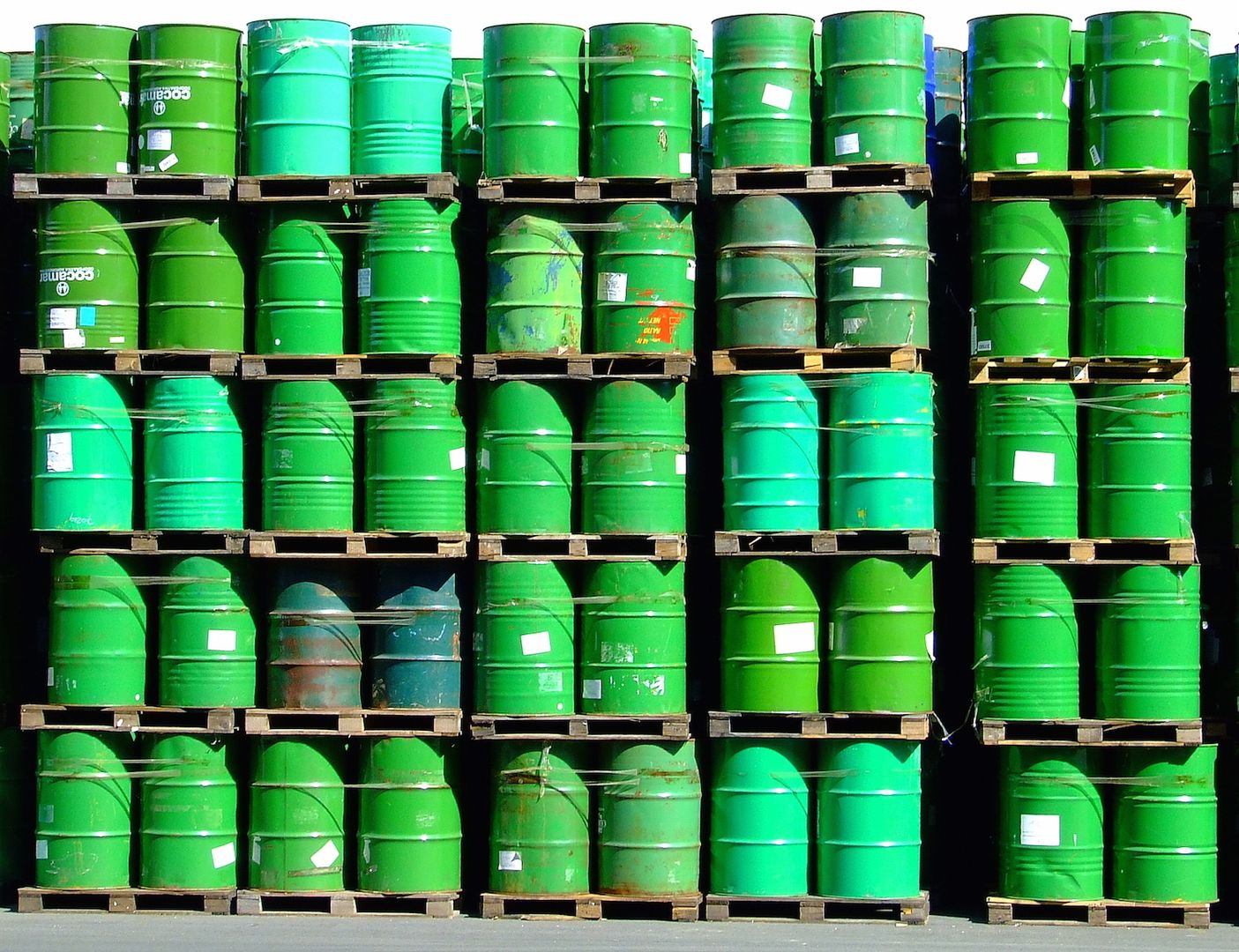
Oil futures experienced a significant surge of 7% on the Hyperliquid trading platform following President Donald Trump's unexpected order for a naval blockade of the Strait of Hormuz. This strategic move raises tensions in an already volatile region, as the Strait is a vital artery for global oil shipments. The blockade could potentially disrupt the flow of oil from major producers in the Middle East, leading to heightened concerns about supply shortages. Traders reacted swiftly to the news, driving up futures prices as they anticipated the potential fallout from this escalation.
To understand the implications of this announcement, we must consider the historical context surrounding the Strait of Hormuz. This narrow passage is crucial for global oil transportation, with approximately 20% of the world's crude oil passing through it. Past geopolitical tensions in the region have often led to fluctuations in oil prices, and the prospect of a naval blockade certainly sends shockwaves through the market. Trump's decision appears to be a response to ongoing conflicts and threats in the area, which have historically prompted military action to secure oil routes.
This latest development is particularly significant for the financial markets, as rising oil prices can have far-reaching consequences for both consumers and businesses. Higher oil prices often translate to increased costs for transportation and manufacturing, which can then lead to inflationary pressures in the global economy. Investors are keenly aware of how fluctuations in oil prices can affect different asset classes, including cryptocurrencies, as they attempt to gauge the overall market sentiment and potential shifts in economic stability.
Industry experts have weighed in on the situation, emphasizing the potential for increased volatility in oil markets and broader economic implications. Many analysts suggest that while the immediate spike in prices is a reaction to geopolitical instability, the long-term effects will depend on how the situation unfolds. Some believe that Trump's naval blockade could provoke further retaliatory actions from countries in the region, potentially leading to a more extended period of instability and higher prices. Others caution that while the spike is notable, it may not be sustainable if diplomatic solutions are pursued.
As we look ahead, it remains to be seen how the situation in the Strait of Hormuz will develop and what impact it will have on global oil markets and broader economic indicators. Investors will be watching closely for any further announcements from the U.S. government or updates regarding military actions in the region. Additionally, market participants will be keenly interested in how oil-producing nations respond to these developments, as their actions could play a crucial role in either easing or exacerbating current tensions.
Equipo CoinMagnetic
Inversores en cripto desde 2017. Operamos con nuestro propio dinero y probamos cada exchange personalmente.
Actualizado: abril de 2026
¿Quieres enterarte de las noticias primero?
Síguenos en nuestro canal de Telegram – publicamos noticias importantes y análisis.
Seguir el canal