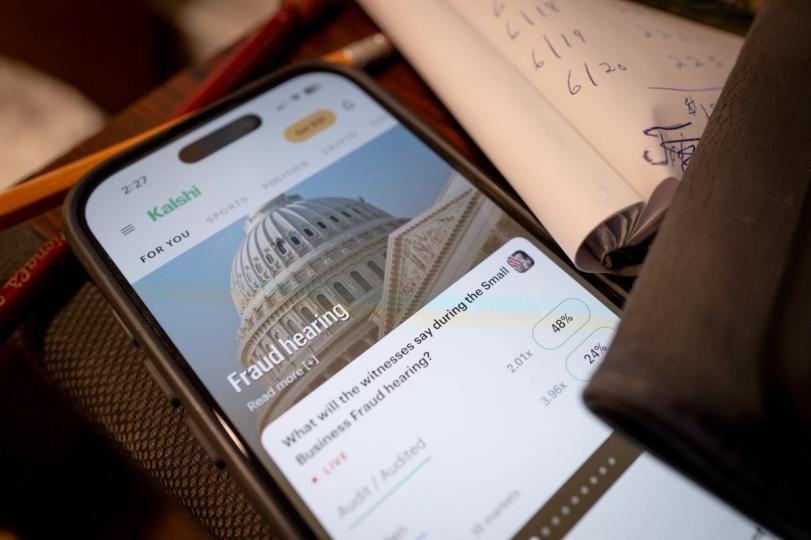
Kalshi, a regulated prediction market platform, has solidified its position as a dominant player in the U.S. prediction market landscape, now controlling 89% of the market share. This significant development comes amid a growing acceptance of prediction markets as legitimate financial instruments rather than mere gambling platforms. With Kalshi's rise, the platform is drawing attention to the ongoing legal and regulatory debates that could shape the future of prediction markets in the United States.
Historically, prediction markets have faced scrutiny and varied regulatory treatment across different states. Unlike traditional gambling, which is often seen as purely chance-based, prediction markets allow participants to wager on the outcomes of specific events, such as political elections or economic indicators. The distinction between these two frameworks is crucial, as it determines the level of regulatory oversight and the legal landscape for operators. As states and federal regulators engage in a high-stakes battle over this classification, the future of platforms like Kalshi hangs in the balance.
The implications of Kalshi's dominance extend beyond just market share–it signals a potential shift in how prediction markets are perceived and regulated. If regulators ultimately classify these platforms as sophisticated financial tools, it could open the floodgates for further growth and innovation in the sector. Conversely, a ruling that categorizes them purely as gambling could stifle their development and limit their accessibility to the general public. As such, the resolution of this legal battle will be closely watched by investors and market participants alike.
Industry reactions to Kalshi's rise and the regulatory challenges ahead have been mixed. Some experts are optimistic, viewing Kalshi's success as a sign that prediction markets can thrive within a regulated framework, potentially paving the way for similar platforms to emerge. Others, however, caution that the ongoing legal disputes could dampen enthusiasm and deter new entrants into the market. The outcome of these discussions will likely influence not only Kalshi but the entire prediction market ecosystem.
Looking ahead, the trajectory of Kalshi and the broader prediction market landscape will depend heavily on the legal outcomes of the current regulatory debates. As the industry holds its breath, stakeholders will be keenly analyzing developments to gauge how they might impact their strategies and investment decisions. The coming months will be pivotal in determining whether prediction markets can fully realize their potential as a mainstream financial tool or whether they will remain tethered to the uncertainties of gambling regulations.
Equipo CoinMagnetic
Inversores en cripto desde 2017. Operamos con nuestro propio dinero y probamos cada exchange personalmente.
Actualizado: abril de 2026
¿Quieres enterarte de las noticias primero?
Síguenos en nuestro canal de Telegram – publicamos noticias importantes y análisis.
Seguir el canal