MineríaNeutral
From smelters to servers: Alcoa to cash in on crypto’s thirst for energy
Fuente: CoinDesk
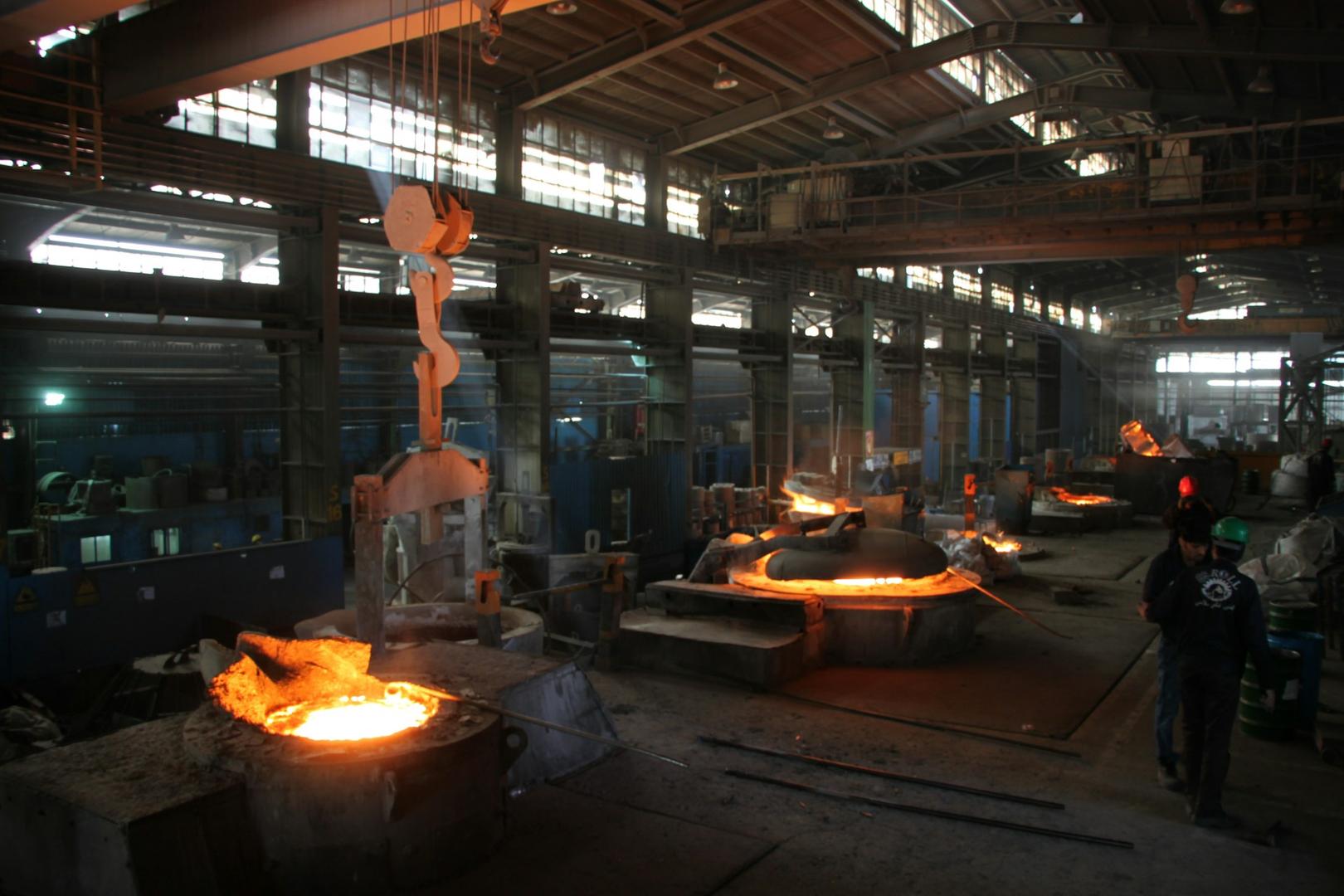
Alcoa, one of the largest aluminum producers globally, is reportedly in advanced negotiations to sell its dormant Massena East smelter located in upstate New York to the Bitcoin mining firm NYDIG. This potential transaction marks a significant pivot for Alcoa, as it seeks to capitalize on the burgeoning demand for energy in the cryptocurrency sector. The Massena East facility, which has been inactive for some time, could serve as a substantial energy resource for NYDIG, providing the necessary infrastructure to support its Bitcoin mining operations. As energy consumption becomes a focal point in the crypto industry, this deal exemplifies a growing trend of traditional industries adapting to the needs of the digital economy.
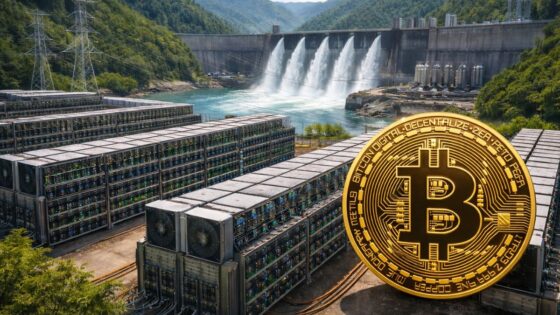
The context surrounding this deal is rooted in the increasing energy demands of cryptocurrency mining, particularly Bitcoin. Mining operations require substantial electricity to power the rigs and maintain optimal operational temperatures. As the mining landscape evolves, companies are seeking reliable and cost-effective energy sources. Alcoa's Massena East smelter, with its existing infrastructure and energy capabilities, presents a strategic opportunity for NYDIG to enhance its mining efficiency while potentially reducing operational costs. This development could signify a broader shift where traditional manufacturing facilities are repurposed for the crypto industry, blending two seemingly disparate sectors.
This negotiation holds considerable implications for the cryptocurrency market, particularly regarding the sustainability and environmental impact of mining operations. Utilizing existing industrial infrastructure could mitigate some of the criticism directed at Bitcoin mining's carbon footprint, especially if the energy sourced is cleaner than traditional fossil fuels. If this deal goes through, it could pave the way for other manufacturers to explore similar partnerships with crypto firms, leading to a more symbiotic relationship between energy production and digital asset mining. Such collaborations could also stabilize energy prices in the sector, which have been historically volatile.
Industry experts have weighed in on the significance of this potential sale. Many believe that Alcoa's decision to engage in the crypto space reflects a growing recognition of Bitcoin mining as a legitimate and lucrative business model. Some analysts argue that this move could set a precedent for other traditional industries to explore opportunities within the blockchain ecosystem. Furthermore, experts highlight that aligning the interests of energy producers with cryptocurrency miners could stimulate innovation in energy efficiency and sustainability practices.
Looking ahead, the outcome of this negotiation could serve as a bellwether for future partnerships between energy companies and cryptocurrency firms. If the deal is finalized, it might encourage similar transactions across the industry, leading to a wave of repurposed facilities in regions rich in energy resources. Additionally, the success of this endeavor could inspire more eco-friendly practices within the mining sector, potentially reshaping the public perception of cryptocurrency operations. As the crypto landscape continues to evolve, the interplay between traditional energy sectors and digital currencies may define the future of both industries.
CM
Equipo CoinMagnetic
Inversores en cripto desde 2017. Operamos con nuestro propio dinero y probamos cada exchange personalmente.
Actualizado: abril de 2026
En nuestro analisis:
¿Quieres enterarte de las noticias primero?
Síguenos en nuestro canal de Telegram – publicamos noticias importantes y análisis.
Seguir el canal