RegulaciónBajista
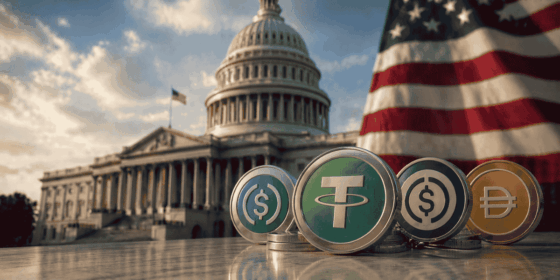
Banking group asks for more time to comment on US stablecoin bill
Fuente: Cointelegraph

In a recent development, a prominent banking group has formally requested an extension to comment on the U.S. stablecoin bill, citing the need for additional time to assess its implications. The call for an extension, directed to four U.S. government agencies, specifically highlights the complexities surrounding the Office of the Comptroller of the Currency (OCC) stablecoin rulemaking, which has recently been finalized. The banking group argues that an extra 60 days would enable stakeholders to provide more comprehensive feedback, ensuring that the regulations are well-informed and balanced.
Understanding the backdrop of this request is crucial. The U.S. stablecoin bill has been a topic of intense discussion within the financial services sector, particularly as it seeks to establish a clear regulatory framework for digital currencies backed by stable assets. Given the rapid growth of the stablecoin market, which has seen significant adoption among consumers and businesses alike, the need for thoughtful regulation has never been more pressing. The banking group’s request underscores the challenges that traditional financial institutions face as they navigate new digital asset regulations while trying to protect their interests and remain competitive.
This request for more time is significant for the market, as it reflects the ongoing tension between traditional banking entities and the evolving landscape of digital currencies. If granted, the extension could lead to more robust regulatory frameworks that might help stabilize the market. However, delays in regulatory clarity can also impact investor confidence and market dynamics, as uncertainty often leads to volatility. The outcome of this situation could set a precedent for how future regulations are approached in the crypto space, particularly in relation to stablecoins.
Industry experts have expressed mixed reactions to the banking group’s request. Some believe that an extension is warranted, arguing that thorough analysis and stakeholder feedback are essential for crafting effective regulations that address potential risks without stifling innovation. Others, however, are concerned that prolonged discussions could hinder progress and allow for further regulatory ambiguity, which might dissuade investment and hinder the development of the stablecoin market. The varying opinions illustrate the complexities involved in balancing regulatory oversight with the need for innovation in the financial landscape.
Looking ahead, the decision by U.S. regulatory agencies on whether to grant the additional time will be pivotal. If they approve the extension, it may open the door for more detailed discussions and a more collaborative approach to regulation. Conversely, if they choose to maintain the original timeline, banks and financial institutions may have to navigate the new landscape with less input than they would prefer. Ultimately, how this situation unfolds will be closely watched by market participants and could significantly influence the future trajectory of stablecoin regulations in the United States.
CM
Equipo CoinMagnetic
Inversores en cripto desde 2017. Operamos con nuestro propio dinero y probamos cada exchange personalmente.
Actualizado: abril de 2026
En nuestro analisis:
¿Quieres enterarte de las noticias primero?
Síguenos en nuestro canal de Telegram – publicamos noticias importantes y análisis.
Seguir el canal