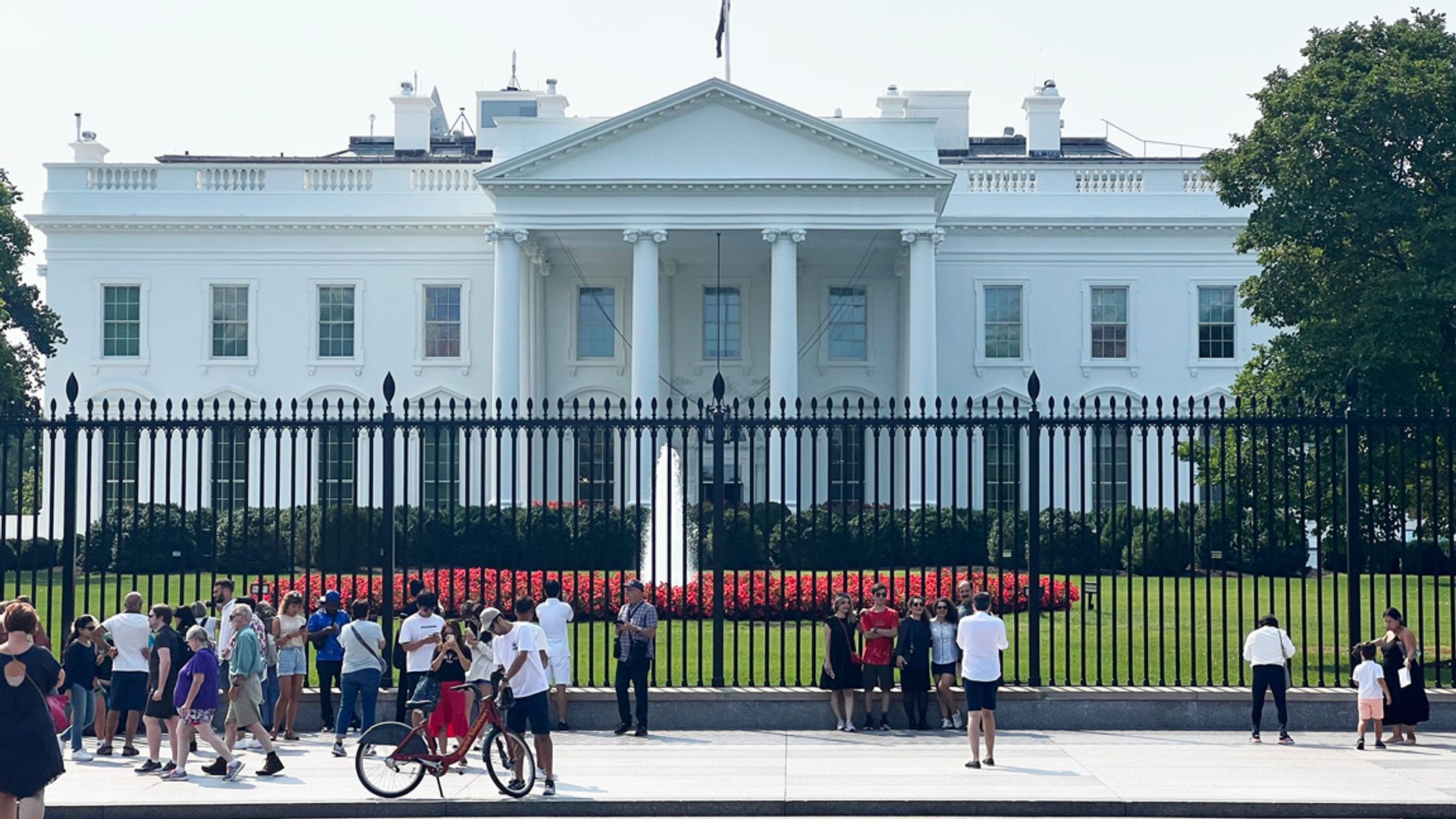
The ongoing debate over stablecoin yields and their potential impact on traditional banking deposits has taken a new turn, as a study from the American Bankers Association (ABA) directly challenges the White House's recent assertions. According to the ABA's findings, the White House economists mischaracterized the core issues surrounding stablecoins and their influence on consumer behavior. This study comes in the wake of increasing scrutiny over how digital assets, particularly stablecoins, might affect the stability of the banking sector, especially in terms of attracting deposits away from traditional banks.
Stablecoins have surged in popularity, particularly as they offer a means of earning yields that can surpass traditional savings accounts. The White House's economists had suggested that these yields do not pose a significant threat to bank deposits, arguing that consumers are generally influenced by factors beyond just yield when choosing where to place their money. However, the ABA's study contends that this viewpoint oversimplifies the dynamics at play. As the crypto market matures, stablecoins are becoming more than just a niche product; they are now seen as viable alternatives that can substantially impact the banking landscape.
This matter is of crucial importance for the financial markets as it touches on the broader implications of decentralized finance (DeFi) and the role of traditional banks in a digital economy. If stablecoins continue to attract deposits, banks could face challenges in maintaining their liquidity and may need to adjust their interest rates accordingly. The ABA's study highlights a potential shift in consumer behavior that could disrupt the long-standing dominance of traditional financial institutions. As more individuals explore the benefits of stablecoins, the pressure on banks to innovate and adapt their offerings could intensify.
Industry experts have weighed in on this study, emphasizing the need for a nuanced understanding of the relationship between stablecoins and traditional banking. Some analysts argue that while stablecoins might pose a competitive threat, they also present opportunities for banks to evolve their services and cater to a tech-savvy clientele. Others caution that regulatory frameworks will need to catch up to the rapid growth of stablecoins to ensure consumer protection and maintain financial stability.
Looking ahead, the conversation surrounding stablecoins and their impact on deposits is likely to escalate. As more data emerges and the ABA's findings circulate within the financial community, we can expect further discussions on regulatory measures and the potential integration of stablecoins into mainstream banking practices. The future of finance is undoubtedly being shaped by these developments, and stakeholders across the spectrum will need to stay informed and agile in response to the evolving landscape.
Equipo CoinMagnetic
Inversores en cripto desde 2017. Operamos con nuestro propio dinero y probamos cada exchange personalmente.
Actualizado: abril de 2026
¿Quieres enterarte de las noticias primero?
Síguenos en nuestro canal de Telegram – publicamos noticias importantes y análisis.
Seguir el canal


