XRP adjacent Flare proposes protocol-level MEV capture and 40% inflation cut

Flare, a project closely associated with the XRP ecosystem, has recently proposed a significant overhaul to its protocol aimed at capturing miner extractable value (MEV) at a protocol level. The proposal outlines a shift in block building responsibilities from individual validators to a centralized revenue entity dubbed FIRE. This entity would be responsible for purchasing and burning FLR tokens, thereby potentially reducing the token supply. Moreover, Flare has suggested a drastic cut in annual inflation from the current rate to just 3%, prompting discussions about the implications for token value and ecosystem sustainability.
To understand the significance of this proposal, it's essential to consider the context surrounding Flare and its role within the broader crypto landscape. Launched with the intention of enabling smart contracts on the XRP Ledger, Flare has faced challenges in achieving widespread adoption despite its innovative technology. The current inflation rate of FLR tokens has been a point of contention among investors and stakeholders, as high inflation can erode value over time. By proposing a reduction in inflation alongside a mechanism to capture MEV, Flare aims to incentivize long-term holding and enhance the overall health of its economy.
The implications of this proposal are considerable for the market, particularly for FLR token holders. By shifting block production responsibilities and implementing a buy-and-burn mechanism, Flare seeks to create a more stable and appealing investment environment. The proposed reduction in inflation is likely to be viewed positively by the community, as it suggests a commitment to increasing scarcity and potentially improving the token's market performance. Additionally, the MEV capture strategy could attract more validators and participants to the network, enhancing its overall security and usability.
Industry reactions to Flare's proposal have been mixed, with some experts praising the innovative approach to MEV and tokenomics, while others express caution. Critics argue that shifting block building to a centralized entity could undermine the decentralized ethos that many in the crypto community value. However, supporters contend that the benefits of improved revenue generation and token scarcity outweigh the potential downsides. As discussions unfold, stakeholders are keenly observing the reactions from the broader XRP community and other blockchain projects, as this proposal may set a precedent for how other networks address similar challenges.
Looking ahead, the success of Flare's proposal will depend on community support and effective implementation. If adopted, the changes could reshape the dynamics within the Flare ecosystem and influence other projects considering similar strategies. As the proposal moves forward, it will be crucial for Flare to engage with its community and address any concerns that may arise. The next steps will likely involve discussions, potential revisions, and a vote among stakeholders to determine the future direction of the protocol.

CoinMagnetic Team
Crypto investors since 2017. We trade with our own money and test every exchange ourselves.
Updated: April 2026
From our insights:
Related news
ZetaChain votes to shut down Layer 1 network and move ZETA to Solana
Solana reduces block times by 17% with latest upgrade, boosting transaction freshness
Optimism secures upgrade for Superchain to enable interoperability
Solana boosts transaction size by 3x amid surge in network activity
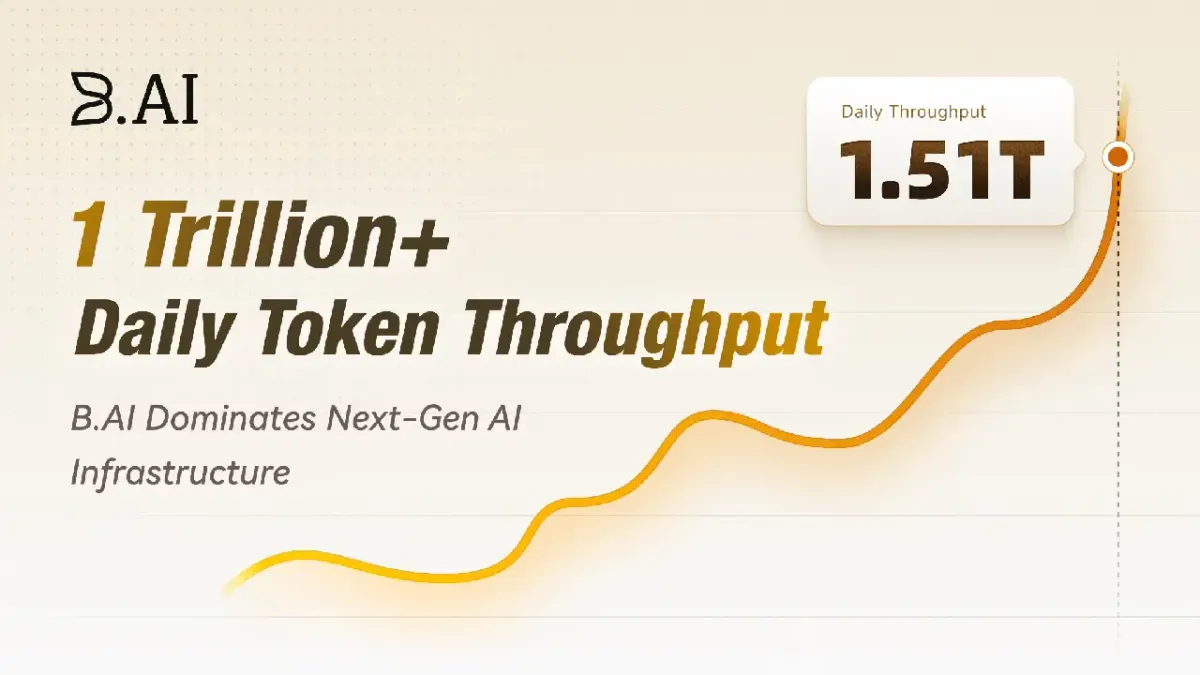
B.AI achieves record 1.51 trillion tokens daily throughput for AI infrastructure