Why Meta is choosing partners over power in its 2026 stablecoin push

Meta's strategy for its 2026 stablecoin initiative signals a significant shift from the company's previous ambitions of launching its own digital currency. Instead of developing a native stablecoin, Meta is focusing on establishing partnerships with existing financial institutions and digital asset platforms. This approach aims to create a robust infrastructure that leverages the strengths of established players in the industry, allowing Meta to prioritize user adoption and regulatory compliance while enhancing its services in the digital currency space. By collaborating with partners, Meta can tap into their expertise and resources, ensuring a more seamless integration of cryptocurrency into its ecosystem.
This partnership-centric model is crucial for the market, especially as regulatory scrutiny around digital currencies intensifies. By aligning with established financial entities, Meta can better navigate the complex regulatory landscape and mitigate risks associated with launching a proprietary stablecoin. This strategy may also inspire other tech companies to adopt similar collaborative approaches, fostering a more interconnected financial ecosystem that prioritizes stability and compliance. As Meta takes these steps, the market could witness a shift towards more cooperative models, potentially leading to greater trust among users and investors.
Looking ahead, it will be interesting to see how these partnerships evolve and what concrete offerings emerge from them. The success of Meta's approach will depend on the effectiveness of its collaborations and the ability to deliver a user-friendly, compliant solution that resonates with both consumers and regulators. As the 2026 deadline approaches, we can expect to see further developments and announcements that will shape the landscape of digital currencies and stablecoins.

CoinMagnetic Team
Crypto investors since 2017. We trade with our own money and test every exchange ourselves.
Updated: April 2026
From our insights:
Related news

Bitcoin's weekly close above $81,000 signals potential rise to $90,000

Elon Musk's X integrates bitcoin trading options for U.S. users
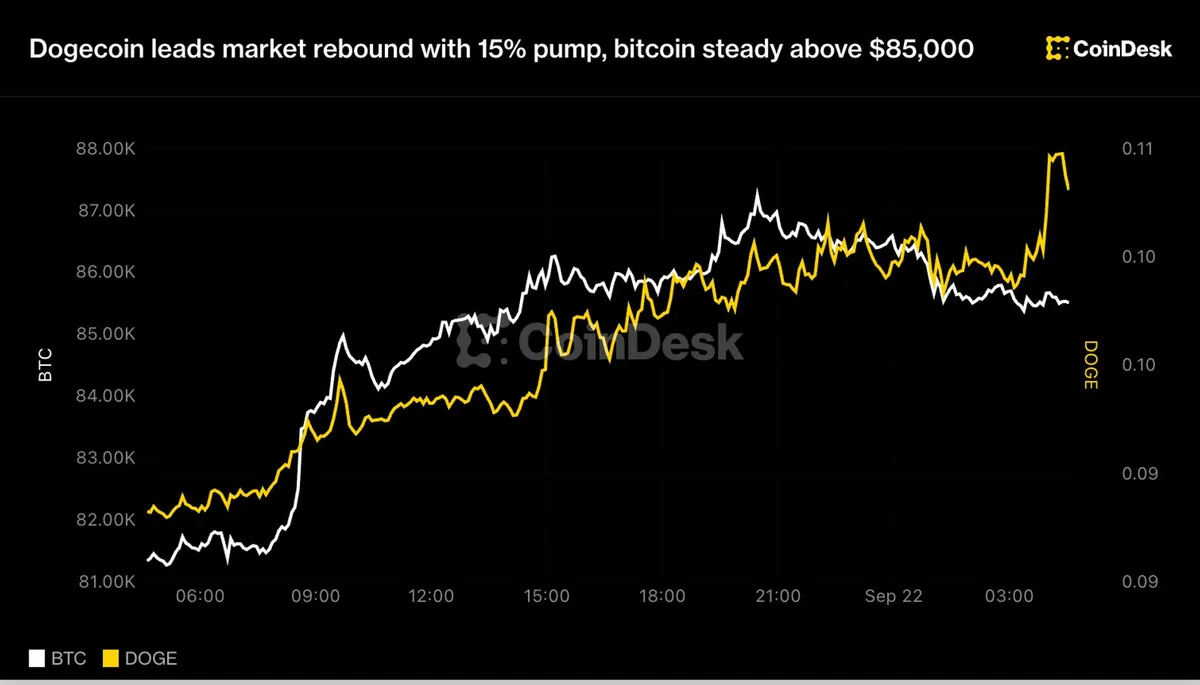
Dogecoin's 15% surge drives market recovery as bitcoin stabilizes above $85,000

Cardano adds tools for AI agent payments, joining Solana and XRP Ledger

Trueo prediction market moves from Base to Ethereum