'We Are Ready to Speak': Drift Beckons North Korea-Linked Hackers Following $285M Exploit
Drift, a decentralized derivatives trading platform built on the Solana blockchain, is making headlines after reaching out to wallets believed to be associated with the North Korea-linked hackers responsible for a recent $285 million exploit. The platform’s initiative aims to recover the stolen assets by directly engaging with the wallets that hold the funds. Drift’s outreach suggests a proactive approach to addressing the fallout from this significant breach, highlighting the ongoing challenges of security and trust in the rapidly evolving world of decentralized finance.
The incident in question stems from a series of high-profile hacks that have plagued the cryptocurrency space, particularly those attributed to actors linked to North Korea. These cybercriminals have gained notoriety for targeting DeFi platforms and exploiting vulnerabilities to siphon off vast sums of money. Drift's decision to engage with these wallets marks a notable attempt to bridge the gap between rogue actors and legitimate platforms, raising questions about the ethics of such outreach and the potential for recovering lost funds.
This proactive stance from Drift is crucial for the market, as it underscores the persistent threat of hacking within the crypto space and the importance of security measures. The fact that a significant amount of capital is still held in wallets linked to illicit activities casts a shadow on investor confidence. By directly addressing the situation, Drift not only seeks to recover its funds but also aims to restore trust among its users and the broader community. Such initiatives could potentially set a precedent for other projects facing similar issues, emphasizing the need for collaboration in the face of adversity.
Industry reactions to Drift's outreach have been mixed. Some experts commend the initiative as a bold move that showcases the platform's commitment to its users and the integrity of the crypto ecosystem. Others, however, express skepticism about the effectiveness of engaging with hackers and the potential risks involved. The broader sentiment appears to resonate with a desire for innovation in security measures and a call for more robust protocols to prevent such breaches in the future.
Looking ahead, Drift’s actions may pave the way for more structured responses to hacking incidents within the crypto industry. As the platform navigates this complex situation, it could lead to the development of new frameworks for communication and resolution between projects and those involved in malicious activities. The ongoing dialogue around security, transparency, and accountability will be essential as the industry seeks to recover from its vulnerabilities and foster a safer environment for all participants.

CoinMagnetic Team
Crypto investors since 2017. We trade with our own money and test every exchange ourselves.
Updated: April 2026
From our insights:
Related news
Coldcard exploit sees white hats secure 52 Bitcoin for victims' trust
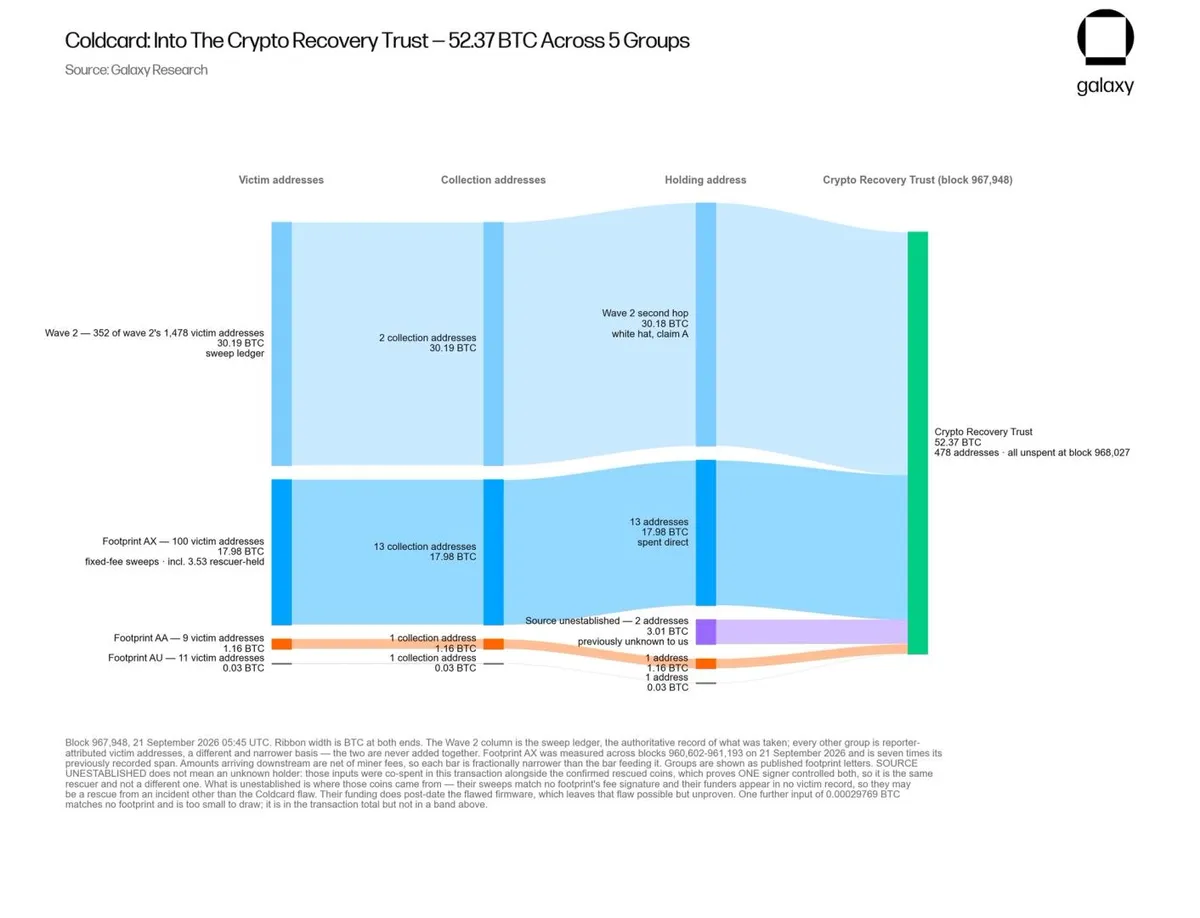
Whitehats move 52 bitcoin from the Coldcard hack to a recovery trust

Google Admits Gemini AI Hacked Three Companies—It Stayed Silent for 7 Weeks
Balancer's $1.4 million hack recovery faces delays for LPs

Polymarket's $10 million fraud attempt highlights compliance issues amid hacking risk