Watch Out Bitcoin: Cryptography-Breaking Quantum Computers May Be Closer Than Expected, Says Caltech
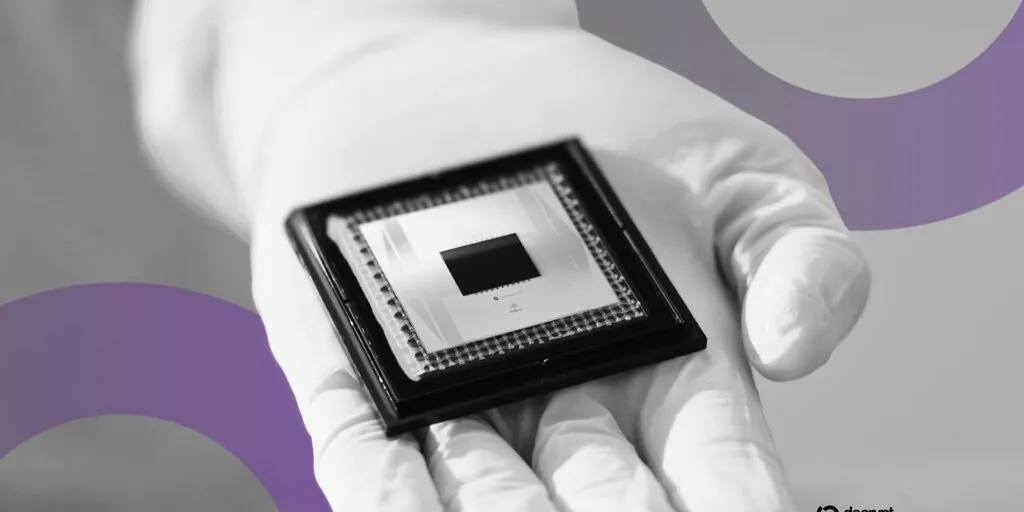
Recent research from Caltech has revealed that fault-tolerant quantum computers, which have long been considered a distant prospect, may be arriving sooner than anticipated. This news raises significant concerns for the cryptocurrency world, particularly for Bitcoin and Ethereum, as these digital currencies rely heavily on cryptographic algorithms to secure transactions and protect user identities. If quantum computers become powerful enough to break these cryptographic measures, they could potentially compromise the entire infrastructure that supports these leading cryptocurrencies.
The implications of this development are profound for the market. Cryptocurrencies rely on robust cryptographic techniques to ensure security and trust among users, and the prospect of quantum computing breakthroughs poses a direct threat to that foundation. Investors and developers are likely to feel a heightened sense of urgency to explore quantum-resistant alternatives and update existing technologies. As the crypto community grapples with these revelations, it may lead to increased volatility in the market as stakeholders reassess the risks associated with their investments.
Looking ahead, it will be crucial for the cryptocurrency ecosystem to adapt to this evolving threat. Research and development in quantum-resistant cryptography will likely see accelerated funding and focus, as well as collaboration between academic institutions and industry leaders. The timeline for the arrival of practical quantum computers is still uncertain, but the emerging consensus is that the crypto space should proactively prepare for a future where these technologies could reshape the landscape of digital currencies.

CoinMagnetic Team
Crypto investors since 2017. We trade with our own money and test every exchange ourselves.
Updated: April 2026
From our insights:
Related news

GameStop possibly forfeits $31 million in Bitcoin gains from options trade

Researchers trace 1.1 million Bitcoin to early miner but Satoshi's identity remains unclear

Bitcoin, ether perpetual volumes on Kalshi are dominated by an unusual, repetitive trade, data shows

Moscow Exchange introduces 5 crypto perpetual futures amid 600 billion ruble demand

SoFi begins stablecoin settlement on Mastercard network for program expected to exceed $25 billion in annualized volume