Trump-linked WLFI hits new low as token-backed loan triggers concern
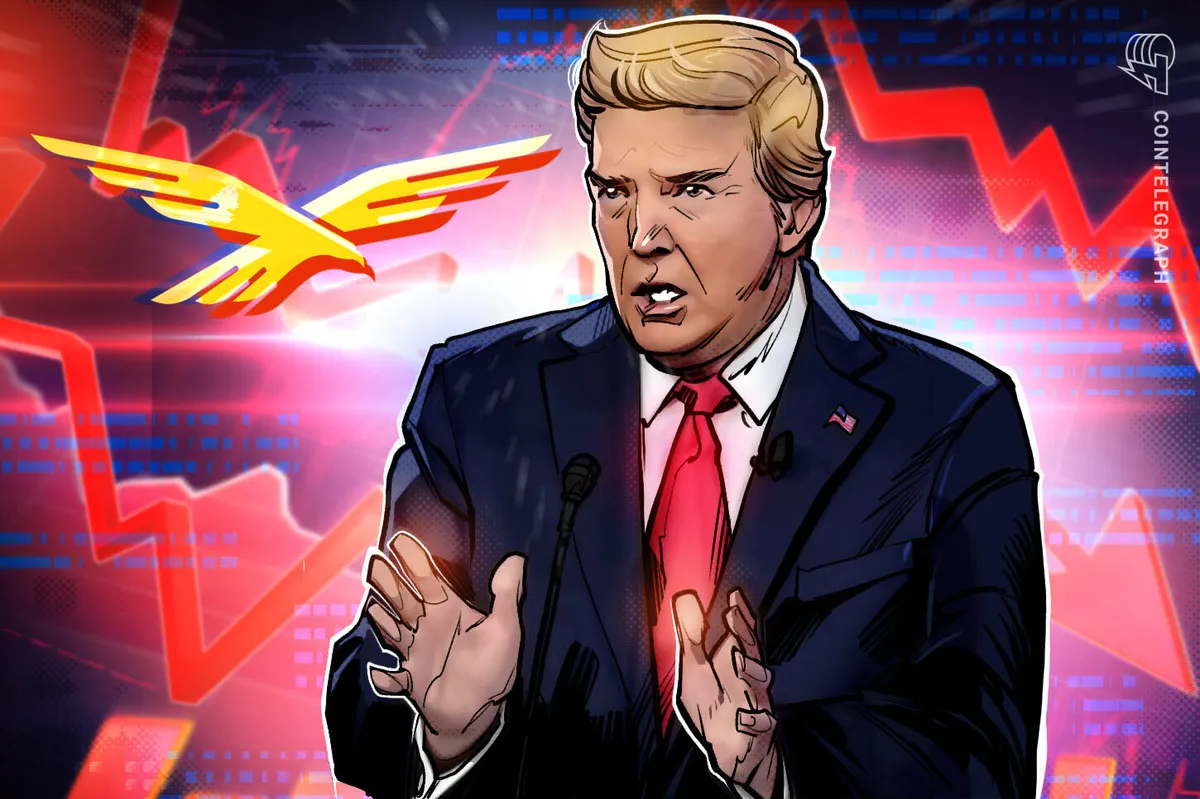
WLFI, a cryptocurrency project linked to former President Donald Trump, has recently fallen to a record low, causing significant concern among investors and industry observers. The token plummeted after it was disclosed that the project had utilized billions of its own tokens as collateral to secure a $75 million loan in stablecoins. This move raised eyebrows, as it suggested a precarious financial strategy that could jeopardize the stability of the token and the project itself. The dramatic decline in WLFI's value reflects the unease surrounding the project's management and its long-term viability.
To understand the implications of this news, it’s essential to consider the context surrounding WLFI. The project, which gained traction partly due to its association with Trump, had initially attracted a wave of support from investors eager to capitalize on the political figure's influence. However, the use of its own tokens as collateral for borrowing signals a potential liquidity crisis or a lack of confidence in its financial standing. This situation is particularly alarming given the volatile nature of the crypto market, where confidence can swiftly erode.
The market's reaction to WLFI's situation illustrates the broader concerns about tokenomics and governance within the cryptocurrency space. Investors are increasingly wary of projects that engage in high-risk financial maneuvers, especially when they involve using their own tokens as collateral. This incident may serve as a cautionary tale, prompting investors to scrutinize the financial practices of other projects more closely. It also sheds light on the importance of transparency and sound financial management in maintaining investor confidence in a highly speculative market.
Industry experts have weighed in on the situation, emphasizing the potential risks associated with such borrowing practices. Some analysts argue that using a large portion of a token's supply as collateral can create a vicious cycle, where the value of the collateral diminishes as the token's price falls. Others suggest that such moves can lead to broader market implications, especially if high-profile projects like WLFI fail to recover. The sentiment among industry insiders indicates a growing need for stricter regulations and better governance practices to protect investors and ensure market stability.
As we look ahead, the future of WLFI will depend on how the project addresses the concerns raised by its recent financial decisions. Stakeholders will be watching closely to see if the team can stabilize the token and rebuild trust with its investor base. Additionally, it will be interesting to observe whether this incident prompts a shift in how similar projects approach their financial strategies and governance structures. The outcome could influence not only WLFI but also the broader crypto landscape, as the market continues to grapple with issues of transparency and risk management.

CoinMagnetic Team
Crypto investors since 2017. We trade with our own money and test every exchange ourselves.
Updated: April 2026
From our insights:
Related news
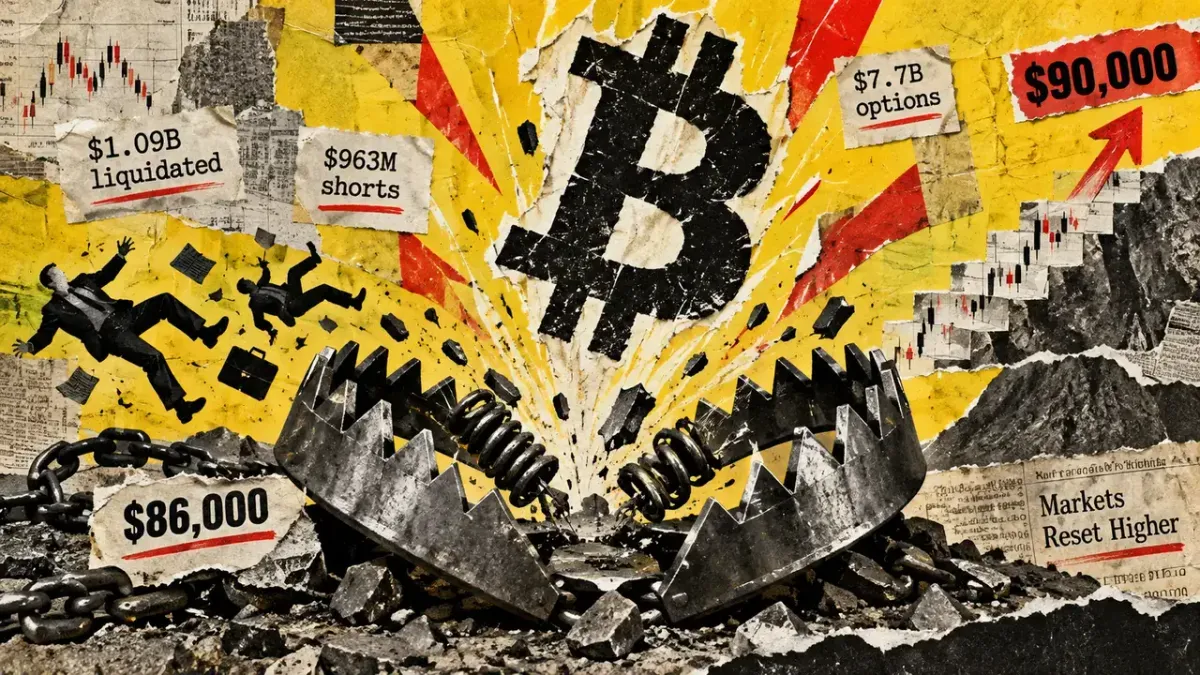
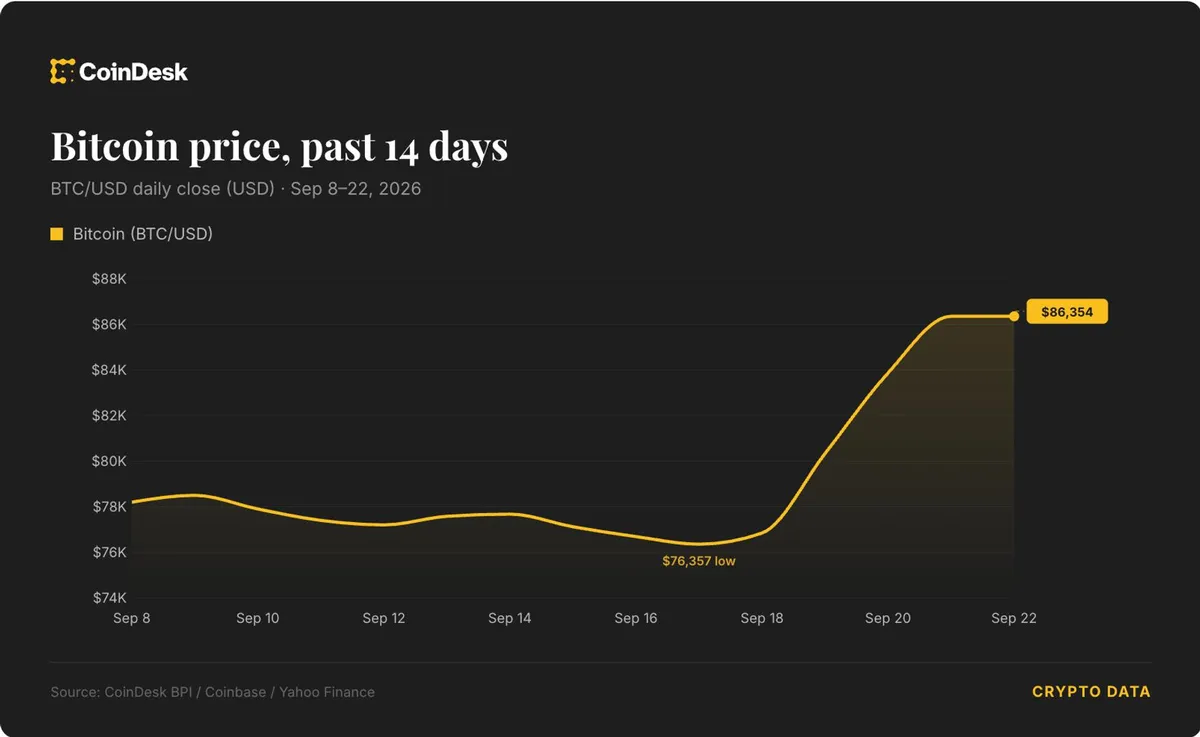
Bitcoin surges past $86,000 as $1 billion in shorts are liquidated, eyes on $90,000
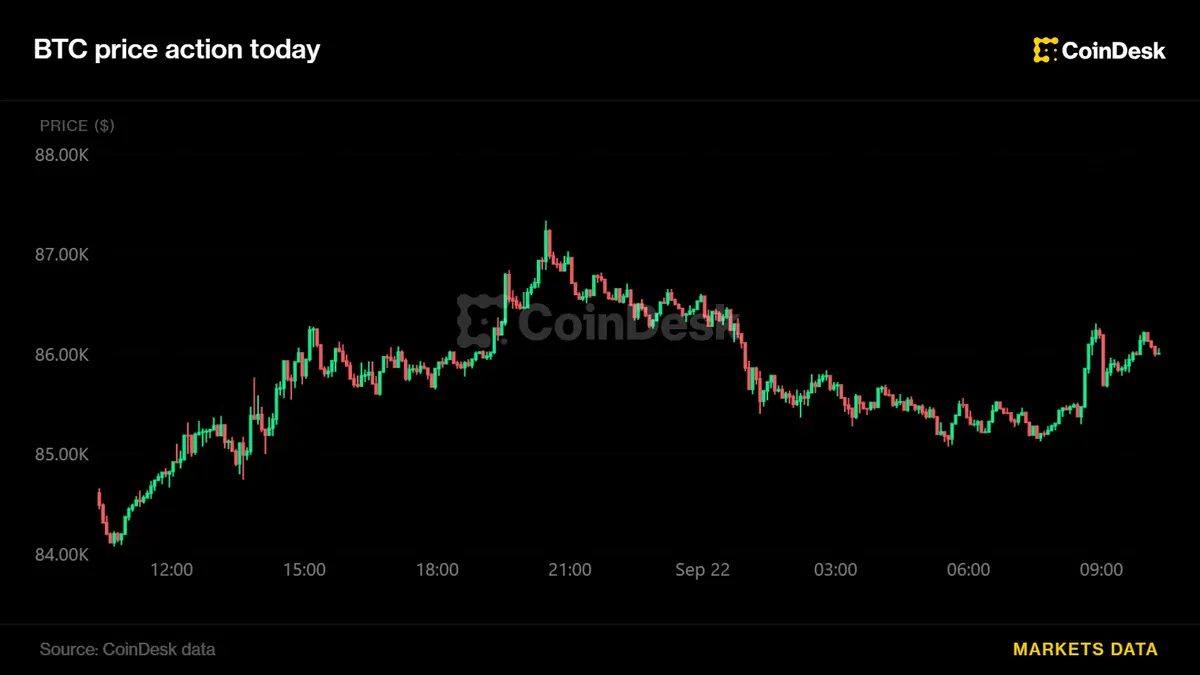
Bitcoin bounces back to $86,000 as oil prices decline and stocks rise

Prediction markets projected to reach $10 trillion by 2035, surpassing sports
Iran hints at reopening Strait of Hormuz, WTI oil drops to $89

New altseason signal emerges as Bitcoin market cap stays under 60%