Trump Admin Backs Prediction Markets With Lawsuits Against Illinois, Arizona and Connecticut
In a significant development for the prediction markets industry, the Trump administration has filed lawsuits against the states of Illinois, Arizona, and Connecticut. These lawsuits, spearheaded by the Justice Department in collaboration with the Commodity Futures Trading Commission (CFTC), aim to challenge state laws that classify prediction markets as gambling. This move represents the administration's most assertive effort to carve out a legal space for prediction markets, which allow participants to wager on the outcomes of future events, ranging from political elections to economic indicators. By contesting these state regulations, the administration is signaling its commitment to fostering innovation in the financial technology sector.
The context of this legal challenge stems from the growing popularity and potential of prediction markets as tools for aggregating information and forecasting outcomes. Historically, states have imposed stringent regulations on gambling, which have often encompassed prediction markets, limiting their growth and accessibility. The Trump administration's stance reflects a broader trend in recognizing the value of decentralized financial instruments and the need for regulatory clarity. As prediction markets gain traction in the digital age, the clash between state laws and federal interests has reached a tipping point, prompting these lawsuits as a necessary legal intervention.
This legal action is particularly important for the market as it could set a precedent for how prediction markets are regulated in the future. If the lawsuits succeed, it may pave the way for a more permissive regulatory environment, enabling prediction markets to thrive without the constraints of state gambling laws. This could attract new participants and investors, expanding the market’s reach and potentially increasing liquidity. Moreover, a favorable outcome might inspire similar legal challenges in other states, further catalyzing the evolution of prediction markets as a legitimate financial instrument.
Industry reaction has been largely supportive of the Trump's administration's move, with many experts arguing that the current state of regulation is outdated and stifles innovation. Some proponents of prediction markets believe that by allowing these markets to operate freely, the government can harness the collective intelligence of participants to improve forecasting accuracy on various issues. On the other hand, critics caution that such markets could lead to ethical dilemmas and concerns regarding the integrity of the information being traded. The balance between fostering innovation and maintaining ethical standards will be a key point of discussion as the industry navigates this evolving landscape.
Looking ahead, the outcomes of these lawsuits could have far-reaching implications for the future of prediction markets. Should the courts rule in favor of the administration, we may see a surge in new platforms and innovations in this space, as entrepreneurs seek to capitalize on the newfound legal clarity. Conversely, if the lawsuits do not succeed, prediction markets may continue to operate under restrictive state regulations, limiting their potential. As the situation unfolds, stakeholders will be closely monitoring the legal proceedings and their impact on the broader financial technology ecosystem.

CoinMagnetic Team
Crypto investors since 2017. We trade with our own money and test every exchange ourselves.
Updated: April 2026
From our insights:
Related news

Reap aims to enhance cross-border FX with non-USD stablecoins including peso

ECB and EU central banks propose liquidity thresholds for stablecoins
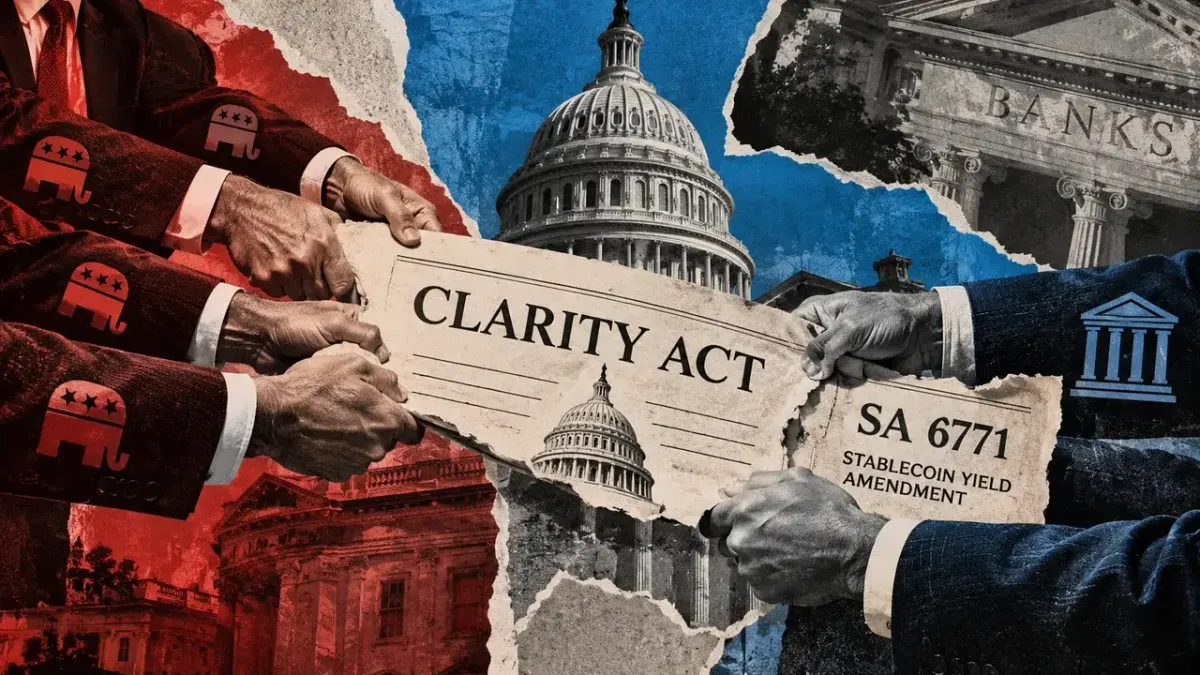
Four GOP senators backing CLARITY Act seek changes to stablecoin provisions

US investigates Binance for potential Iran-linked trading violations
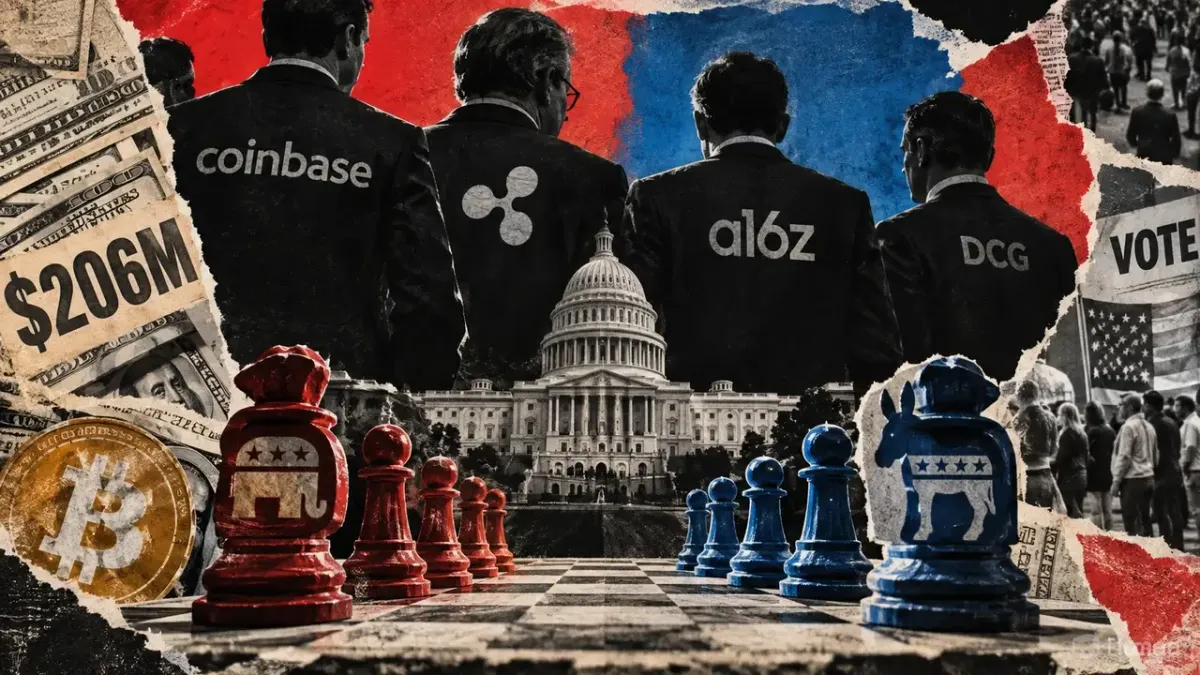
Crypto sector emerges as top donor with $206 million in midterms backing