Tokenized Stocks Take Next Step With First On-Chain Vote for Galaxy Shareholders

Holders of tokenized shares in Galaxy (GLXY) are set to experience a significant transformation in their voting rights with the introduction of on-chain proxy voting. This innovative move, facilitated by Broadridge, allows shareholders to engage in the decision-making process more seamlessly than ever before. By enabling on-chain voting, Galaxy is not only embracing blockchain technology but also enhancing shareholder participation and transparency. This shift marks a crucial step forward in the evolution of tokenized assets, as it combines the benefits of traditional equity ownership with the efficiency of decentralized governance.
To understand the significance of this development, it's essential to consider the broader context of tokenized stocks and their growth within the financial ecosystem. Over the past few years, tokenization has emerged as a transformative force, allowing traditional assets to be digitized and traded on blockchain platforms. This has attracted a new wave of investors who seek the advantages of liquidity, fractional ownership, and reduced barriers to entry. Within this landscape, Galaxy's decision to implement on-chain voting represents a pivotal moment that aligns with the increasing demand for digital asset governance and shareholder rights.
This advancement matters for the market as it sets a precedent for other companies exploring the tokenization of their shares. By demonstrating the feasibility and benefits of on-chain voting, Galaxy is paving the way for a broader adoption of similar practices across various industries. This could lead to a more engaged investor base and foster a culture of transparency and direct participation. As tokenized stocks continue to gain traction, the ability to vote on-chain could enhance the legitimacy of these digital securities, attracting institutional investors and further legitimizing the tokenization trend.
The industry reaction to this development has been largely positive, with experts applauding Galaxy's forward-thinking approach. Many believe that this initiative could inspire other companies to follow suit, ultimately leading to a more decentralized and democratized financial landscape. Analysts highlight that on-chain voting could mitigate issues associated with traditional proxy voting, such as low turnout rates and fraudulent activities. This sentiment reflects a growing recognition of the potential for blockchain technology to revolutionize corporate governance.
Looking ahead, the successful implementation of on-chain voting for Galaxy shareholders could serve as a catalyst for further innovations in the tokenized finance space. As more companies adopt similar practices, we may witness a shift in how corporate decisions are made, with increased emphasis on transparency and shareholder empowerment. The ongoing evolution of tokenized stocks will likely continue to draw attention from regulators, investors, and technologists alike, as the industry navigates the complexities of integrating blockchain with traditional financial systems.

CoinMagnetic Team
Crypto investors since 2017. We trade with our own money and test every exchange ourselves.
Updated: April 2026
From our insights:
Related news

Bitcoin's weekly close above $81,000 signals potential rise to $90,000

Elon Musk's X integrates bitcoin trading options for U.S. users
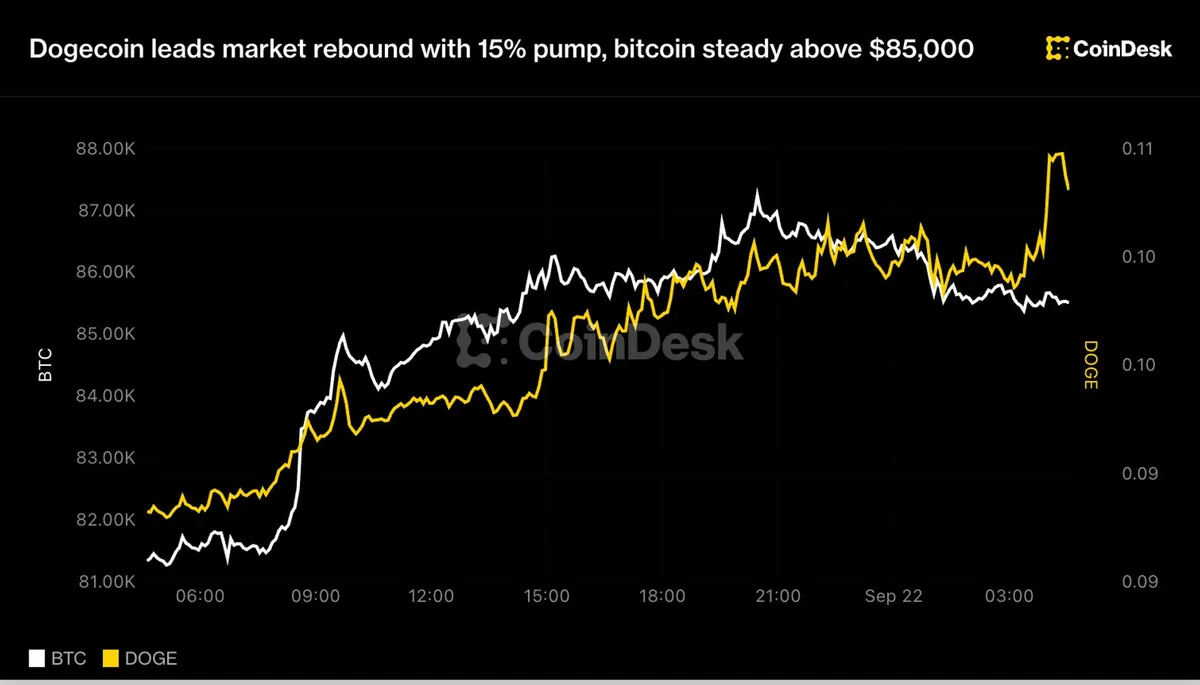
Dogecoin's 15% surge drives market recovery as bitcoin stabilizes above $85,000

Cardano adds tools for AI agent payments, joining Solana and XRP Ledger

Trueo prediction market moves from Base to Ethereum