Tokenized perpetual swaps hit $31 billion weekly volume on commodities volatility
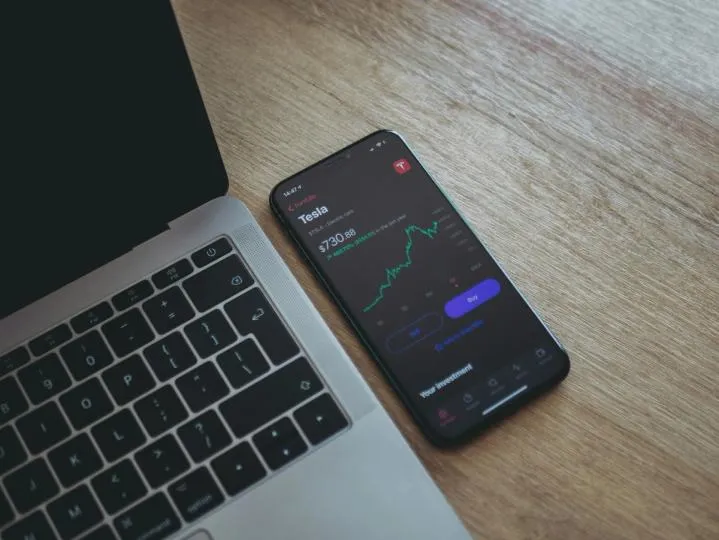
Tokenized perpetual swaps have made a significant impact on the trading landscape, as recent reports indicate that weekly volumes reached an impressive $31 billion. This surge has been primarily driven by heightened volatility in commodities markets, particularly spurred by geopolitical tensions affecting oil prices. Notably, oil trading alone accounted for $6.9 billion of the total volume, showcasing the influence of external factors on investor behavior. The stock market also saw a remarkable increase, with perpetual swaps growing by 908% to approximately $4.9 billion, highlighting a growing interest in this trading instrument across various asset classes.
The rise of tokenized perpetual swaps can be traced back to the increasing adoption of blockchain technology in finance, which has enabled more efficient and transparent trading mechanisms. As traditional markets grapple with uncertainty–especially in the wake of global events–traders are increasingly turning to innovative solutions that offer flexibility and leverage. The concept of perpetual swaps, where contracts do not have an expiration date, allows traders to capitalize on short-term price movements without the constraints of traditional futures contracts. This flexibility is particularly appealing in volatile markets, where rapid price shifts can offer lucrative opportunities.
The implications of this surge in trading volume are profound for the broader cryptocurrency and financial markets. With commodities experiencing significant price fluctuations, the increased activity in tokenized perpetual swaps reflects a shift in how traders are approaching risk management and speculation. This trend may lead to a greater integration of crypto-based financial products into mainstream trading strategies, potentially attracting institutional investors who have been cautious in the past. As more capital flows into these tokenized instruments, we could witness a transformation in market dynamics, where cryptocurrencies play an integral role in how traders navigate volatility.
Industry reactions to this development have been mixed, with some experts praising the innovation and others expressing concerns about the potential risks associated with high leverage and speculative trading. Many analysts believe that the growth of tokenized perpetual swaps could lead to more efficient price discovery in volatile markets, while others warn that the rapid influx of new traders may contribute to increased market manipulation and volatility. Notably, some industry leaders advocate for clearer regulatory frameworks to ensure the safety and integrity of these trading platforms, emphasizing the need for investor education amid this rapidly evolving landscape.
Looking ahead, the momentum in tokenized perpetual swaps is likely to continue, especially if geopolitical tensions and economic uncertainties persist. As traders seek to navigate these challenges, the demand for versatile and innovative trading products will only grow. We may also see a push for further development and refinement of these instruments, alongside regulatory advancements that aim to protect investors while fostering innovation. The coming months will be crucial in determining how this segment of the market evolves, potentially reshaping the way commodities and equities are traded in the digital age.

CoinMagnetic Team
Crypto investors since 2017. We trade with our own money and test every exchange ourselves.
Updated: April 2026
From our insights:
Related news

Arch Lending eyes tokenized stocks as next collateral market
Bitcoin rallies alongside record Nasdaq as oil prices decline on Iran prospects

European central banks push to expand stablecoin yield ban to crypto lending and staking

CME introduces Bitcoin Cash and Uniswap futures amid growing demand for crypto derivatives

Solstice CEO predicts less volatile future for crypto cycles amid liquidity growth