The Quantum Threat to Bitcoin Dividing Crypto

Recent discussions in the crypto community have been sparked by the publication of two influential papers addressing the potential threat posed by quantum computing to Bitcoin and other cryptocurrencies. The term “Q-day” refers to the anticipated day when quantum computers become powerful enough to break the cryptographic algorithms that secure digital assets. These papers outline the vulnerabilities inherent in current cryptographic practices and suggest that if quantum technology advances as projected, it could undermine the foundational security of Bitcoin and disrupt the entire crypto market.
The implications of this research are significant for the cryptocurrency landscape. As the fear of quantum computing's capabilities looms, it raises critical questions about the future of blockchain technology and the security measures currently in place. Investors and developers are now faced with the urgent need to consider quantum-resistant alternatives and prepare for a potential shift in the way digital assets are secured. This discourse may lead to increased volatility in the market as stakeholders reassess the risks associated with their investments in light of these findings.
Looking ahead, it will be essential for the crypto community to engage in proactive measures to mitigate the quantum threat. Researchers and developers may need to collaborate on creating more robust cryptographic frameworks that can withstand quantum attacks. Additionally, increased awareness and education on the topic of quantum computing will be crucial for both investors and the broader public to navigate this evolving landscape. The conversation surrounding quantum computing's impact on cryptocurrencies is likely to continue, prompting ongoing innovation and adaptation within the industry.

CoinMagnetic Team
Crypto investors since 2017. We trade with our own money and test every exchange ourselves.
Updated: April 2026
From our insights:
Related news

SoFi begins stablecoin settlement on Mastercard network for program expected to exceed $25 billion in annualized volume

A $3.2 million 'bitcoin butterfly' option trade bets on $95,000 by the end of October

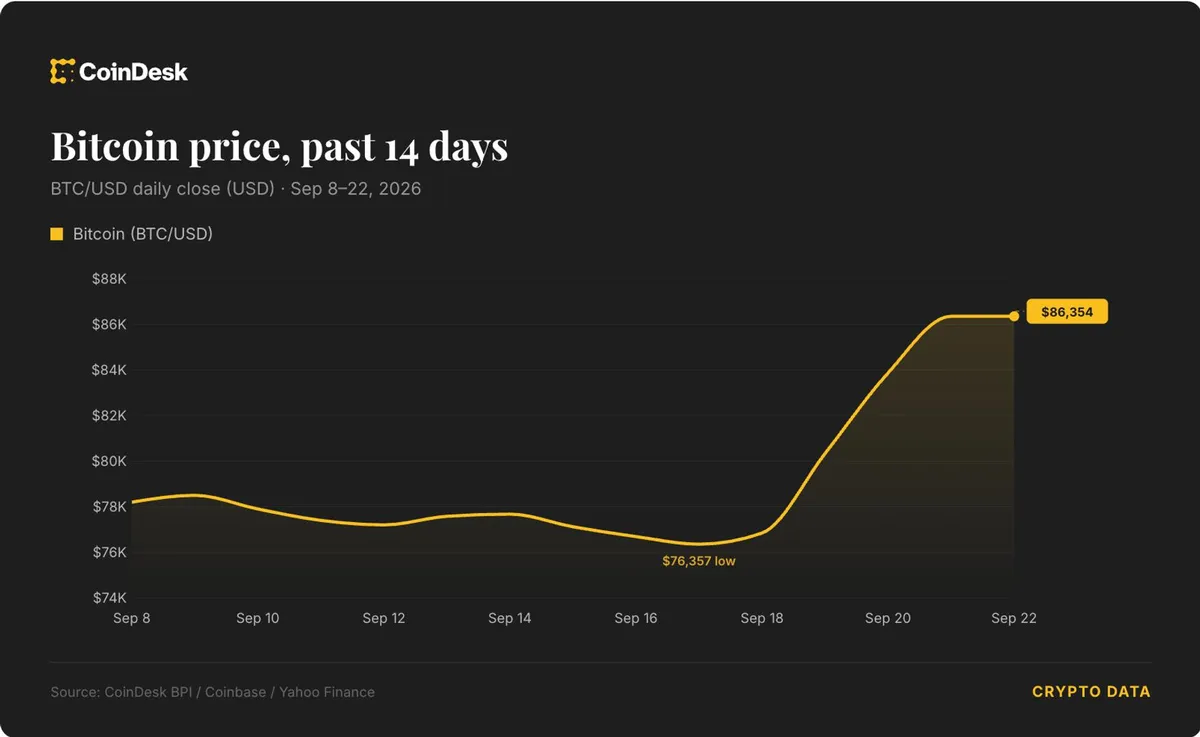
Bitcoin surges past $86,000 as $1 billion in shorts are liquidated, eyes on $90,000
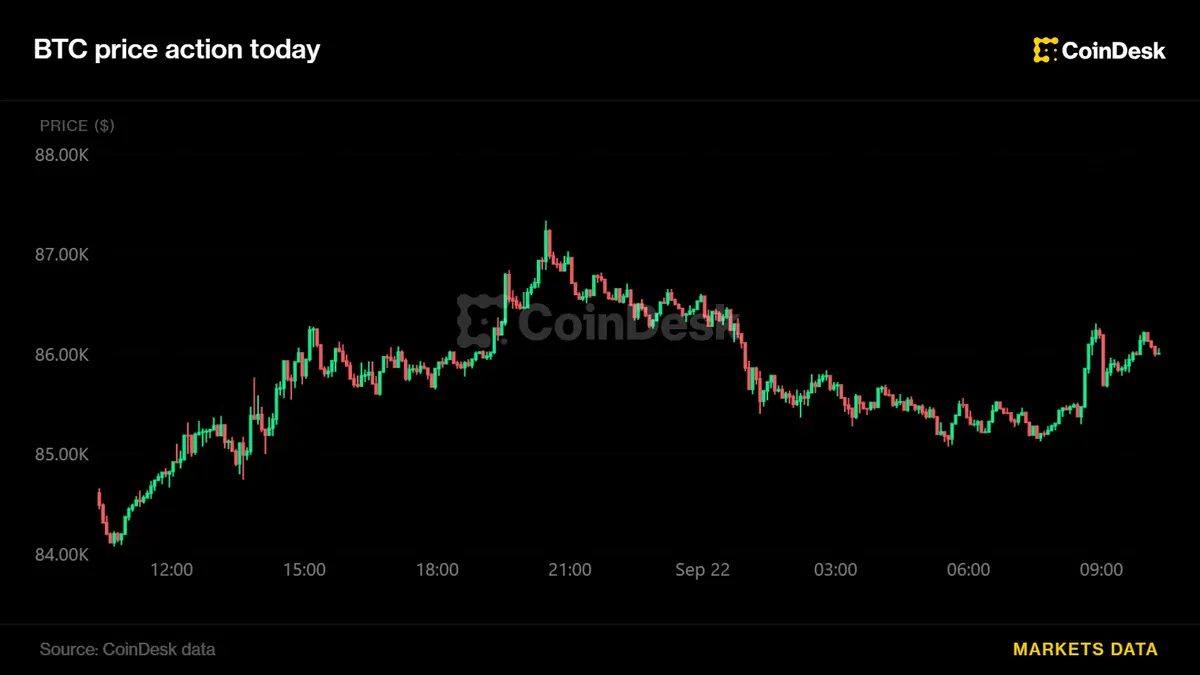
Bitcoin bounces back to $86,000 as oil prices decline and stocks rise

Prediction markets projected to reach $10 trillion by 2035, surpassing sports