The Protocol: Quantum computing could break Bitcoin sooner, says Google

Recent discussions have emerged around the potential threat that quantum computing poses to Bitcoin and other cryptocurrencies. A report from Google indicates that advancements in quantum technology could enable attackers to break the cryptographic algorithms that underpin Bitcoin’s security sooner than previously anticipated. This revelation has sparked a wider conversation within the crypto community regarding the vulnerabilities of existing blockchain technologies and the urgent need for more robust security measures. In parallel, we are witnessing other developments, such as OpenAI securing $122 billion in funding and various crypto ecosystems exploring post-quantum strategies to fortify their infrastructures.
The implications of quantum computing on Bitcoin and the broader cryptocurrency market are significant. If quantum attacks materialize before appropriate countermeasures are in place, it could undermine trust in Bitcoin and other digital assets, leading to market instability. Cryptocurrencies rely heavily on cryptographic security, and the emergence of quantum capabilities could accelerate the need for a transition to quantum-resistant algorithms. This situation may catalyze innovation in blockchain technology, pushing developers and companies to prioritize quantum security in their future projects.
Looking ahead, it is essential for the cryptocurrency industry to proactively address these challenges. As research and development in quantum computing continue to advance, we expect to see increased collaboration among blockchain developers, researchers, and policy-makers to establish guidelines and frameworks aimed at ensuring the resilience of cryptocurrencies against quantum threats. The roadmap for Base in 2026 may also reflect these priorities as it adapts to a rapidly evolving technological landscape. The coming years will be crucial in determining how the crypto market navigates these unprecedented challenges.

CoinMagnetic Team
Crypto investors since 2017. We trade with our own money and test every exchange ourselves.
Updated: April 2026
From our insights:
Related news
ZetaChain votes to shut down Layer 1 network and move ZETA to Solana

Solana reduces block times by 17% with latest upgrade, boosting transaction freshness

Optimism secures upgrade for Superchain to enable interoperability
Solana boosts transaction size by 3x amid surge in network activity
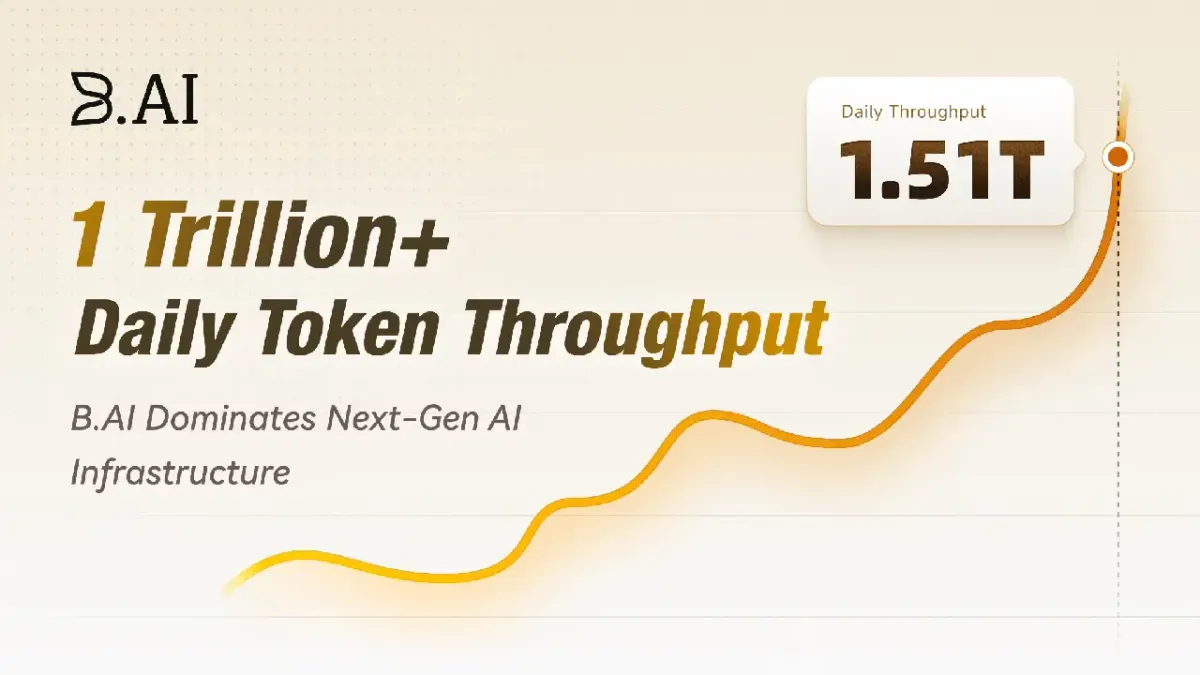
B.AI achieves record 1.51 trillion tokens daily throughput for AI infrastructure