Stablecoin FX nears ‘institutional-grade’ parity with bank rails in LATAM and East Africa: report

Recent reports indicate that stablecoin foreign exchange (FX) is rapidly approaching an "institutional-grade" level of performance compared to traditional banking rails in critical regions such as Latin America (LATAM) and East Africa. This development suggests that stablecoins are not only gaining traction among individual users but are also becoming increasingly viable for institutional applications. The findings from Borderless Data highlight a growing parity between these digital currencies and conventional banking services, potentially revolutionizing how financial transactions are conducted in these emerging markets.
The background of this shift can be traced to the inherent advantages of stablecoins, including lower transaction fees, faster settlement times, and enhanced accessibility. Traditional banking systems in LATAM and East Africa have often been criticized for their high costs and inefficiencies, leaving a substantial portion of the population unbanked or underbanked. The increasing adoption of stablecoins–backed by fiat currencies–presents an attractive alternative for businesses and consumers alike, allowing them to bypass some of the limitations of established banking systems. With the rise of digital finance and blockchain technology, these regions are witnessing a transformation in their financial landscapes.
This development is significant for the broader market as it underscores the increasing legitimacy and utility of stablecoins within the financial ecosystem. As stablecoin FX approaches parity with bank rails, it could lead to enhanced liquidity and greater participation from institutional players. This could further drive the adoption of digital currencies in mainstream finance, encouraging more significant investments and innovation in the crypto space. Such a shift could also catalyze regulatory discussions, with authorities needing to address the implications of a parallel financial system emerging alongside traditional banks.
Industry reaction to this news has been mixed, with many experts expressing optimism about the potential for stablecoins to enhance financial inclusion and efficiency. Some commentators have pointed out that while the advancements are promising, there are still challenges to overcome, such as regulatory hurdles and the need for robust infrastructure to support widespread adoption. Nevertheless, the general sentiment is that as stablecoins continue to gain traction, they could play a crucial role in reshaping the financial services landscape, particularly in regions with underdeveloped banking systems.
Looking ahead, one of the critical questions will be how regulators in LATAM and East Africa respond to the growth of stablecoin FX. As these digital currencies gain prominence, regulatory frameworks may need to evolve to ensure consumer protection and financial stability. Additionally, the pace of technological advancements and the willingness of traditional banks to adapt to this new paradigm will significantly influence the future trajectory of stablecoins in these regions. The coming months will likely shed light on how this space develops and whether stablecoins can truly achieve the level of institutional-grade acceptance they are approaching.

CoinMagnetic Team
Crypto investors since 2017. We trade with our own money and test every exchange ourselves.
Updated: April 2026
From our insights:
Related news
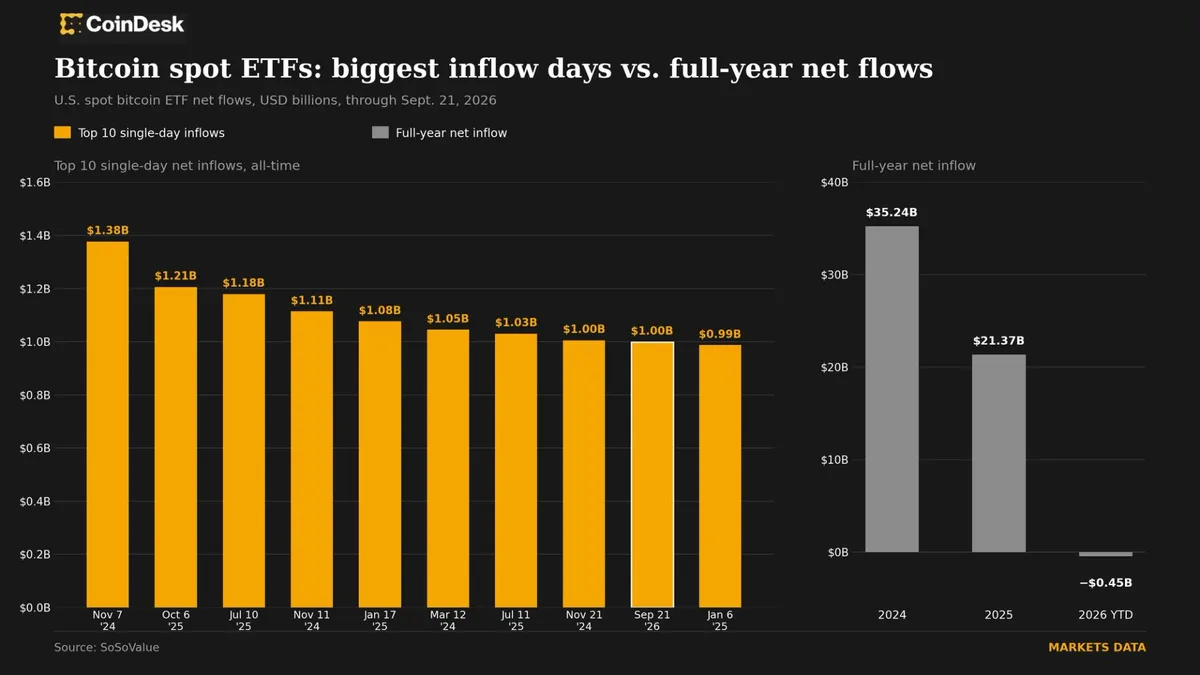
Spot bitcoin ETFs see nearly $1 billion inflow as bitcoin hits January highs

US spot Bitcoin ETFs see nearly $1 billion inflow, highest since October 2025

Bitcoin's rise to $86,000 restores profitability for ETF investors

Apple and Google seek crypto experts, signaling potential stablecoin initiatives

ECB initiates bond purchases using its own funds in crypto-linked system