SoFi expands into institutional finance with integrated crypto services

SoFi, the well-known financial technology company, has recently announced its expansion into institutional finance by launching integrated cryptocurrency services. This new platform is designed to enable companies to hold funds, move money, and settle transactions in both fiat and cryptocurrency within a single regulated system. By streamlining these processes, SoFi aims to cater to the growing demand for digital asset management and trading capabilities among institutional investors and businesses. This move marks a significant step for SoFi as it broadens its offerings beyond consumer financial products, positioning itself as a more comprehensive financial service provider.
The expansion into institutional finance aligns with the broader trend of increasing adoption of cryptocurrencies by mainstream financial entities. Over the past few years, more institutions have begun to recognize the potential of digital assets, leading to a surge in demand for integrated financial solutions that accommodate both traditional currencies and cryptocurrencies. SoFi's initiative comes at a time when regulatory clarity surrounding digital assets is gradually improving, making it easier for established financial institutions to explore cryptocurrency services without facing the same level of risk or uncertainty that characterized earlier market conditions.
This development is significant for the market for several reasons. Firstly, it underscores the growing acceptance of cryptocurrencies in the financial ecosystem, as institutional players seek to leverage the benefits of digital assets. Moreover, by providing a regulated platform for managing cryptocurrencies alongside fiat transactions, SoFi could help to bridge the gap between traditional finance and the crypto world. This could potentially lead to increased liquidity and stability in the market, as more businesses feel confident in integrating digital currencies into their operations.
Industry reactions to SoFi's announcement have been largely positive, with experts noting that the move signals a maturation of the cryptocurrency market. Many believe that as more fintech companies like SoFi venture into this space, it could foster greater innovation and competition within the sector. Some analysts emphasize the importance of having a regulated environment for cryptocurrencies, as it can enhance trust and security among institutional investors. The ability to conduct transactions in a single platform may also attract businesses that have been hesitant to engage with cryptocurrencies due to the complexities involved.
Looking ahead, we anticipate that SoFi's entry into institutional finance will prompt other fintech firms to consider similar expansions into the crypto space. As the regulatory landscape continues to evolve, the demand for integrated solutions is likely to grow. We may also see more collaborations between traditional financial institutions and fintech companies, aiming to create comprehensive services that cater to the diverse needs of institutional clients. This could ultimately lead to a more robust and interconnected financial ecosystem that embraces both fiat and cryptocurrencies as standard components of modern finance.

CoinMagnetic Team
Crypto investors since 2017. We trade with our own money and test every exchange ourselves.
Updated: April 2026
From our insights:
Related news
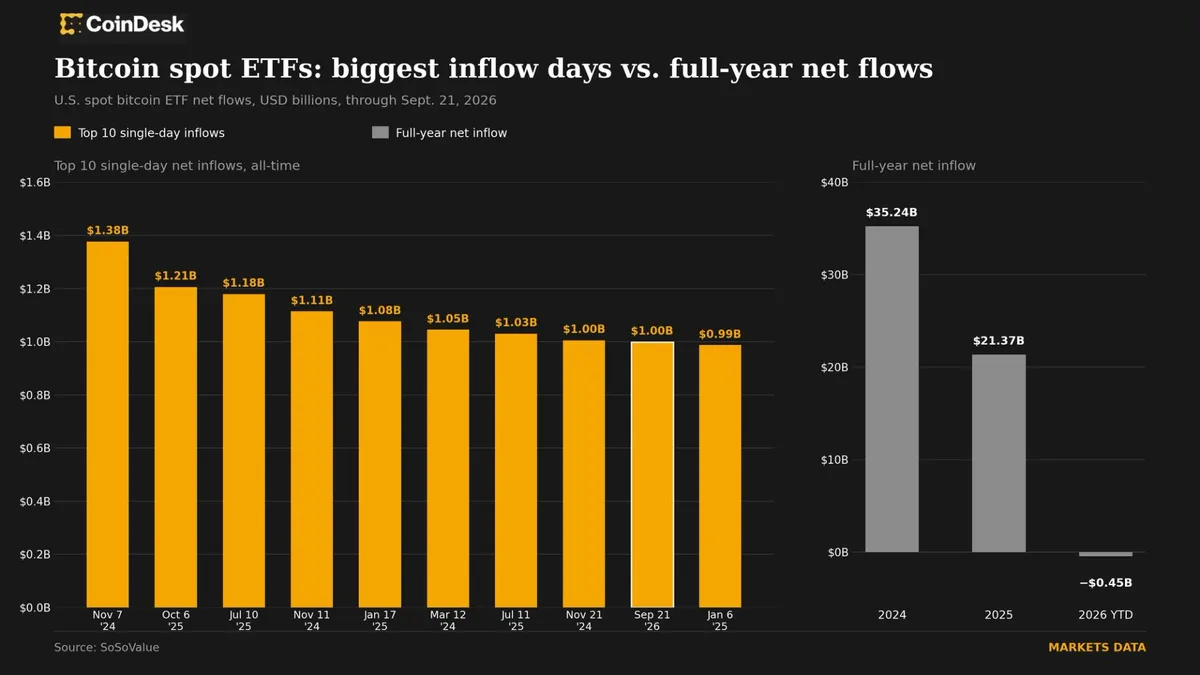
Spot bitcoin ETFs see nearly $1 billion inflow as bitcoin hits January highs

US spot Bitcoin ETFs see nearly $1 billion inflow, highest since October 2025

Bitcoin's rise to $86,000 restores profitability for ETF investors
Apple and Google seek crypto experts, signaling potential stablecoin initiatives

ECB initiates bond purchases using its own funds in crypto-linked system