Polymarket takes down market on missing US pilot after backlash

Polymarket, a decentralized prediction market platform, has recently made headlines by shutting down a market that speculated on the fate of a missing U.S. pilot. The decision to remove the market was attributed to the platform's "integrity standards," although the specific rule that was allegedly violated was not disclosed. This move came in response to mounting backlash from users who expressed concerns about the ethical implications of profiting from tragedies such as a missing person case. The lack of transparency regarding the policies under which the market was removed has led to further scrutiny and debate among the platform's user base.
The context behind this decision highlights the ongoing struggle within the prediction market space to balance speculative betting with ethical considerations. As platforms like Polymarket gain traction, they are increasingly faced with questions about the morality of certain markets–especially those that revolve around sensitive subjects such as health crises, accidents, or missing persons. In the past, prediction markets have thrived on the promise of allowing users to bet on the outcomes of various real-world events, but this case illustrates the fine line these platforms must walk to maintain credibility and user trust.
This incident has significant implications for the broader market landscape. As prediction markets gain more mainstream attention, issues like these can influence regulatory scrutiny and user confidence. A failure to address ethical concerns may not only alienate users but could also attract the attention of regulators looking to impose stricter guidelines on such platforms. The removal of the market on the missing pilot may serve as a cautionary tale for other prediction platforms, reinforcing the need for clear policies and ethical standards when dealing with sensitive topics.
Industry experts have weighed in on the matter, with many emphasizing the need for better communication from platforms regarding their decision-making processes. Some analysts argue that the lack of clarity surrounding Polymarket's integrity standards could undermine user trust, while others suggest that the platform's swift response to backlash demonstrates a commitment to ethical practices. The incident has sparked discussions about how prediction markets can and should operate in a world where the line between speculation and insensitivity can sometimes blur.
Looking ahead, it will be crucial for Polymarket, and similar platforms, to establish clear guidelines that not only address ethical concerns but also reassure users about the integrity of their markets. Transparency in decision-making, as well as a well-defined framework for what constitutes acceptable betting topics, may help prevent future controversies. As the prediction market landscape continues to evolve, platforms will need to navigate these challenges carefully to ensure their long-term viability and reputation in an increasingly competitive environment.

CoinMagnetic Team
Crypto investors since 2017. We trade with our own money and test every exchange ourselves.
Updated: April 2026
From our insights:
Related news
Iran hints at reopening Strait of Hormuz, WTI oil drops to $89

New altseason signal emerges as Bitcoin market cap stays under 60%

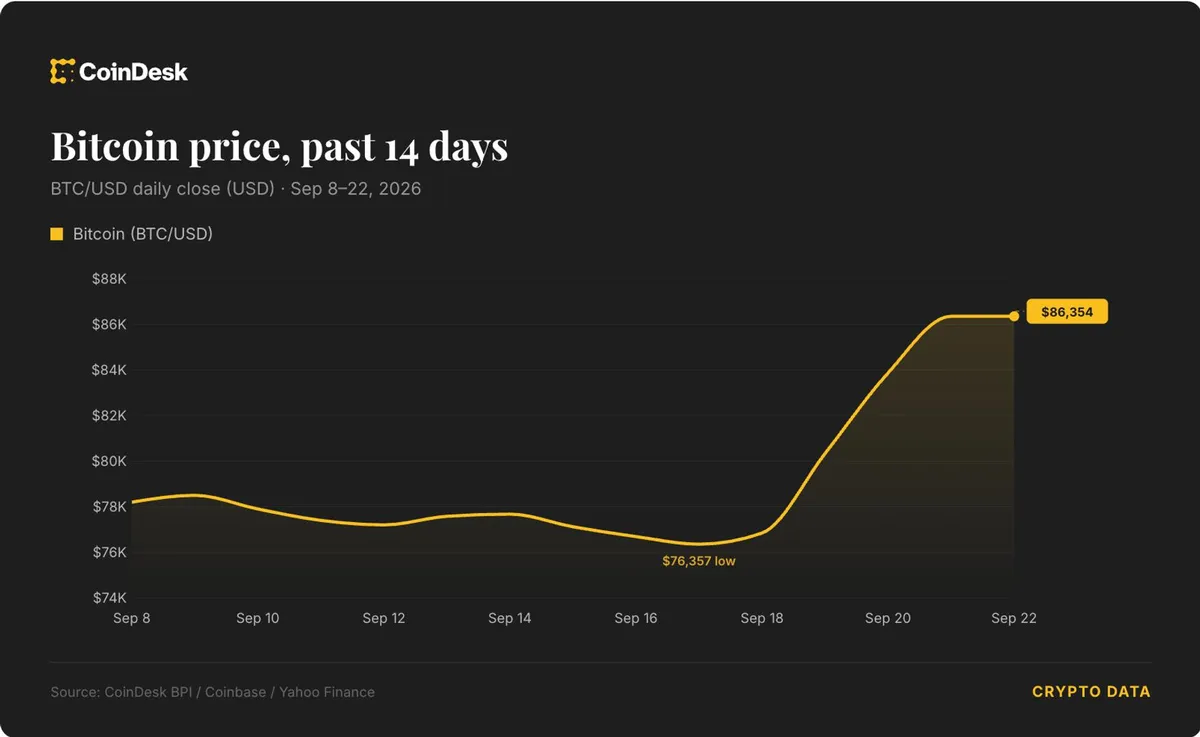
Bitcoin nears $86,000 as crypto market cap surpasses $3 trillion

Bitcoin's weekly close above $81,000 signals potential rise to $90,000

Elon Musk's X integrates bitcoin trading options for U.S. users