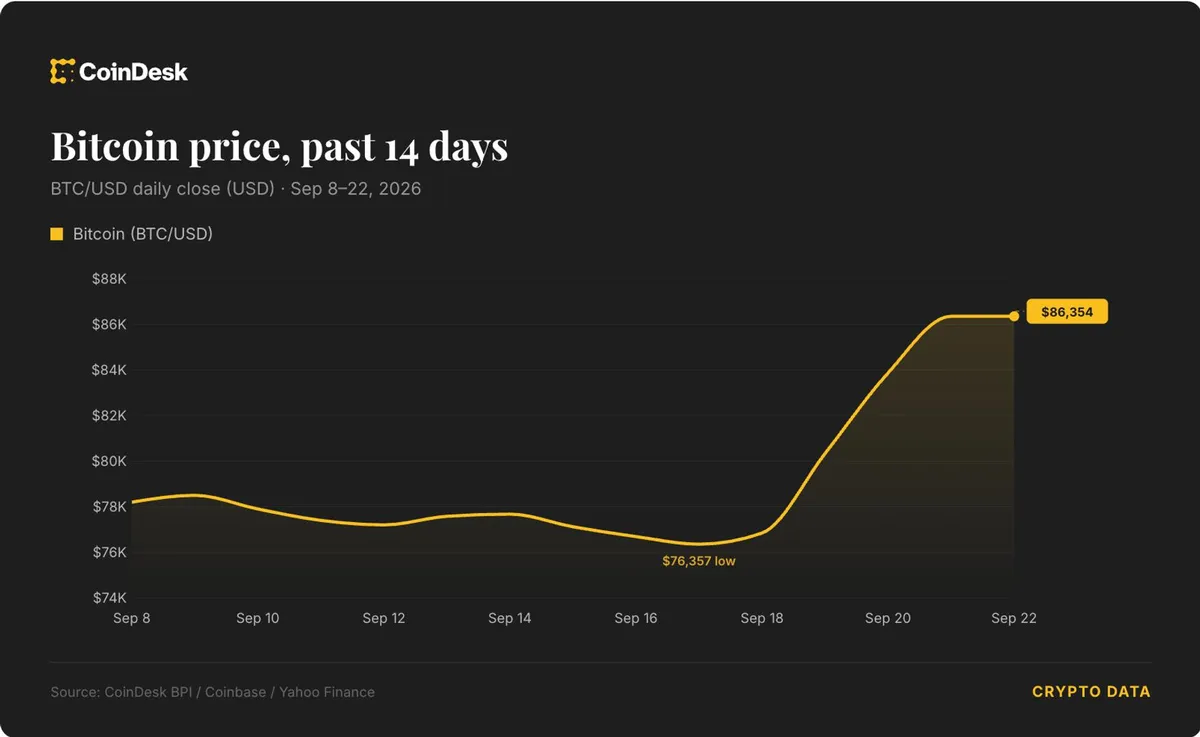
Morning Minute: Iran Wants Bitcoin to Let Oil Tankers Through the Strait
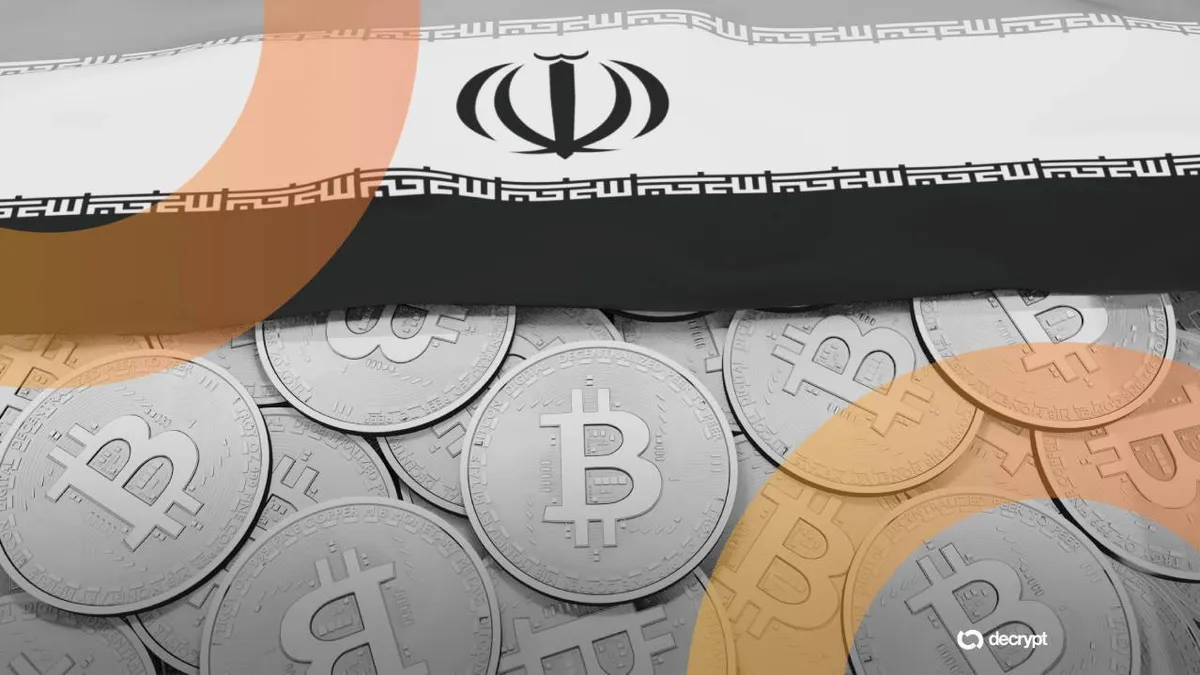
In a significant development for the cryptocurrency landscape, Iran is reportedly considering the acceptance of Bitcoin as a means for oil tankers to pass through the strategically vital Strait of Hormuz. This news underscores Iran's ongoing attempts to navigate economic sanctions and trade challenges by leveraging cryptocurrency. By allowing oil tankers to transact in Bitcoin, Iran aims to enhance its revenue stream from oil exports while bypassing traditional banking systems that have been restricted due to international sanctions. This move, if executed, could have profound implications for both the oil and cryptocurrency markets, opening new avenues for trade and financial transactions.
To understand the context behind this potential shift, it is essential to recognize the geopolitical landscape surrounding Iran. The country has faced stringent sanctions from various nations, particularly the United States, which have significantly hindered its ability to export oil. As a result, Iran has been exploring alternative financial mechanisms to bolster its economy, with cryptocurrencies emerging as a promising solution. The Strait of Hormuz is a critical chokepoint for global oil supply, making any change in how oil transactions are conducted there particularly noteworthy. This decision could signal a broader trend of countries seeking to use digital currencies as a means to counteract the effects of sanctions and maintain economic stability.
The implications of Iran accepting Bitcoin for oil tanker passage could ripple through both the cryptocurrency and oil markets. For Bitcoin, this could enhance its legitimacy as a medium of exchange for global trade, potentially encouraging other countries to adopt similar practices. Moreover, the increased demand for Bitcoin to facilitate such transactions may drive up its value and create further interest in cryptocurrency investments. On the oil side, this development could lead to a shift in how oil trades are conducted, possibly influencing pricing mechanisms and making it easier for other nations to engage in oil commerce without the constraints of traditional financial systems.
Industry reactions to this potential development have been mixed. Some experts view it as a bold move that could pave the way for greater acceptance of cryptocurrencies in international trade. Others, however, raise concerns about the legal and regulatory implications of such transactions, as well as the potential for increased volatility in Bitcoin's price. Additionally, there are questions about how various stakeholders, including oil-importing nations and financial institutions, will respond to the prospect of oil transactions being conducted in Bitcoin.
Looking ahead, it remains to be seen how Iran will implement this strategy and what impact it will have on the global stage. If this initiative gains traction, it may encourage other countries facing similar sanctions to consider adopting cryptocurrency for trade. Moreover, as Bitcoin ETFs continue to gain momentum–evidenced by Morgan Stanley's recent involvement–the interplay between traditional financial instruments and cryptocurrencies may evolve further, influencing market dynamics in unpredictable ways. As developments unfold, stakeholders in both the oil and cryptocurrency sectors will be closely monitoring the situation.

CoinMagnetic Team
Crypto investors since 2017. We trade with our own money and test every exchange ourselves.
Updated: April 2026
From our insights:
Related news

SoFi begins stablecoin settlement on Mastercard network for program expected to exceed $25 billion in annualized volume

A $3.2 million 'bitcoin butterfly' option trade bets on $95,000 by the end of October
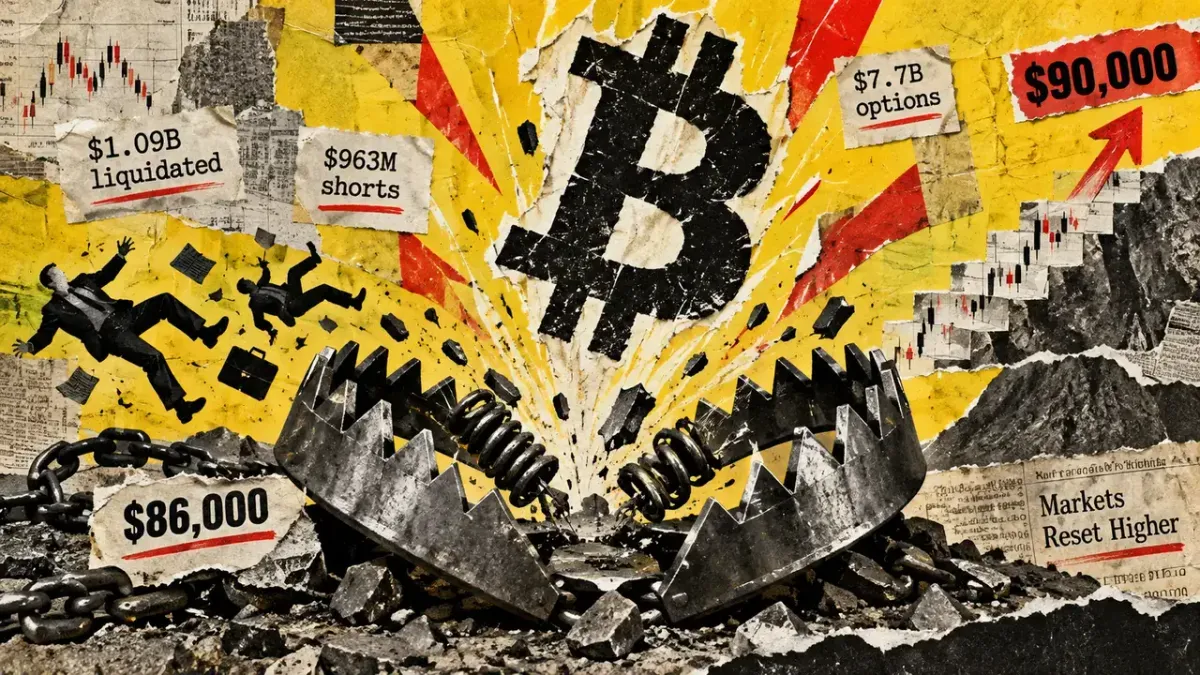
Bitcoin surges past $86,000 as $1 billion in shorts are liquidated, eyes on $90,000
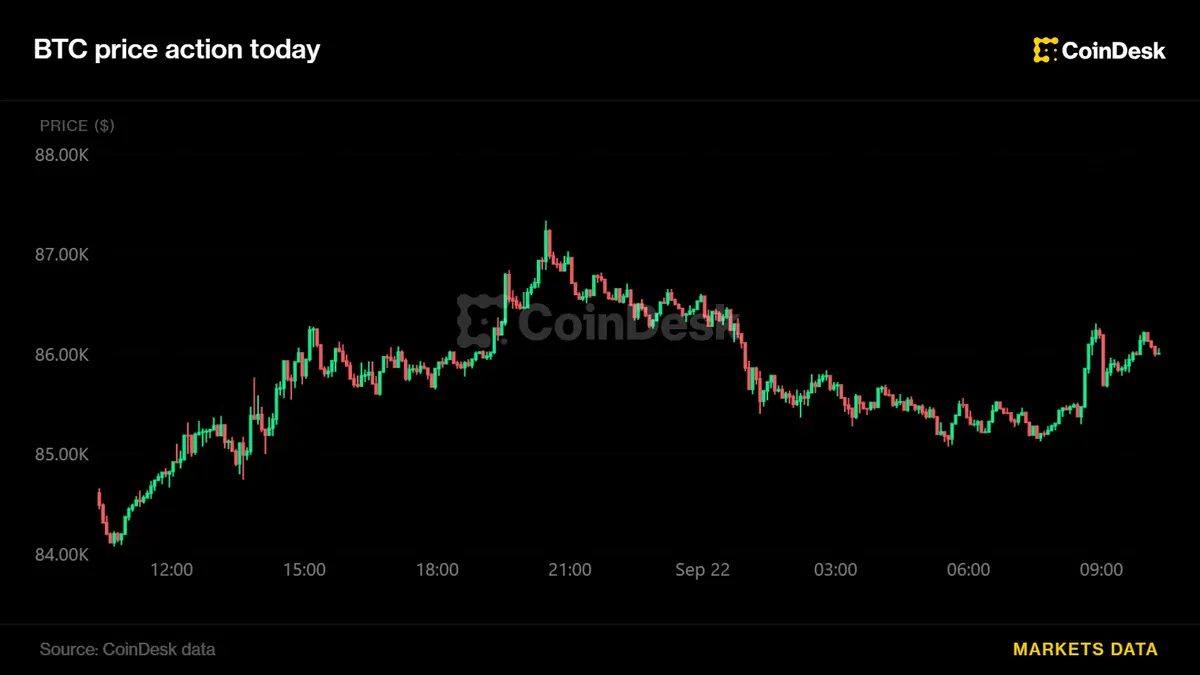
Bitcoin bounces back to $86,000 as oil prices decline and stocks rise

Prediction markets projected to reach $10 trillion by 2035, surpassing sports