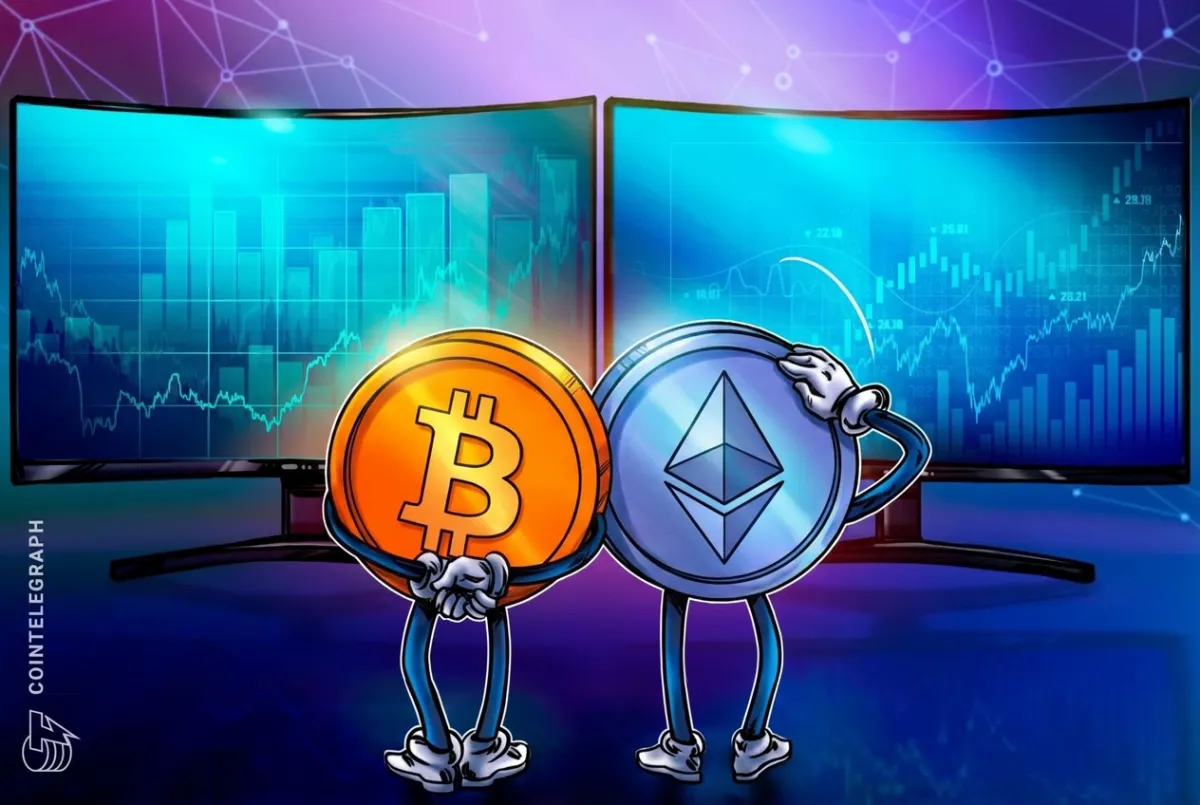
Is Bitcoin mispricing a prolonged Iran war? Ex-hedge fund manager weighs in

In a recent interview with Cointelegraph, macro investor James Lavish offered his insights into the market's perception of the ongoing conflict in Iran and its implications for Bitcoin. Lavish argues that current market sentiment appears to be overly optimistic, suggesting a swift resolution to the war. This perception could lead to significant mispricing, particularly for Bitcoin, as investors may not be fully accounting for the potential for a prolonged conflict. Lavish points out that if the situation escalates or drags on longer than anticipated, it could lead to a surge in demand for Bitcoin as a safe haven asset.
To understand Lavish's perspective, it's essential to consider the broader context surrounding the Iran war. Tensions in the region have been escalating for some time, and the geopolitical landscape remains highly volatile. Investors often look for quick resolutions in conflict situations, which can drive market sentiment and influence asset prices. However, history has shown that wars can extend longer than expected, and the economic ramifications can be far-reaching. This backdrop sets the stage for Lavish's argument that the current pricing of Bitcoin may not adequately reflect the risks associated with a protracted conflict.
The implications of Lavish's insights are significant for the cryptocurrency market, especially Bitcoin. If the market is indeed underestimating the potential for prolonged instability in the region, we could see increased volatility in Bitcoin prices. Historically, Bitcoin has been viewed as a hedge against geopolitical risks and inflation. As investors reassess their strategies in light of potential prolonged conflicts, demand for Bitcoin may rise, driving prices upward. Conversely, if the war concludes sooner than expected, we may witness a market correction as speculative investments are unwound.
Industry reactions to Lavish's comments have been mixed, with some experts agreeing that the market is overly optimistic, while others believe that a quick resolution is still possible. Analysts have noted that the sentiment surrounding Bitcoin is heavily influenced by macroeconomic factors, including geopolitical tensions. Some industry insiders emphasize the need for investors to remain vigilant and prepared for shifts in market sentiment, particularly in light of Lavish's warnings. The ongoing conflict in Iran serves as a crucial reminder of how external factors can impact the cryptocurrency landscape.
Looking ahead, it remains to be seen how the situation in Iran will unfold and what impact it will have on the cryptocurrency market. If tensions escalate or a prolonged conflict develops, we could see a significant shift in investor behavior, potentially leading to increased adoption of Bitcoin as a safe haven. Conversely, should diplomatic solutions emerge, market dynamics could shift once again. As the situation develops, it will be essential for investors to stay informed and consider the broader implications of geopolitical events on their portfolios.

CoinMagnetic Team
Crypto investors since 2017. We trade with our own money and test every exchange ourselves.
Updated: April 2026
From our insights:
Related news
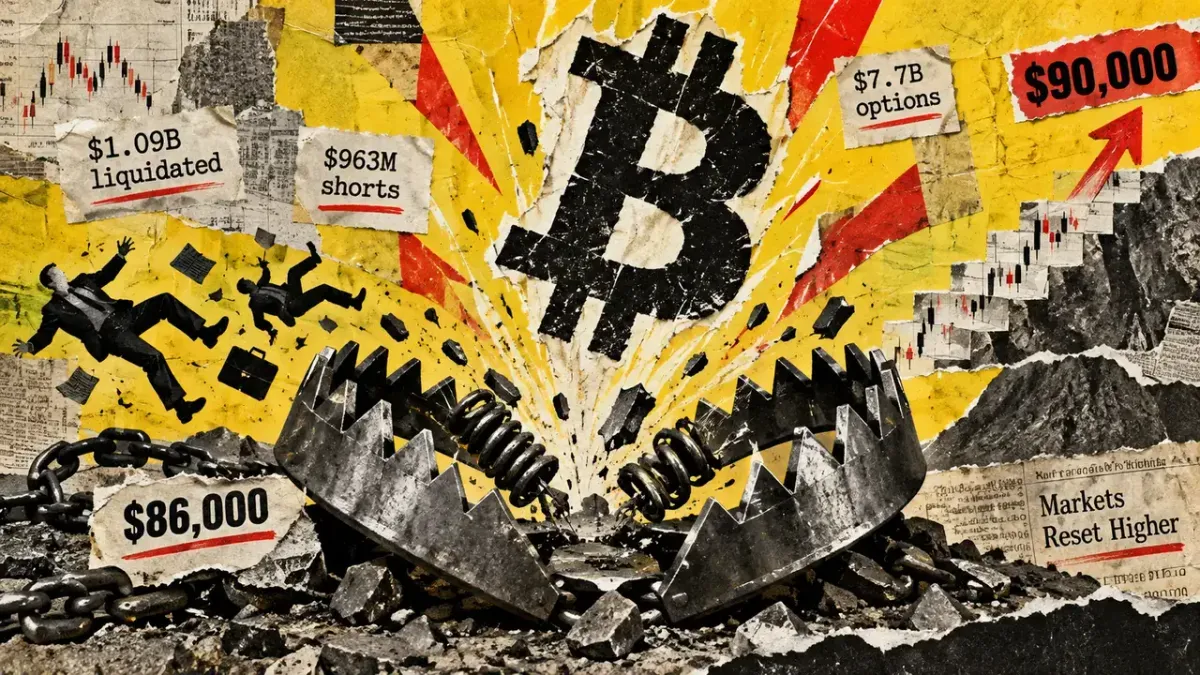
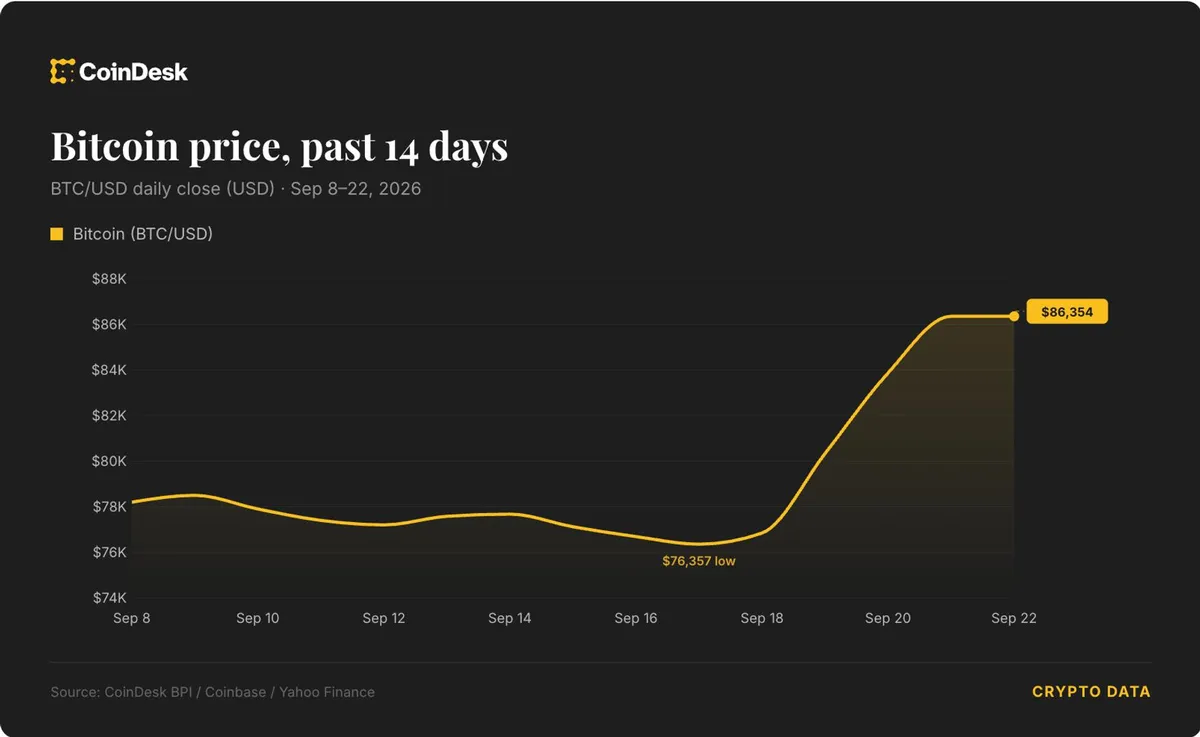
Bitcoin surges past $86,000 as $1 billion in shorts are liquidated, eyes on $90,000
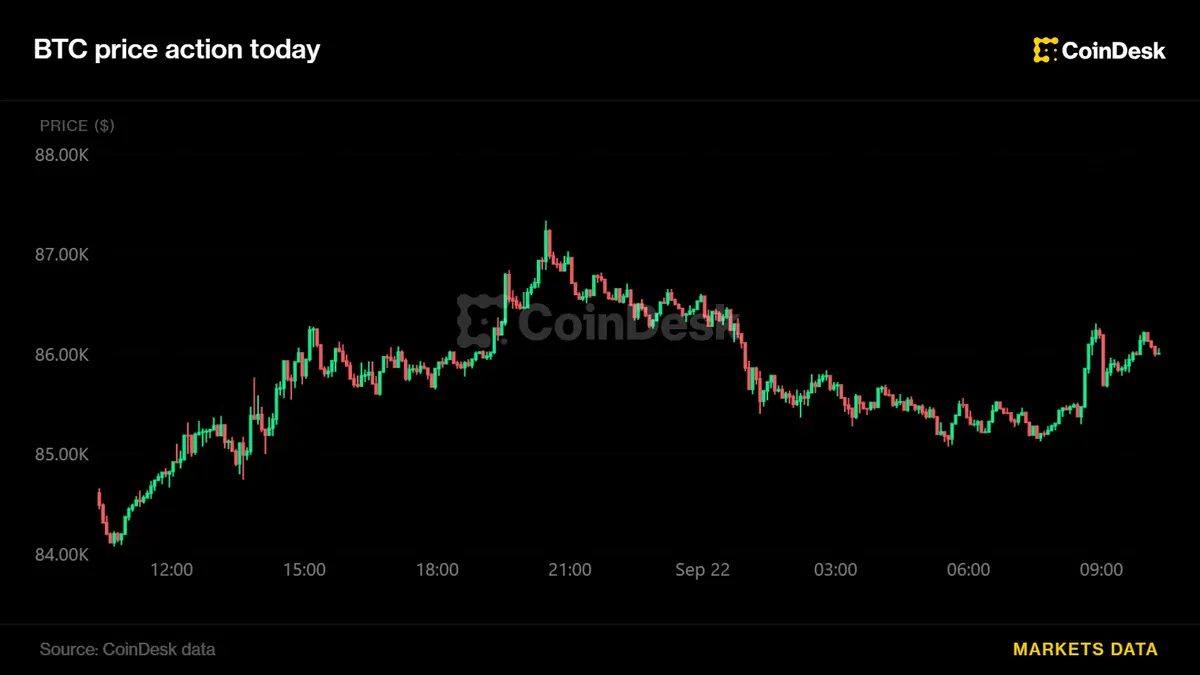
Bitcoin bounces back to $86,000 as oil prices decline and stocks rise

Prediction markets projected to reach $10 trillion by 2035, surpassing sports
Iran hints at reopening Strait of Hormuz, WTI oil drops to $89
New altseason signal emerges as Bitcoin market cap stays under 60%