IMF warns tokenization could bring crypto risks into global financial markets

The International Monetary Fund (IMF) has recently issued a significant warning regarding the potential risks associated with the tokenization of assets in the financial markets. According to a new report, this emerging trend could lead to increased volatility, especially through the use of automated markets and smart contracts. The IMF emphasized that while tokenization holds promise for improving efficiency and transparency in financial transactions, it also brings with it a unique set of risks that could disrupt traditional financial systems. This cautionary stance has sparked debates within the industry regarding the balance between innovation and risk management.
Tokenization refers to the process of converting rights to an asset into a digital token on a blockchain. It has gained traction in recent years as more financial institutions and businesses explore the benefits of digitizing assets like real estate, art, and various financial instruments. The IMF's report highlights a key concern: the automation inherent in tokenized markets may lead to rapid price fluctuations, driven by algorithms and smart contracts that operate without human intervention. This could result in scenarios where market corrections happen too quickly or too unpredictably, exposing investors to higher levels of risk.
The implications of the IMF's warning for the broader market are significant. As tokenization continues to integrate into traditional finance, the potential for amplified volatility could deter institutional investors who are wary of the unpredictability associated with cryptocurrencies. The report underscores the need for regulatory frameworks that can manage and mitigate these risks, ensuring that the benefits of tokenization do not come at the expense of financial stability. If left unchecked, the risks highlighted by the IMF could lead to broader repercussions across global financial markets, creating a ripple effect that impacts investor confidence.
Reactions within the industry have been varied. Some experts acknowledge the IMF's concerns, advocating for a cautious approach to tokenization that prioritizes robust risk management strategies. Others argue that the benefits of tokenization far outweigh the risks, suggesting that proper regulation and oversight can mitigate potential pitfalls. Industry leaders are calling for a collaborative effort between regulators and market participants to establish guidelines that support innovation while protecting market integrity.
Looking ahead, the conversation around tokenization is likely to intensify as more entities enter the space and regulatory frameworks begin to take shape. The IMF's report serves as both a warning and a call to action for stakeholders across the financial spectrum. As the industry evolves, it will be crucial for all parties to remain engaged in discussions about how to harness the advantages of tokenization without compromising the stability of the financial system. The next steps will involve not only addressing the concerns raised but also exploring solutions that can effectively harness the transformative potential of this technology.

CoinMagnetic Team
Crypto investors since 2017. We trade with our own money and test every exchange ourselves.
Updated: April 2026
From our insights:
Related news

Bitcoin price targets $86K support as oil falls under $90
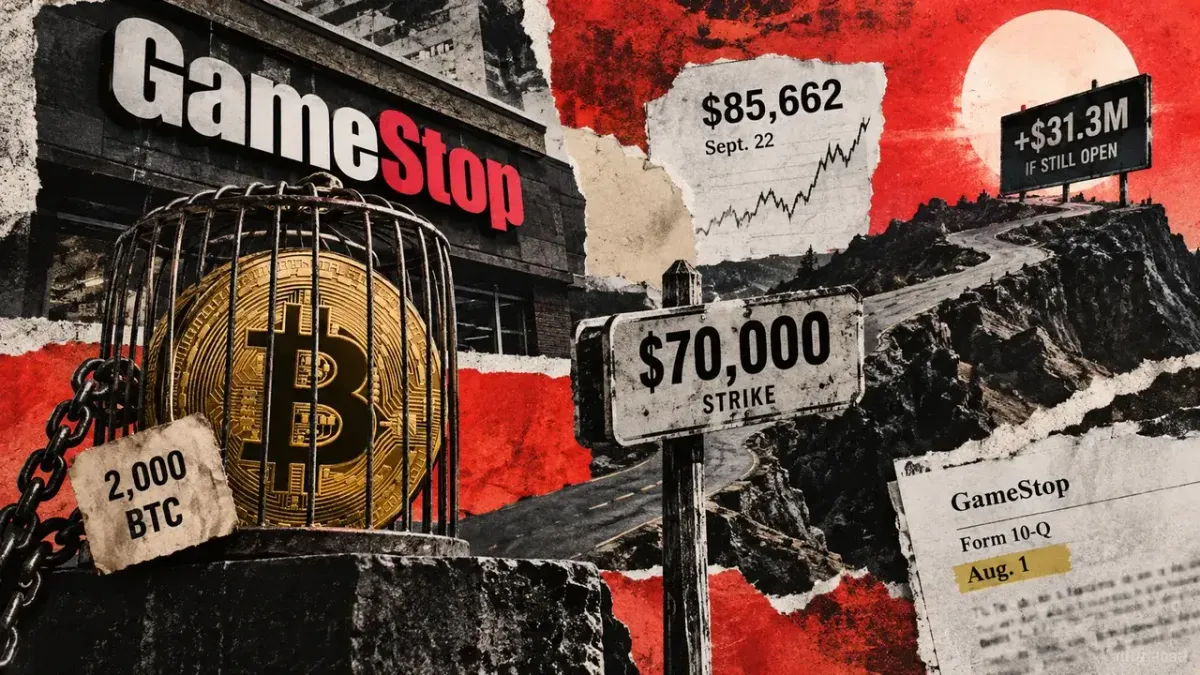
GameStop possibly forfeits $31 million in Bitcoin gains from options trade

Researchers trace 1.1 million Bitcoin to early miner but Satoshi's identity remains unclear

Bitcoin, ether perpetual volumes on Kalshi are dominated by an unusual, repetitive trade, data shows
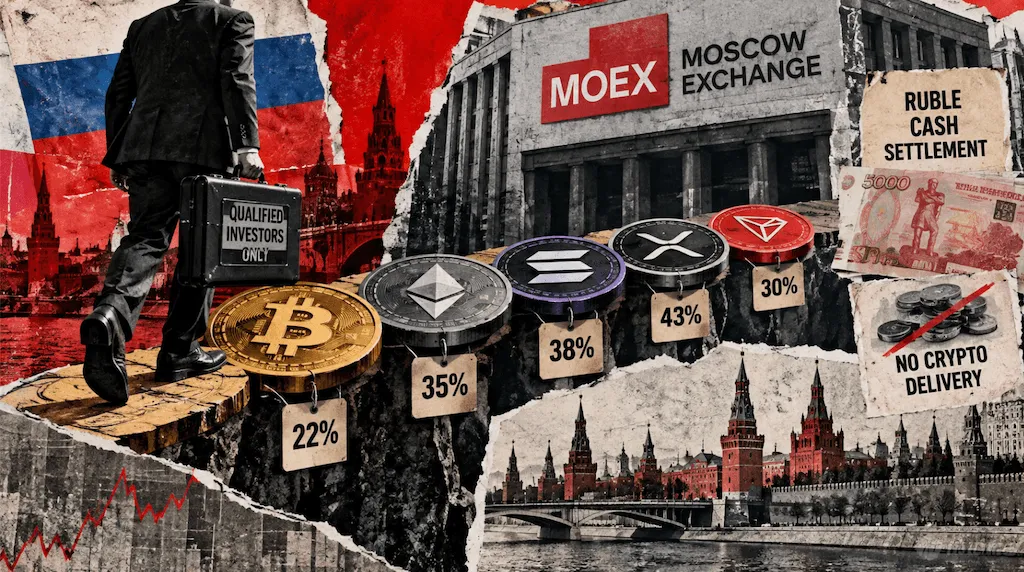
Moscow Exchange introduces 5 crypto perpetual futures amid 600 billion ruble demand