How institutions made Bitcoin a weekday market so retail takes on all the weekend risk

Recent observations in the cryptocurrency market reveal a significant shift in Bitcoin's liquidity patterns, with the asset now displaying a pronounced disparity between weekday and weekend trading. While Bitcoin is traditionally known for its 24/7 trading capability, the influx of institutional investment–especially through exchange-traded funds (ETFs)–has seemingly transformed its behavior. During New York trading hours, Bitcoin exhibits robust trading volumes and stability, indicative of institutional engagement. However, as Wall Street's trading desks close for the weekend, the market becomes noticeably more volatile and less liquid, leaving retail investors to shoulder the risks associated with these fluctuations.
This phenomenon is rooted in the evolving landscape of cryptocurrency investments, particularly the role of institutional players. Over the past few years, an increasing number of institutions have entered the crypto space, seeking exposure to Bitcoin's potential for growth. The launch of Bitcoin ETFs marked a pivotal moment, as they allowed traditional investors to participate in the market without directly managing digital assets. As institutions dominate weekday trading, their absence during weekends has left a liquidity vacuum, creating a challenging environment for retail traders who remain active during these periods.
The implications of this shift for the broader market are significant. As Bitcoin's weekend trading becomes more erratic, the risks associated with holding the asset during these times are amplified. Retail investors, who often lack the same resources and strategies as institutional traders, may find themselves vulnerable to sudden price swings and lower liquidity. This development could deter some retail participation during weekends or lead to increased caution in trading strategies, potentially impacting overall market dynamics and investor sentiment.
Industry reactions to this trend have been varied, with experts weighing in on the implications of a bifurcated market. Some analysts express concern that this trend could undermine Bitcoin’s appeal as a truly decentralized and accessible asset. Others argue that it highlights the need for better mechanisms to support liquidity during off-hours, suggesting that the market's reliance on institutional involvement could backfire for retail traders. Overall, the consensus appears to be that while institutional investment has bolstered Bitcoin's legitimacy, it has also introduced complexities that may require new solutions.
Looking ahead, the ongoing evolution of Bitcoin's market dynamics raises questions about what the future holds for both institutional and retail participants. As discussions around regulatory frameworks continue, there may be opportunities for innovative trading solutions that facilitate smoother weekend trading. Additionally, as more retail investors become aware of the inherent risks associated with off-hours trading, we may see a shift in their trading behaviors or the emergence of new platforms designed to cater to their needs. Ultimately, understanding how this weekday-weekend dichotomy evolves will be crucial for all market participants navigating the increasingly complex landscape of cryptocurrency trading.

CoinMagnetic Team
Crypto investors since 2017. We trade with our own money and test every exchange ourselves.
Updated: April 2026
From our insights:
Related news

21shares launches first European ETP for Zcash after US ETF debut

Bitcoin ETFs attract nearly $1B in a single day as holders regain profitability
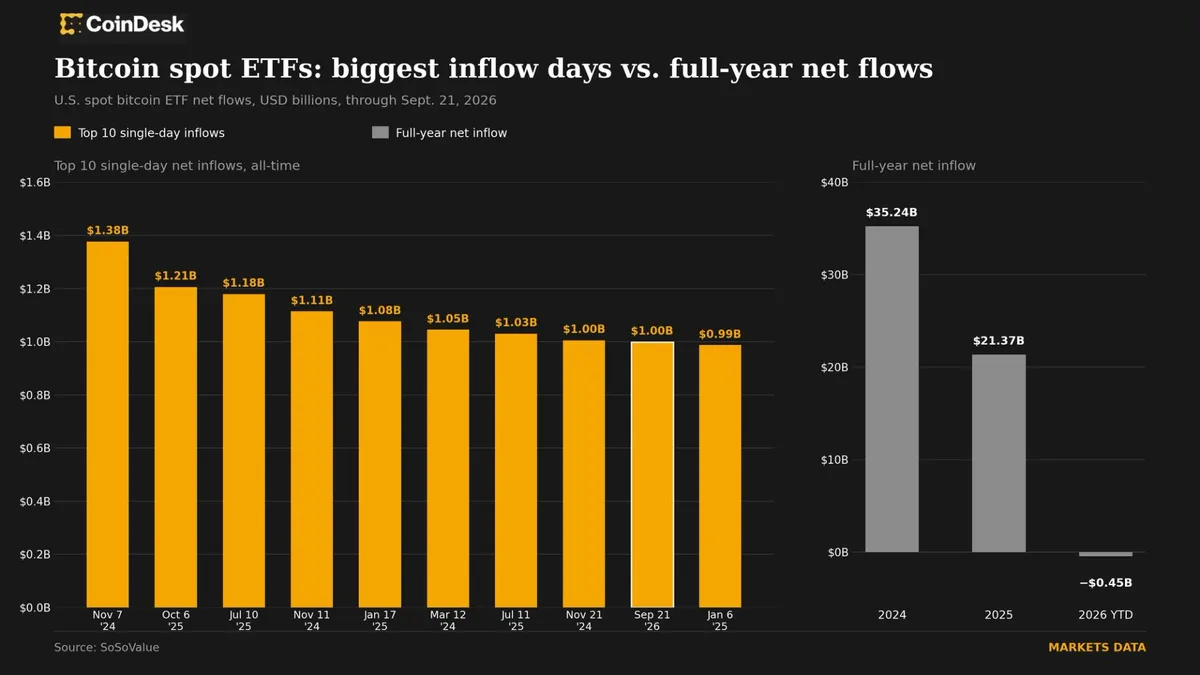
Spot bitcoin ETFs see nearly $1 billion inflow as bitcoin hits January highs

US spot Bitcoin ETFs see nearly $1 billion inflow, highest since October 2025
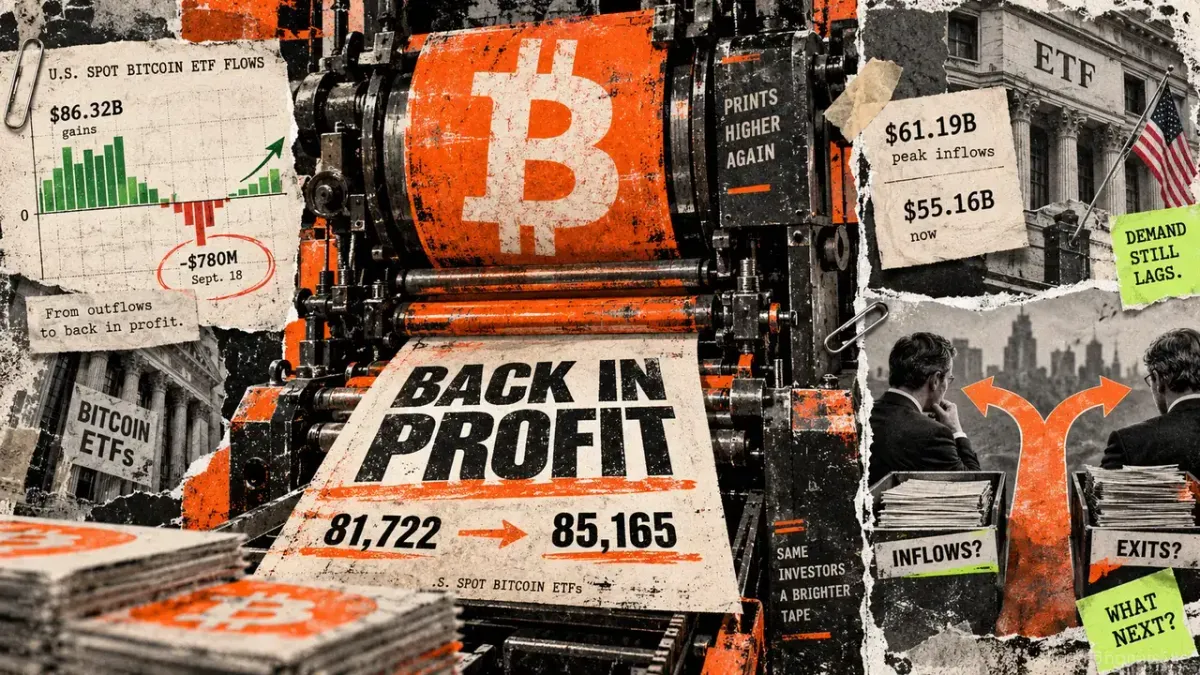
Bitcoin's rise to $86,000 restores profitability for ETF investors