Hour by Hour: How Oil fell below $100 a barrel as Bitcoin broke $71k in surreal night of after hours trading

In a remarkable turn of events, the financial markets experienced a significant shift as bitcoin surged past the $71,000 mark while crude oil prices dropped below $100 a barrel. This dramatic overnight trading session was largely influenced by geopolitical developments, particularly the announcement of a two-week ceasefire in Iran, signaled by former President Donald Trump. The reaction from traders was immediate, with both bitcoin and oil reflecting the changing sentiment in the wake of this news. It was a night where traders were not just reacting to traditional market indicators but were instead focused on a singular geopolitical pivot that reshaped the landscape for both cryptocurrencies and commodities.
To understand the context surrounding this unprecedented trading night, we need to look at the broader narrative involving oil prices and the cryptocurrency market. For some time, oil prices had been fluctuating due to geopolitical tensions, particularly in the Middle East. Meanwhile, bitcoin had been experiencing its own volatility, driven by factors such as regulatory developments and macroeconomic conditions. However, the sudden announcement of a ceasefire shifted investor focus, causing a repricing of assets across the board. The intertwining of oil and cryptocurrency markets has been notable, especially as both are often seen as reflections of broader economic sentiment and risk appetite.
This convergence in market movements–where oil and bitcoin seem to be reacting to the same geopolitical developments–raises important questions about the interconnectedness of various asset classes. The drop in oil prices can be seen as a relief for many investors, particularly those concerned about inflationary pressures stemming from high energy costs. Conversely, bitcoin's rise highlights its growing perception as a safe haven or alternative asset in times of geopolitical uncertainty. This dual movement suggests that traders are not merely viewing these assets in isolation but rather as part of a larger tapestry of economic and political narratives.
Industry experts have begun to weigh in on this unusual market behavior. Some analysts suggest that this could signal a more fluid relationship between traditional commodities and cryptocurrencies, as investors increasingly look for hedges against volatility. Others caution that while this night of trading may reflect a temporary alignment of interests, it does not necessarily indicate a lasting trend. The sentiment among traders seems to reflect a cautious optimism, with many eager to see how this might influence future trading sessions and broader market dynamics.
Looking ahead, the key question remains: will this alignment in market behavior persist, or will it revert to the more traditional separations we have seen in the past? As the geopolitical landscape continues to evolve, investors will be watching closely for further developments that could lead to similar trading phenomena. It will be crucial for market participants to stay informed about both macroeconomic indicators and geopolitical events, as these factors will undoubtedly play a significant role in shaping future price movements in both oil and cryptocurrency markets.

CoinMagnetic Team
Crypto investors since 2017. We trade with our own money and test every exchange ourselves.
Updated: April 2026
From our insights:
Related news

GameStop possibly forfeits $31 million in Bitcoin gains from options trade

Researchers trace 1.1 million Bitcoin to early miner but Satoshi's identity remains unclear

Bitcoin, ether perpetual volumes on Kalshi are dominated by an unusual, repetitive trade, data shows
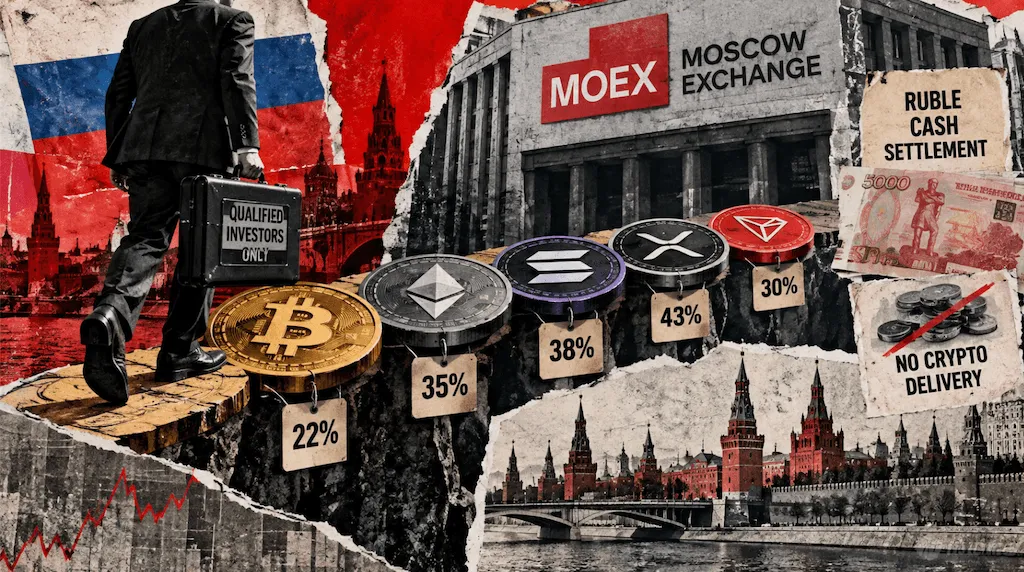
Moscow Exchange introduces 5 crypto perpetual futures amid 600 billion ruble demand

SoFi begins stablecoin settlement on Mastercard network for program expected to exceed $25 billion in annualized volume