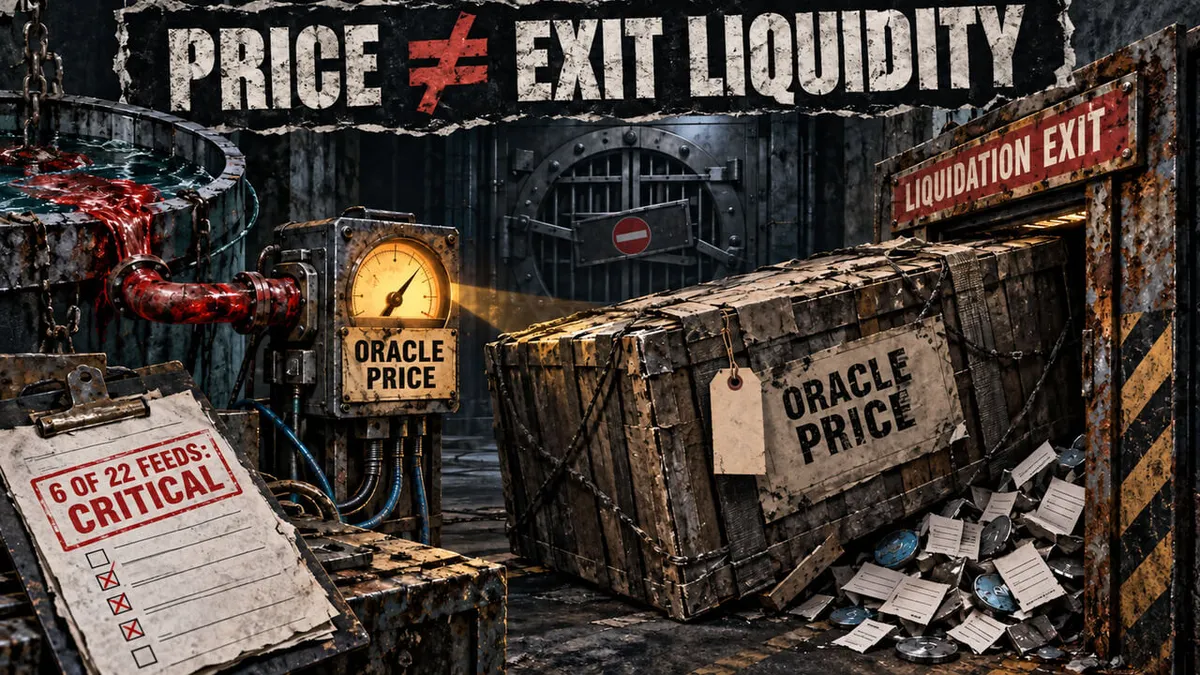
DeFi is optimizing for gas, not for markets
Recent discussions in the decentralized finance (DeFi) space have highlighted a significant trend: the prioritization of gas efficiency over market resilience. As blockchain networks continue to evolve, many DeFi protocols are optimizing their operations to minimize transaction costs–essentially the gas fees–rather than focusing on designing systems that can withstand market volatility. This shift in focus has raised concerns, as the simplified financial logic underpinning many DeFi applications may struggle when faced with unpredictable market conditions, ultimately leading to inefficiencies and potential losses for users.
Historically, DeFi has aimed to create accessible financial services that operate outside traditional banking systems, leveraging blockchain technology's transparency and security. However, as gas fees rise during periods of high network congestion, the emphasis on reducing these costs has overshadowed the need for robust mechanisms that can handle sudden market shifts. This tendency could undermine the very foundation of DeFi, which relies on trustless transactions and the ability to operate seamlessly even in turbulent times.
The implications of this trend are significant for the broader cryptocurrency market. If DeFi platforms continue to prioritize gas optimization at the expense of market resilience, it could lead to increased volatility in DeFi tokens and a lack of confidence among users. Analysts and industry experts are already voicing concerns about the sustainability of such models, emphasizing the importance of balancing cost efficiency with the need for reliability. As the market navigates these challenges, the next steps will likely involve a reevaluation of protocol designs to incorporate mechanisms that can better weather market fluctuations while still being mindful of gas costs.

CoinMagnetic Team
Crypto investors since 2017. We trade with our own money and test every exchange ourselves.
Updated: April 2026
From our insights:
Related news
Arch Lending eyes tokenized stocks as next collateral market
Bitcoin rallies alongside record Nasdaq as oil prices decline on Iran prospects

European central banks push to expand stablecoin yield ban to crypto lending and staking

CME introduces Bitcoin Cash and Uniswap futures amid growing demand for crypto derivatives

Solstice CEO predicts less volatile future for crypto cycles amid liquidity growth