Crypto snoozes into Good Friday as oil and macro stir: Crypto Daybook Americas

On April 3, 2026, the cryptocurrency market is experiencing a notable lull, coinciding with the observance of Good Friday. Trading volumes have dipped significantly as many investors and traders take a break for the holiday. This pause in activity comes amidst a backdrop of fluctuating oil prices and broader macroeconomic factors that are influencing market sentiment. The subdued trading environment has left major cryptocurrencies like Bitcoin and Ethereum hovering at relatively stable price points, with little volatility expected in the short term.
To understand this current situation, we need to look at the historical context of Good Friday in the financial markets. Traditionally, many traders and investors take this day off, resulting in lower trading volumes across various asset classes, including crypto. Additionally, the ongoing macroeconomic conditions, such as inflation rates, interest rate decisions by central banks, and geopolitical tensions, have contributed to a cautious approach among market participants. As they weigh the potential impacts of these factors, many are opting to sit on the sidelines for the time being.
This moment of inactivity in the crypto market is significant for several reasons. First, it reflects the broader trends in the financial ecosystem, where macroeconomic influences are increasingly dictating investor behavior. The interplay between oil prices and cryptocurrency valuations is particularly noteworthy, as fluctuations in oil can impact inflation and, subsequently, central bank policies. Therefore, how these macroeconomic developments unfold in the coming days will be crucial for crypto market dynamics.
Industry experts have given mixed reactions to this current state of affairs. Some view the low activity as a natural consequence of the holiday and expect a rebound as traders return to their desks next week. Others express concern that the prolonged period of low volatility could signal a lack of conviction among investors. This sentiment has led to discussions about the potential for a more significant price movement once market participants re-engage, raising questions about whether the next trend will be bullish or bearish.
Looking ahead, the crypto market anticipates a potential shift as the holiday weekend wraps up. The return of traders and an anticipated influx of market activity could lead to increased volatility. Additionally, any developments in the macroeconomic landscape, especially concerning oil prices and economic indicators, may serve as catalysts for price movements in the crypto space. As we move through April, all eyes will be on how these intertwining factors play out and shape the future of cryptocurrency trading.

CoinMagnetic Team
Crypto investors since 2017. We trade with our own money and test every exchange ourselves.
Updated: April 2026
From our insights:
Related news
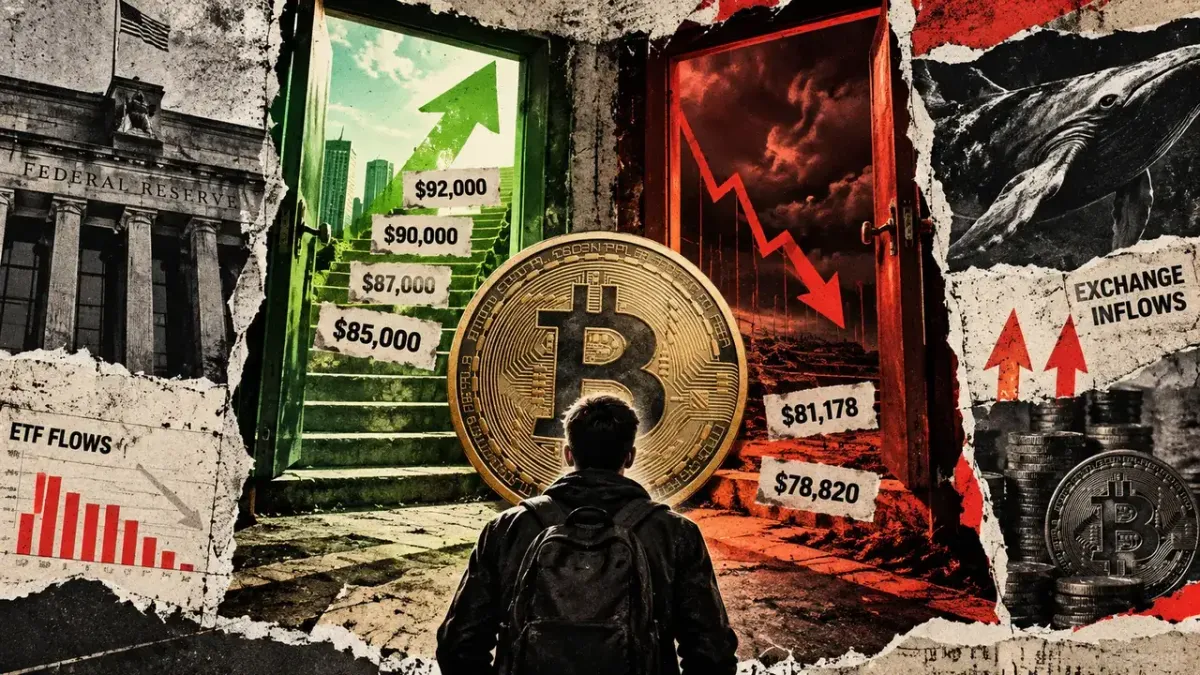
Bitcoin's weekly close above $81,000 signals potential rise to $90,000

Elon Musk's X integrates bitcoin trading options for U.S. users
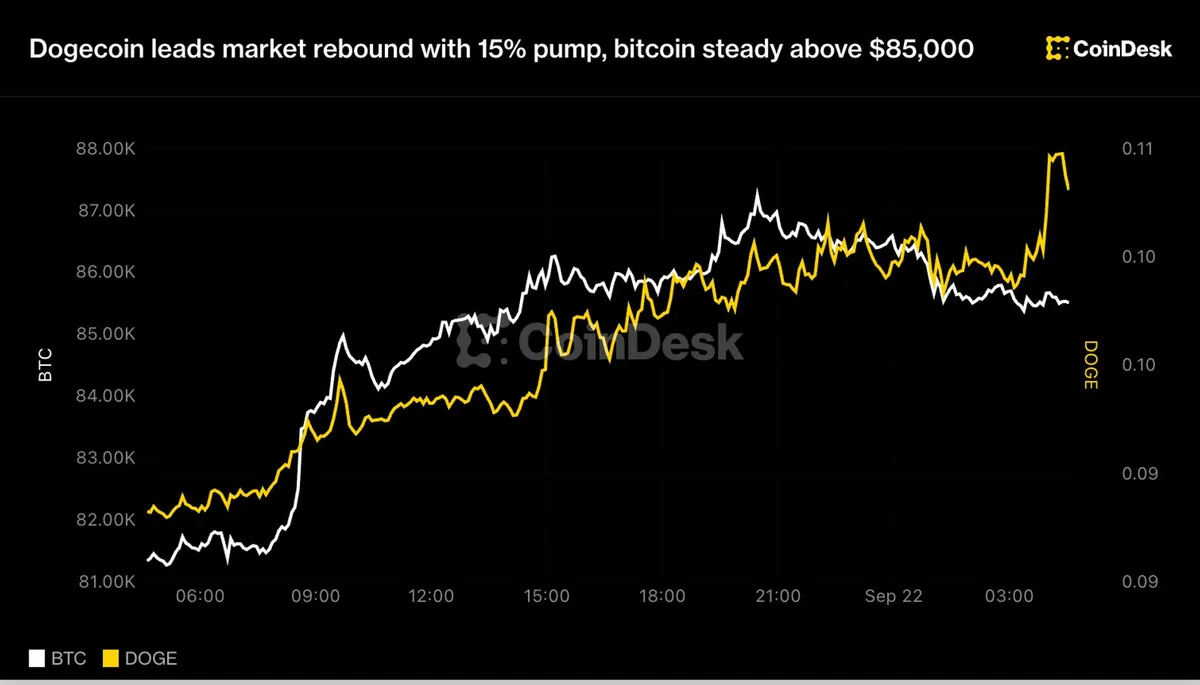
Dogecoin's 15% surge drives market recovery as bitcoin stabilizes above $85,000

Cardano adds tools for AI agent payments, joining Solana and XRP Ledger

Trueo prediction market moves from Base to Ethereum