Crypto Long & Short: Governance is the real Layer 1

In this week's edition of the Crypto Long & Short Newsletter, Nilmini Rubin delves into the significant challenge of establishing a hybrid governance structure that effectively integrates both crypto and traditional financial markets. As the lines blur between these sectors, the need for a cohesive governance framework becomes increasingly apparent. Rubin emphasizes that achieving this unity is crucial for fostering trust and ensuring compliance across both realms. Additionally, Meredith Fitzpatrick highlights the pressing need for financial institutions to reassess their approach to anti-money laundering (AML) risks as the convergence of cryptocurrency and traditional finance accelerates.
This discussion is particularly relevant for the market, as a well-defined governance structure could pave the way for greater regulatory clarity and institutional adoption of digital assets. The push for a shared governance model signals a recognition of the intertwined nature of these financial ecosystems, which could lead to enhanced cooperation among stakeholders. As institutions adapt to the evolving landscape, the implications for market stability and investor confidence could be profound, potentially driving further integration and innovation.
Looking ahead, it will be essential for industry participants to engage in ongoing dialogue about governance frameworks and AML strategies. As regulatory bodies begin to formulate more comprehensive guidelines, we can expect a ripple effect throughout the market. The next steps will involve collaboration between crypto advocates and traditional financial players to create a balanced approach that addresses the unique challenges posed by both sectors, ensuring a sustainable future for all involved.

CoinMagnetic Team
Crypto investors since 2017. We trade with our own money and test every exchange ourselves.
Updated: April 2026
From our insights:
Related news
Iran hints at reopening Strait of Hormuz, WTI oil drops to $89

New altseason signal emerges as Bitcoin market cap stays under 60%

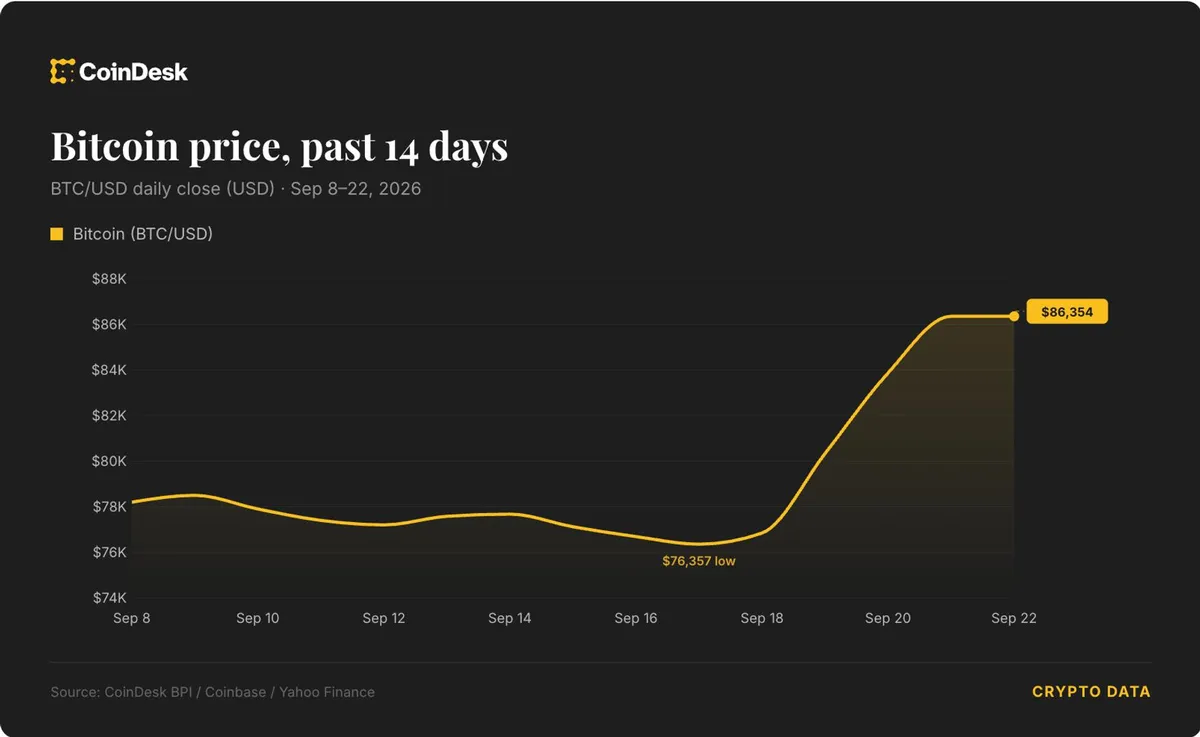
Bitcoin nears $86,000 as crypto market cap surpasses $3 trillion

Bitcoin's weekly close above $81,000 signals potential rise to $90,000

Elon Musk's X integrates bitcoin trading options for U.S. users