CFTC Settles With Former FTX Engineer for $3.7M, Closing First Individual Case

The Commodity Futures Trading Commission (CFTC) has reached a settlement with a former engineer from the collapsed cryptocurrency exchange FTX, closing the first individual case related to the company's devastating downfall. The engineer, whose expertise allowed him to build systems that facilitated the movement of billions in customer funds, has agreed to pay a settlement of $3.7 million. Notably, the CFTC has opted not to impose any civil penalties, attributing this leniency to the engineer's cooperation throughout the investigation. This resolution marks a significant milestone in the ongoing legal and regulatory scrutiny surrounding FTX and its operations.
In the wake of FTX's spectacular collapse in late 2022, the regulatory landscape for cryptocurrency exchanges has become increasingly stringent. The CFTC has been at the forefront of this shift, seeking accountability from various individuals and entities associated with FTX. This particular case involving the former engineer is pivotal, as it underscores the CFTC's commitment to pursuing accountability while also recognizing cooperation. The engineer's technical contributions to FTX's infrastructure raised questions about responsibility and oversight, making this case a focal point in understanding the overall failure of the exchange.
This settlement holds considerable implications for the broader cryptocurrency market. It illustrates a regulatory approach that balances enforcement with cooperation, potentially setting a precedent for how regulators handle similar cases in the future. By choosing not to impose a civil penalty, the CFTC might be signaling to other industry players that cooperation can lead to more favorable outcomes. This could encourage individuals in the crypto space to come forward with information about malpractices without the fear of severe repercussions, ultimately fostering a more transparent environment.
The industry reaction to the settlement has been mixed, with some experts viewing it as a pragmatic move by the CFTC, while others express concern about the implications for accountability. Industry advocates argue that leniency could undermine the seriousness of regulatory compliance, while critics contend that cooperation should not absolve individuals from the consequences of their actions, especially in cases that impact thousands of investors. The CFTC's decision has sparked discussions on the balance between punishment and collaboration in regulatory frameworks for emerging technologies.
Looking ahead, the case could set the tone for future regulatory actions concerning not only FTX-related cases but also the broader cryptocurrency ecosystem. As regulators continue to refine their approaches to enforcement, the outcomes of these settlements will likely influence how individuals and companies navigate compliance and risk management in the crypto space. The ongoing scrutiny will undoubtedly keep the industry on alert, as it grapples with the need for innovation while adhering to emerging legal standards and expectations.

CoinMagnetic Team
Crypto investors since 2017. We trade with our own money and test every exchange ourselves.
Updated: April 2026
From our insights:
Related news

21shares launches first European ETP for Zcash after US ETF debut

Bitcoin ETFs attract nearly $1B in a single day as holders regain profitability
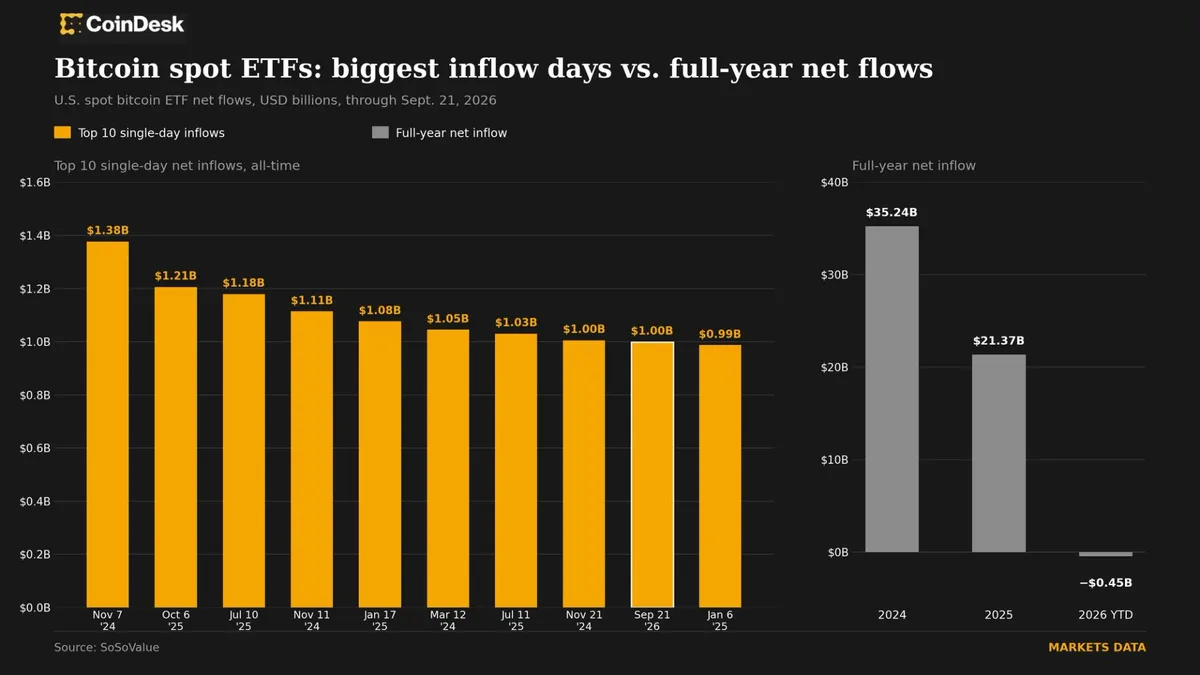
Spot bitcoin ETFs see nearly $1 billion inflow as bitcoin hits January highs

US spot Bitcoin ETFs see nearly $1 billion inflow, highest since October 2025

Bitcoin's rise to $86,000 restores profitability for ETF investors