Cardano Foundation shifts away from ADA as Bitcoin and cash take larger share of reserves

The Cardano Foundation has recently announced a significant shift in its financial strategy, revealing that it is reducing its reliance on ADA, the native cryptocurrency of the Cardano network. According to the Foundation’s latest report, Bitcoin and cash now represent a much larger portion of its reserves. This decision comes after a year marked by notable price fluctuations between ADA and other cryptocurrencies, particularly Bitcoin, which has significantly outperformed ADA in the market. The Foundation's report, titled "2025 Activity and Financial Insights," details how this realignment affects the balance sheet, indicating a strategic pivot aimed at stabilizing its financial outlook.
This transition reflects broader trends within the cryptocurrency market, where the volatility of certain altcoins has prompted many organizations to diversify their asset holdings. Historically, the Cardano Foundation has maintained a substantial amount of its reserves in ADA, closely tying its financial health to the performance of its own token. However, as the market has evolved and the price of ADA has diverged from that of Bitcoin and other assets, the Foundation has recognized the need to adapt its strategy to mitigate risk and enhance financial stability.
The implications of this shift are significant for the overall market, as it may signal a growing trend among crypto organizations to diversify their reserves. By moving away from a heavy reliance on a single asset, the Cardano Foundation aims to safeguard its financial position against the inherent volatility of cryptocurrencies. This could potentially lead to increased confidence among investors, as the Foundation's stability becomes less dependent on the fluctuating price of ADA. Furthermore, this diversification could attract new investors who may have previously hesitated due to concerns over ADA's volatility.
Industry experts have weighed in on this development, suggesting that the Cardano Foundation's move could be seen as a prudent strategy in the current market climate. Many analysts believe that by holding a more balanced portfolio that includes Bitcoin, the Foundation can better weather potential downturns in the crypto space. Some have even speculated that this shift could inspire other blockchain organizations to reassess their asset allocations, leading to a more diversified and resilient ecosystem overall.
Looking ahead, it will be interesting to see how this change impacts the Cardano Foundation's operational strategies and its engagement with the broader cryptocurrency community. As the Foundation continues to navigate its new financial landscape, stakeholders will be keen to observe the long-term effects of this diversification on its projects and initiatives. The ongoing evolution of its reserve strategy may also influence how other organizations in the sector approach their financial management, potentially setting new benchmarks for best practices in the industry.

CoinMagnetic Team
Crypto investors since 2017. We trade with our own money and test every exchange ourselves.
Updated: April 2026
From our insights:
Related news

SoFi begins stablecoin settlement on Mastercard network for program expected to exceed $25 billion in annualized volume

A $3.2 million 'bitcoin butterfly' option trade bets on $95,000 by the end of October

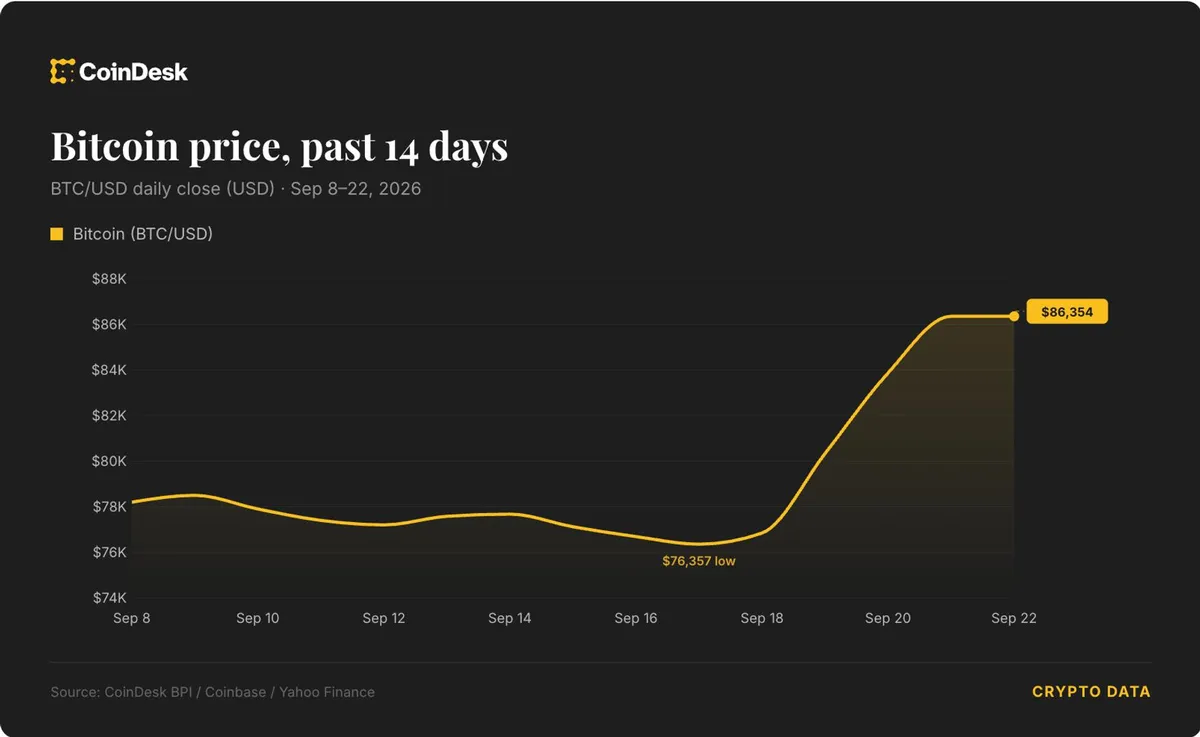
Bitcoin surges past $86,000 as $1 billion in shorts are liquidated, eyes on $90,000
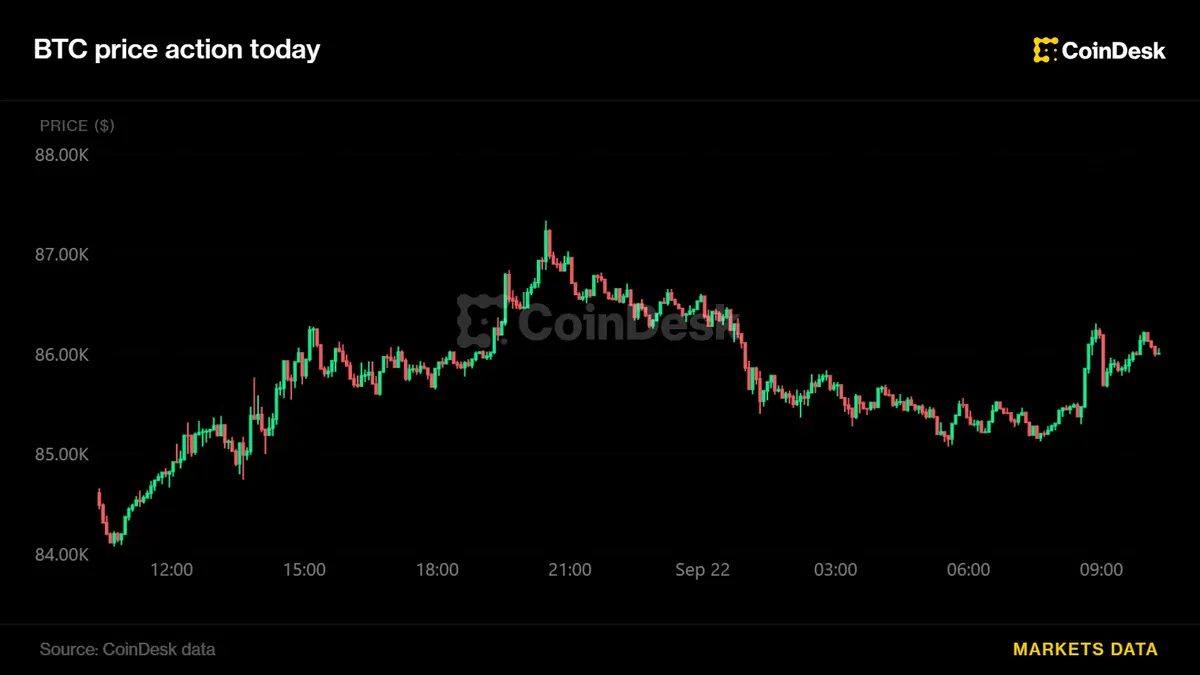
Bitcoin bounces back to $86,000 as oil prices decline and stocks rise

Prediction markets projected to reach $10 trillion by 2035, surpassing sports