Bitcoin vaults past $72,000 as U.S. stock futures surge on a two‑week U.S.–Iran ceasefire
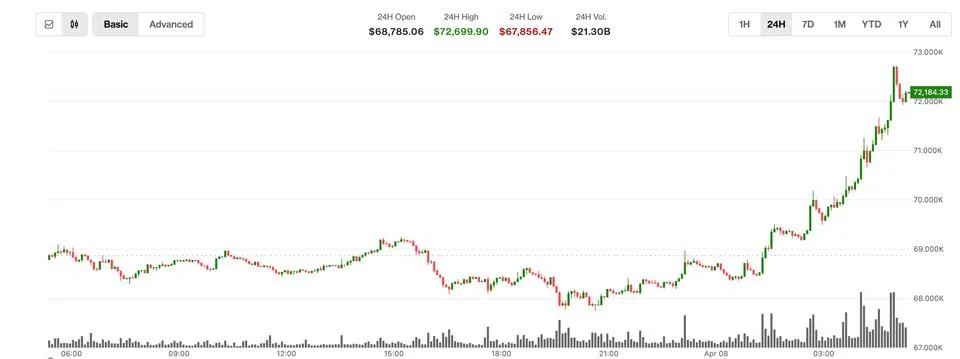
Bitcoin surged past the $72,000 mark late Tuesday, buoyed by a favorable market reaction to a two-week ceasefire agreement between the U.S. and Iran. This truce has eased geopolitical tensions, resulting in a significant rally in risk assets. Stocks soared in futures trading, and oil prices plummeted, creating a conducive environment for cryptocurrencies. The correlation between Bitcoin and traditional markets has been evident, and this latest development has once again highlighted how macroeconomic factors influence the crypto landscape.
To provide some context, the U.S.–Iran relationship has been fraught with tension for years, impacting global markets significantly. Any easing of such tensions typically leads to a surge in risk appetite among investors. In recent months, Bitcoin has often been viewed as a hedge against geopolitical uncertainty, but in this instance, it appears to be riding the coattails of a broader market rally rather than serving as a safe haven. The recent announcement has renewed optimism among investors, leading to increased trading volumes across various exchanges.
This rise in Bitcoin’s price is particularly significant as it reflects not only a recovery from recent market dips but also a shift in investor sentiment towards riskier assets. As Bitcoin continues to gain momentum, it may draw in more institutional investors, further legitimizing its place in the financial ecosystem. The dynamic relationship between cryptocurrencies and traditional markets is becoming increasingly apparent, and this rally could signal a new chapter where Bitcoin is viewed as a legitimate alternative asset class.
Industry experts have weighed in on the implications of this price surge. Many see it as a validation of Bitcoin's resilience and its potential to thrive in an environment of easing geopolitical tensions. Some analysts suggest that this event may mark a pivotal point for Bitcoin, pushing it towards new all-time highs. However, caution is advised, as the crypto market is notoriously volatile, and external factors can quickly change the landscape.
Looking ahead, the key question is whether this momentum can be sustained. As the ceasefire remains in place, investors will be keenly observing any further developments in U.S.–Iran relations and their impact on market dynamics. Additionally, Bitcoin’s performance in the coming weeks will likely depend on broader economic indicators, including inflation rates and interest rate decisions. As such, all eyes will be on the unfolding geopolitical scene and its ramifications for both traditional and cryptocurrency markets.

CoinMagnetic Team
Crypto investors since 2017. We trade with our own money and test every exchange ourselves.
Updated: April 2026
From our insights:
Related news

SoFi begins stablecoin settlement on Mastercard network for program expected to exceed $25 billion in annualized volume
A $3.2 million 'bitcoin butterfly' option trade bets on $95,000 by the end of October
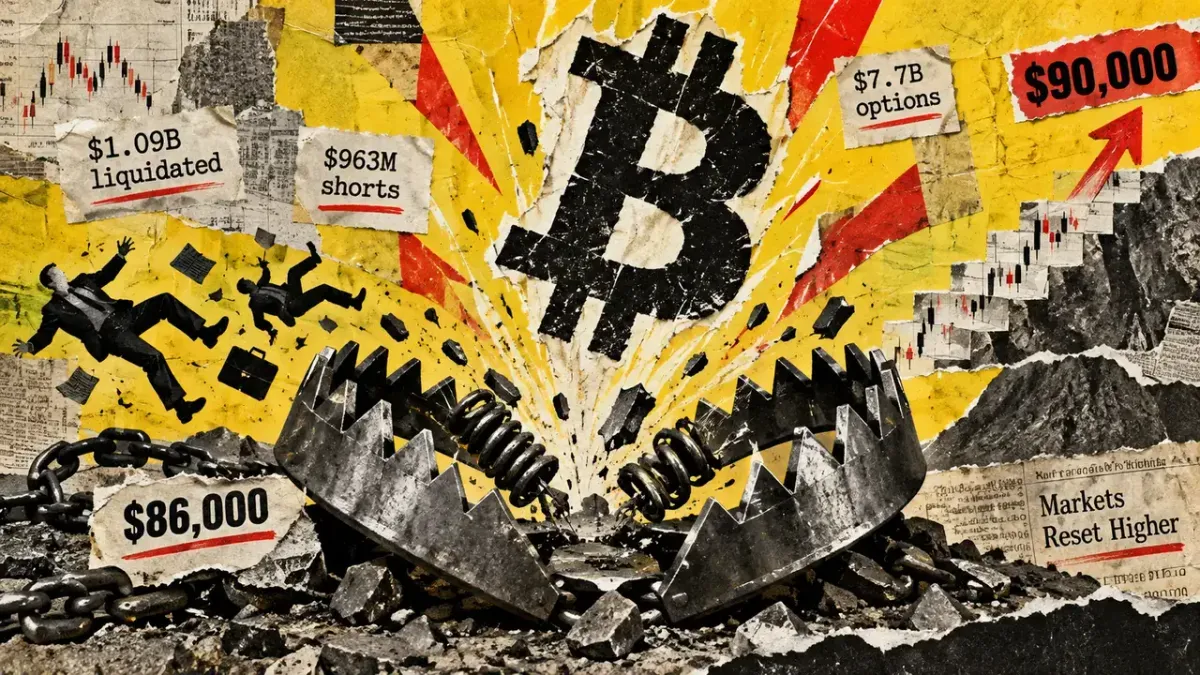
Bitcoin surges past $86,000 as $1 billion in shorts are liquidated, eyes on $90,000
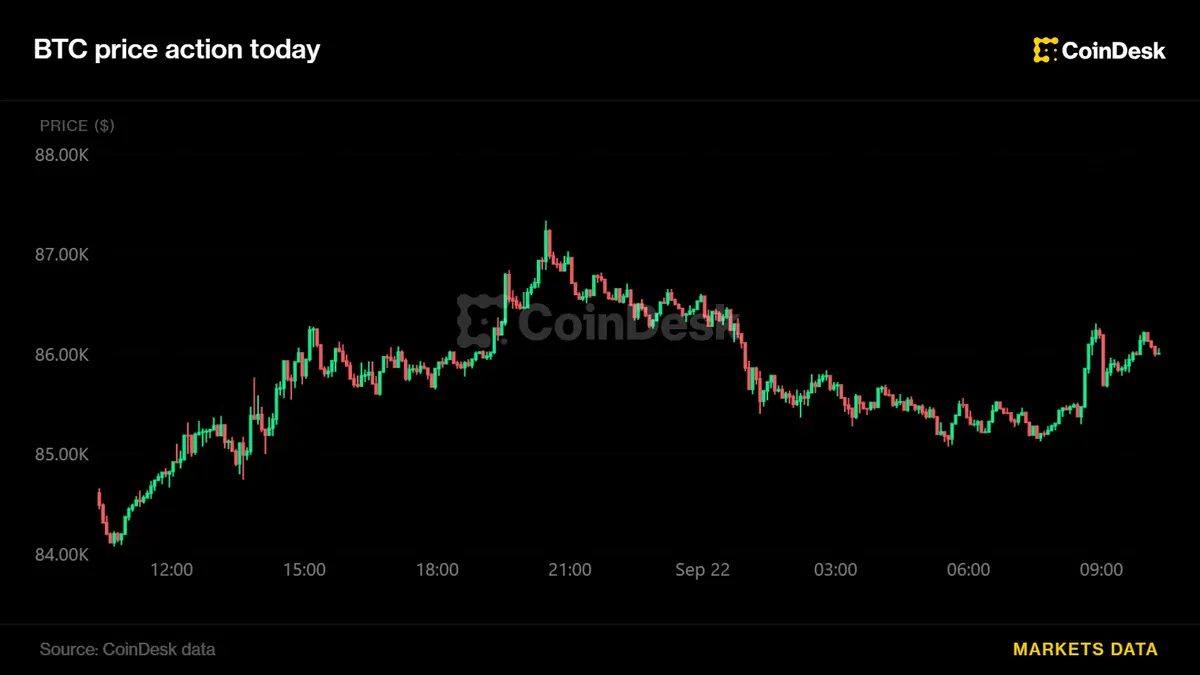
Bitcoin bounces back to $86,000 as oil prices decline and stocks rise

Prediction markets projected to reach $10 trillion by 2035, surpassing sports