Bitcoin under $71,000, ETH, SOL, XRP drop as Iran ceasefire frays within 48 hours of being signed
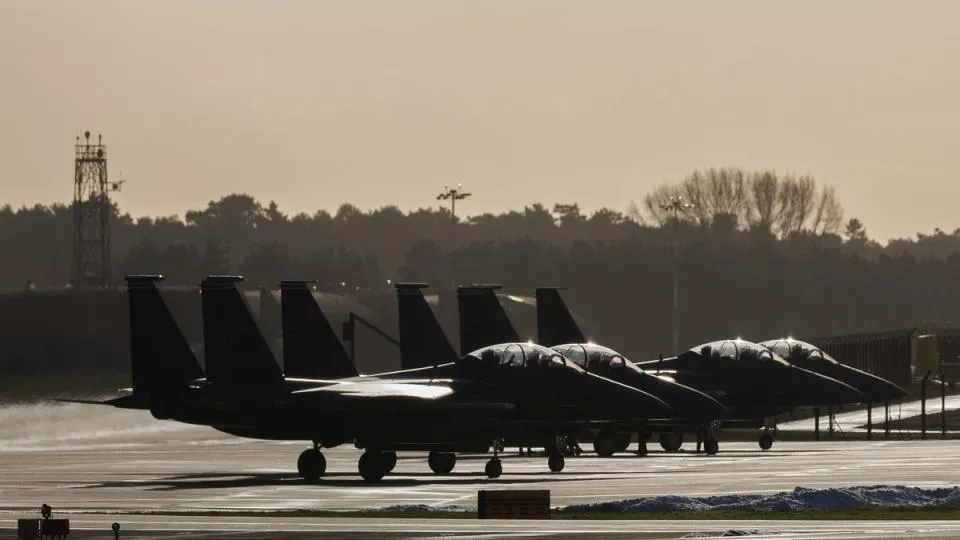
Bitcoin has seen a significant dip, falling below the $71,000 mark, alongside notable declines in Ethereum, Solana, and XRP. The downturn coincides with rising tensions in the Middle East, particularly following Iran's announcement that three clauses of the recently signed ceasefire have been violated. This development has not only rattled traders but also raised concerns about regional stability, leading to a rebound in oil prices approaching $97 per barrel. The situation in the Strait of Hormuz, a critical chokepoint for global oil shipments, remains precarious as it is effectively closed despite the initial agreement.
To understand the implications of this situation, it’s essential to consider the geopolitical context surrounding the ceasefire. The agreement was initially seen as a positive step toward reducing tensions in the region, which have been a significant factor in market volatility. However, Iran's claims of breaches in the ceasefire highlight the fragility of such agreements in a geopolitical landscape characterized by mistrust and ongoing conflict. The sudden deterioration of the ceasefire not only impacts oil markets but also has ripple effects across various asset classes, including cryptocurrencies.
The cryptocurrency market is particularly sensitive to geopolitical developments. The decline in Bitcoin and other major cryptocurrencies reflects a broader risk-off sentiment among investors. When tensions rise in the Middle East, traders often seek to liquidate riskier assets, pushing prices down. In this context, the failure of a ceasefire can lead to increased volatility not just in traditional markets but also in crypto, as traders react to shifting sentiments and potential impacts on global liquidity and economic stability.
Industry experts have weighed in on the situation, noting that while the immediate impact on cryptocurrency prices is evident, the longer-term implications may be more complex. Some analysts suggest that a sustained period of geopolitical instability could lead to increased interest in cryptocurrencies as alternative stores of value. Others caution that continued volatility in traditional markets could overshadow the potential benefits of crypto adoption, leading to further price corrections in the short term.
Looking ahead, the situation in Iran will likely remain a focal point for traders and investors. The potential for further escalations or a return to a more stable environment could influence market sentiment in the coming days. Additionally, with oil prices on the rise and supply chains under pressure, the interconnectedness of global markets means that developments in one area will continue to impact others. As such, both crypto and traditional investors will be keeping a close eye on how the situation unfolds and its implications for their portfolios.

CoinMagnetic Team
Crypto investors since 2017. We trade with our own money and test every exchange ourselves.
Updated: April 2026
From our insights:
Related news
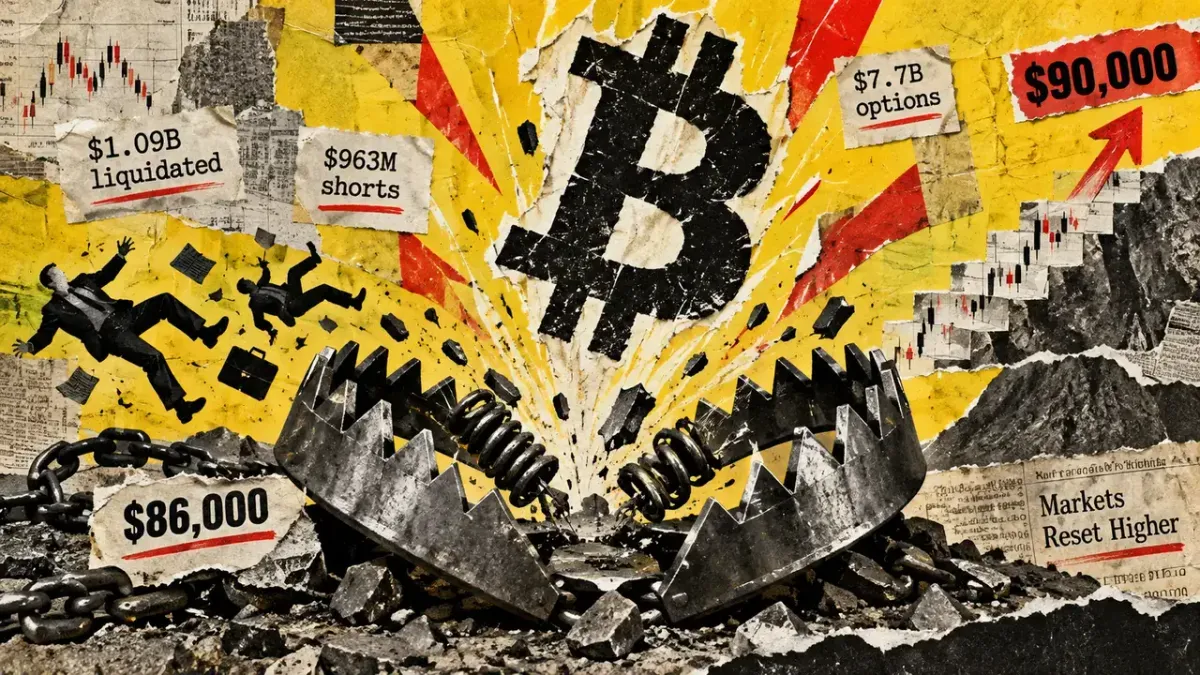
Bitcoin surges past $86,000 as $1 billion in shorts are liquidated, eyes on $90,000
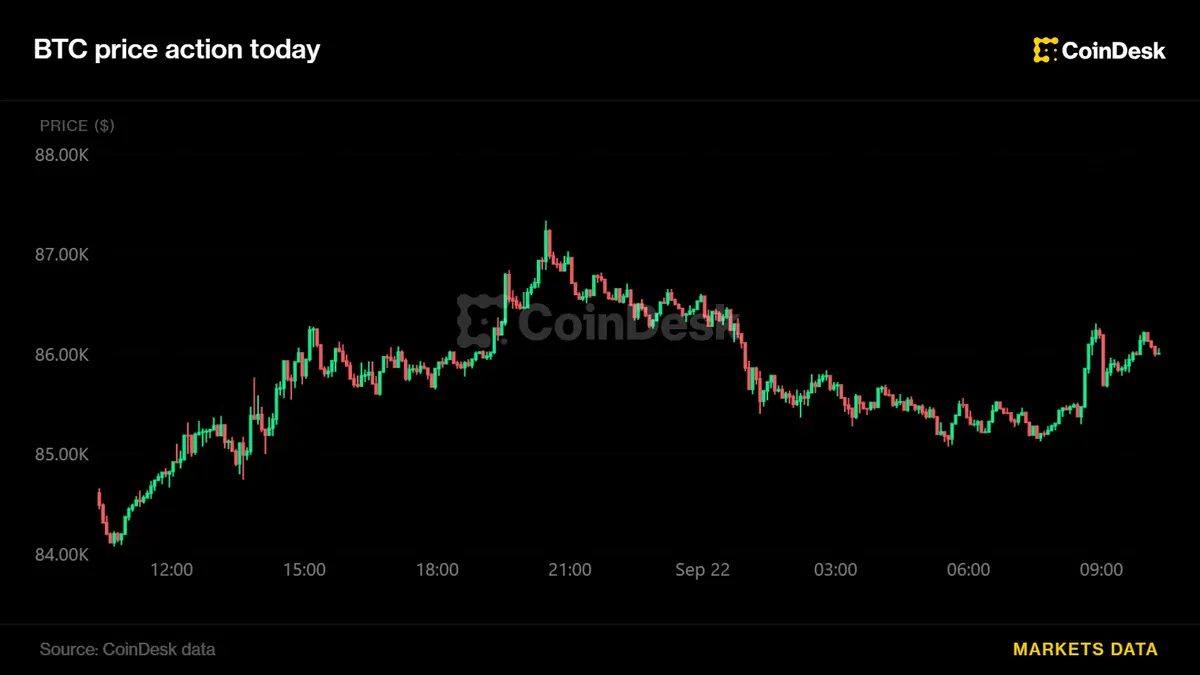
Bitcoin bounces back to $86,000 as oil prices decline and stocks rise

Prediction markets projected to reach $10 trillion by 2035, surpassing sports
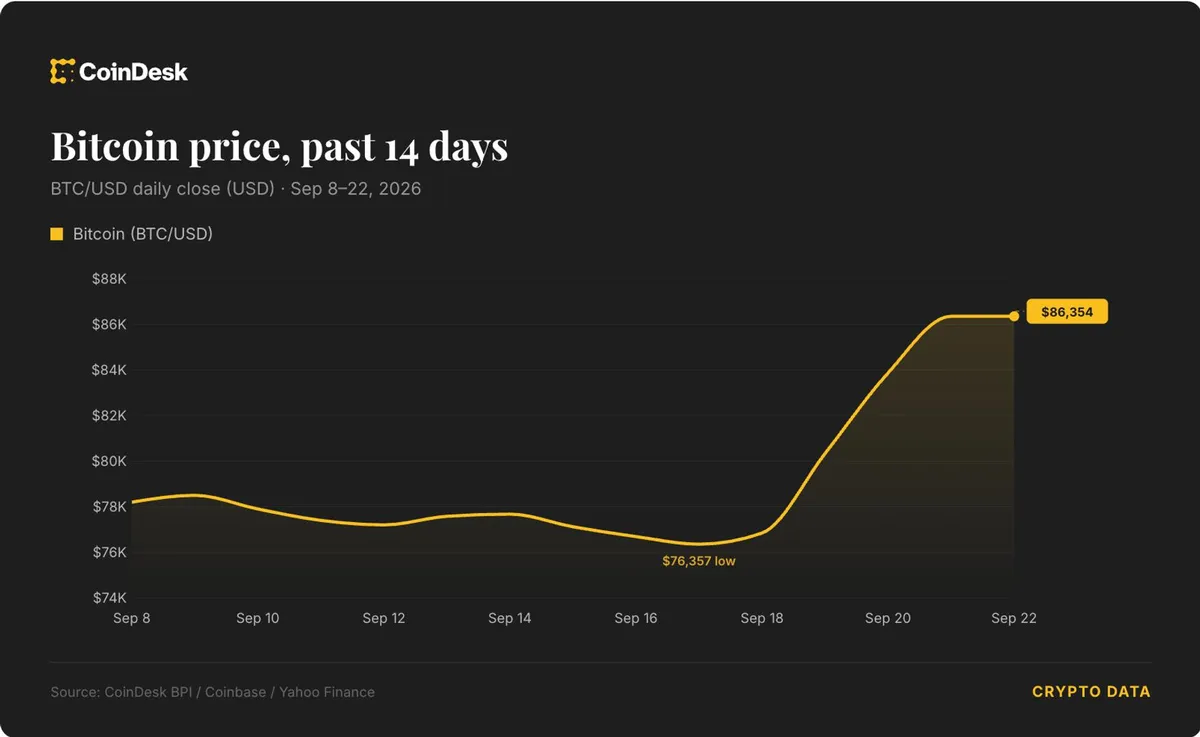
Iran hints at reopening Strait of Hormuz, WTI oil drops to $89
New altseason signal emerges as Bitcoin market cap stays under 60%