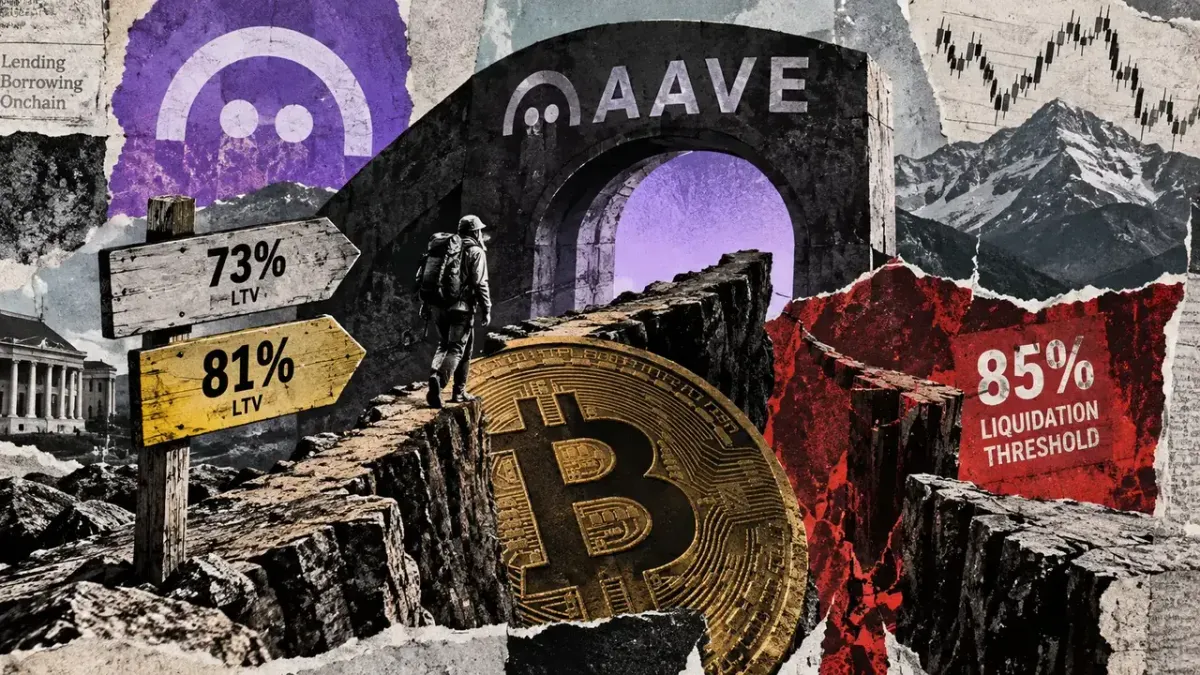
Bitcoin Miner MARA Slashes 15% of Workforce After Selling $1.1 Billion in BTC

MARA, a prominent publicly traded Bitcoin mining company, has made headlines this week by announcing a significant workforce reduction of 15%. This decision comes on the heels of the company selling $1.1 billion worth of Bitcoin. The sale is part of a strategic shift towards bolstering its capabilities in the artificial intelligence sector, which MARA sees as a promising growth avenue. The move has sparked discussions about the evolving priorities within the cryptocurrency space, particularly as companies look to diversify their operations in a rapidly changing market.
To understand this decision, it is essential to consider the broader context of the cryptocurrency industry. Bitcoin mining has been under increasing scrutiny due to rising energy costs, regulatory pressures, and fluctuating cryptocurrency prices. As a result, many mining companies have been forced to adapt or face financial difficulties. MARA's recent decision to pivot towards AI reflects a growing trend where companies are seeking to leverage their technological infrastructure in new ways, aiming to stay competitive as the market matures. The sale of such a substantial amount of Bitcoin also highlights the company's need to generate capital quickly amidst these challenging conditions.
The implications of MARA's workforce reduction and strategic shift are significant for the market. Firstly, it indicates a potential trend among Bitcoin mining firms where traditional operations may no longer be sufficient for survival. As companies like MARA explore AI and other technologies, this could reshape the competitive landscape of the cryptocurrency sector. Investors may also interpret this move as a sign of confidence in the AI space, potentially prompting other firms to follow suit. The market's reaction may be closely tied to how successful MARA is in its transition and whether it can create new revenue streams that offset the volatility of Bitcoin mining.
Industry experts have weighed in on MARA's recent developments, with many acknowledging the necessity of diversification in the current economic climate. Some analysts argue that while the immediate impact of workforce cuts can be alarming, they may ultimately position the company for long-term success if it can effectively integrate AI into its operations. Others caution that the mining sector's future remains uncertain, especially with technological advancements leading to increased competition and regulatory challenges. The balance between AI investment and traditional mining operations will be crucial in determining MARA's trajectory moving forward.
Looking ahead, the next steps for MARA could involve not only the effective implementation of AI technologies but also a careful evaluation of its remaining workforce's skills and capabilities. As the company navigates this transitional phase, it will be vital for them to communicate a clear vision to employees and investors alike. The success of this pivot will likely influence other mining companies and set a precedent for how the industry adapts to changing market dynamics. It will be interesting to see how MARA's strategy unfolds and what it means for the future of Bitcoin mining and its intersection with emerging technologies like artificial intelligence.

CoinMagnetic Team
Crypto investors since 2017. We trade with our own money and test every exchange ourselves.
Updated: April 2026
From our insights:
Related news
OpenAI cuts prices 50% on mid-tier models as Anthropic unveils Claude Opus 5.5
Bernstein revises prediction markets to $10 trillion by 2035, up from $1 trillion

New Fed data reveals potential dangers in Bitcoin's rally
Anthropic’s New Claude Opus 5.5 Matches Fable at 60% the Price
Elon Musk's influence drives Dogecoin to highest price in months