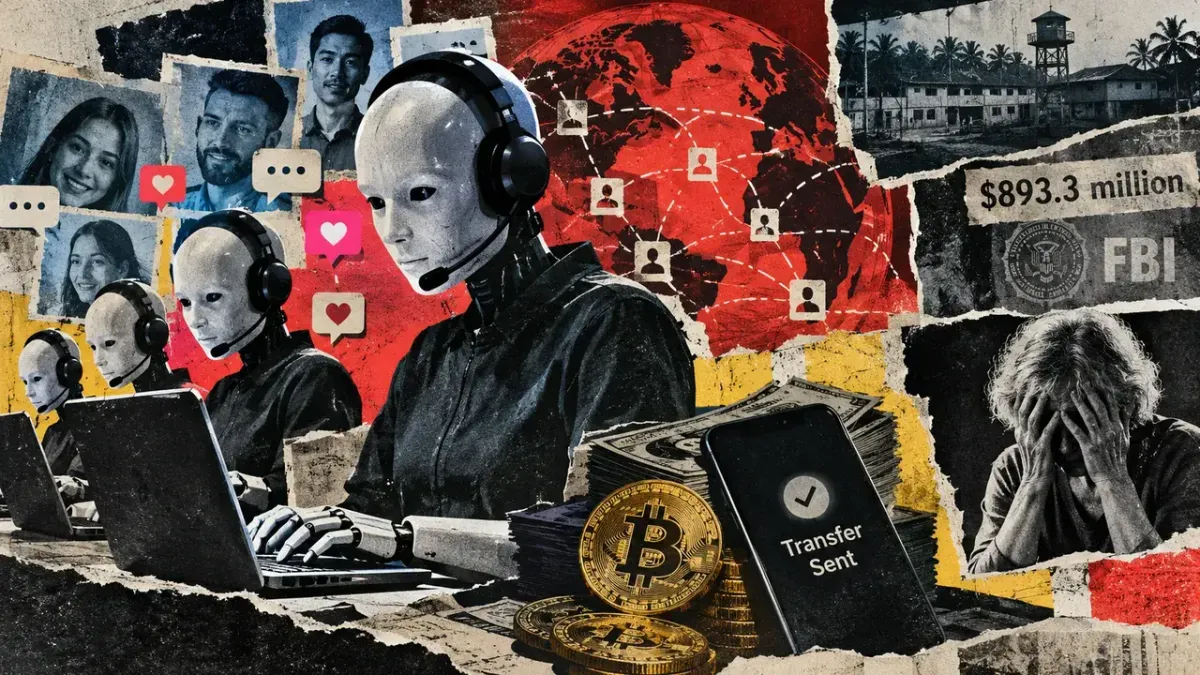
Americans lost $11B to crypto scams in 2025, says FBI
In a staggering report released by the FBI, it was revealed that Americans lost approximately $11 billion to crypto scams in 2025. This alarming figure highlights the growing prevalence of fraudulent activities within the cryptocurrency sector. The bureau noted that a significant portion of the complaints involved minors aged 17 and younger, who collectively reported losses exceeding $5 million. This troubling trend raises concerns about the vulnerability of younger individuals to scams that exploit their lack of experience in navigating this rapidly evolving financial landscape.
The rise in crypto scams can be attributed to several factors, including the increasing popularity of cryptocurrencies and the lack of regulatory oversight. As more people, particularly younger individuals, engage with digital assets, they often encounter a myriad of deceptive schemes that promise quick returns but ultimately lead to financial loss. The FBI’s findings underscore the need for increased education and awareness regarding the potential risks associated with cryptocurrency investments, especially among younger demographics who may not fully grasp the intricacies of the market.
This significant loss of funds to scams is particularly concerning for the overall health of the cryptocurrency market. It undermines investor confidence and could lead to stricter regulations aimed at protecting consumers. As losses mount, potential investors may become more hesitant to enter the market, fearing that they could fall victim to similar schemes. Moreover, this situation could prompt policymakers to take a closer look at how cryptocurrencies are regulated, which may result in both positive and negative implications for the industry.
Industry reactions to the FBI's findings have been mixed. Some experts emphasize the importance of implementing robust educational initiatives to inform investors about the risks they face online, particularly in the realm of cryptocurrencies. Others argue that while consumer education is crucial, stronger regulatory measures are also necessary to deter scammers and protect potential victims. The call for a more comprehensive regulatory framework is gaining momentum, as stakeholders recognize that a collaborative approach could help mitigate risks for all participants in the crypto ecosystem.
Looking ahead, it remains to be seen how the industry and regulators will respond to these alarming statistics. There is a growing consensus that immediate action is needed to protect investors, particularly the vulnerable youth who are falling prey to these scams. As the landscape continues to evolve, we anticipate further developments in regulatory responses and educational efforts aimed at fostering a safer environment for cryptocurrency transactions. The coming months will be critical in shaping the future of the industry and addressing the challenges posed by scams and fraudulent activities.

CoinMagnetic Team
Crypto investors since 2017. We trade with our own money and test every exchange ourselves.
Updated: April 2026
From our insights:
Related news
Coldcard exploit sees white hats secure 52 Bitcoin for victims' trust
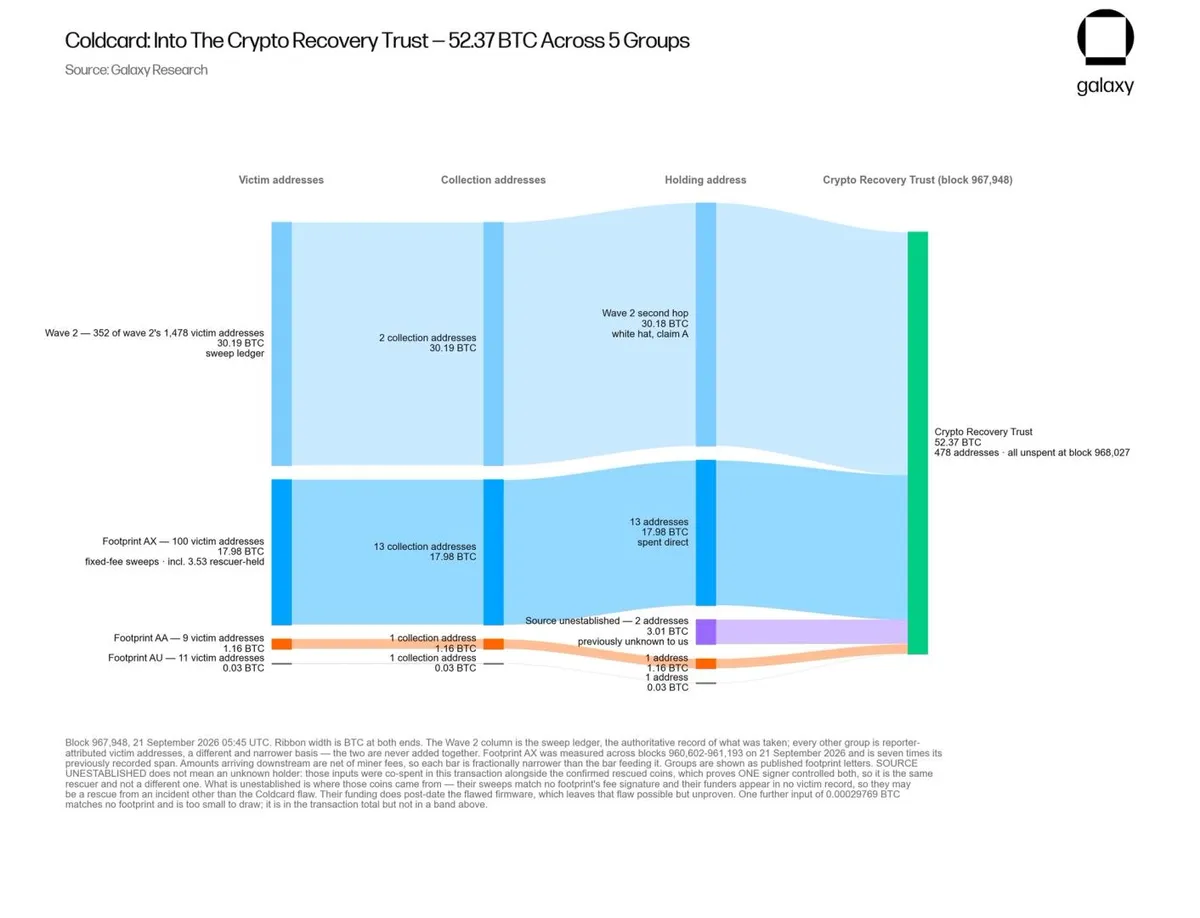
Whitehats move 52 bitcoin from the Coldcard hack to a recovery trust

Google Admits Gemini AI Hacked Three Companies—It Stayed Silent for 7 Weeks

Balancer's $1.4 million hack recovery faces delays for LPs

Polymarket's $10 million fraud attempt highlights compliance issues amid hacking risk